


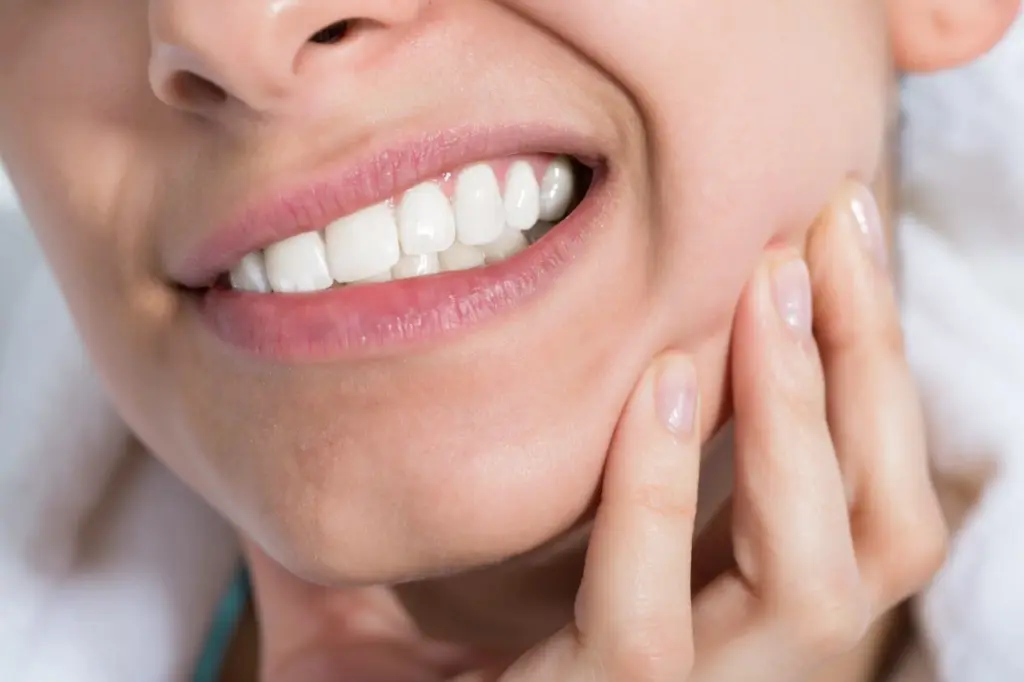
Having brittle teeth can be a serious dental concern, as the chipping, cracking, or breaking of the teeth can cause discomfort and lead to more complex dental issues if not addressed to avoid further complications that may arise later. Besides the possible discomfort one can experience due to brittle teeth, it is best that people know what could possibly be the cause of them.
Knowing how one can avoid brittle teeth and their associated issues is very important in improving and maintaining better oral health and general well-being. Here’s a look at 5 main reasons your teeth may become brittle and what you can do to prevent them to avoid the negative effects associated with these causes of brittle teeth.
1. Poor Oral Hygiene Habits
Neglecting to brush and floss regularly can lead to the build-up of plaque and tartar on the teeth and which the bacteria in your mouth feed on, therefore making these deposits weaken tooth enamel over time, thus making your teeth even more susceptible to brittleness. These bacteria in your mouth produce acids that can cause you health problems.
The acids not only erode enamel, but they can also lead to small cracks and fractures in your teeth. Certainly, through your daily routine, as you brush at least twice a day, floss, and use fluoride toothpaste should give yourself the assurance that you are avoiding the most harmful effects resulting from poor oral hygiene and at the same time you are preventing enamel from demineralization.
What you can do: Keep up with your oral hygiene by brushing your teeth twice a day, flossing regularly, and using fluoride toothpaste to strengthen your teeth enamel.
2. Aging and Wear and Tear
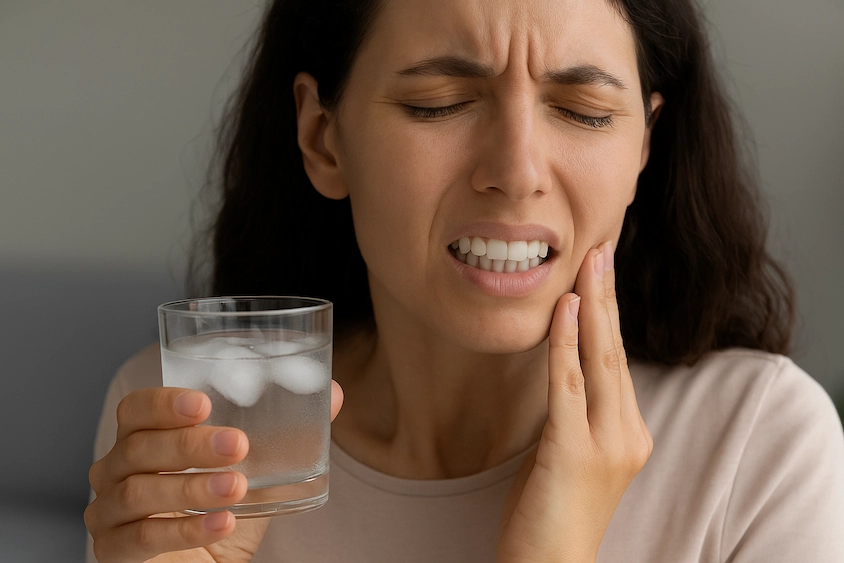
As you get older, it is a known fact that the natural wear and tear of one’s teeth could result in them losing strength, which thus predisposes them to quite adverse effects. The enamel, which is basically the hard outer layer of your teeth, normally gets thinner as you age, with the result that the teeth become more prone to breaking or chipping. This process is known as wear and tear due to years of chewing and biting that are common to most people, which could lead to minor fractures that could complicate matters as they could accumulate over time, thus causing the teeth to be weak and brittle. However, early detection could help in treating the conditions before they become severe, thus avoiding the need for major dental surgery.
What you can do: Regular dental check-ups can help detect early signs of wear; maintain a healthy diet, and avoid excessive grinding to minimize further damage.
3. Dietary Deficiencies
A diet that is lacking essential vitamins and minerals could lead to serious deterioration of the quality of the teeth, such that it is advisable to improve one’s diet to be able to reverse the tendency to brittle teeth. For instance, deficiencies in calcium and vitamin D could deteriorate the enamel, thus making the teeth weak and brittle; therefore, addressing the deficiency with a nutritious and well-balanced diet, especially one rich in these two nutrients, could ensure healthy and strong teeth.
This should be taken seriously as the body does not solely require a certain nutritional diet but rather needs a whole food diet, including cruciferous vegetables and complex starch carbohydrates, which come from processed food and junk, such that the body will be used well. On top of that, it is also vital that one makes sure their body receives the basic necessary nutrients that are related to the health of the mouth and especially the teeth in order to prevent the occurrence of fractures and cavities, which one should always try to avoid.
What you can do: The intake of foods rich in calcium and vitamin D should be a part of your diet, and if you have a suspicion of deficiency, you should seek the advice of a healthcare provider to maintain vibrant teeth.
4. Teeth Grinding (Bruxism)
Teeth grinding is one thing that shouldn’t be left untreated. The main issue with this dangerous habit of grinding your teeth either inadvertently or during the night is that it can, over time, create a significant impact on your tooth structure. The outer layer of the teeth is composed of enamel, which is the hardest tissue in the human body, and continuous friction from bruxism may lead to the wearing down of the said enamel and create cracks and chips in your teeth. When the condition is not treated in due course, bruxism will lead to a gradual collapse of your dentition, rendering even the most resistant teeth helpless.
What you can do: If you are a nighttime tooth grinder, you can have protective devices, having been custom-made night guards, fitted specifically for you for the protection of your teeth. In addition, it will also help improve sleep quality and get rid of these bad habits. Techniques aimed at stress management, like counseling, yoga, and hands-on therapy, have been recommended for those who suffer from this tendency to clench their jaws the whole day and engage in teeth-grinding activities at night.
5. Medical Conditions and Medications
Some medical problems or medications can cause the hardness and density of your teeth to deteriorate. One common health issue is the eating disorder called bulimia, where, over time, there is a constant vomiting cycle that exposes your teeth to a significant amount of acid. Another common health problem is acid reflux, which also causes the same damage to your teeth. In addition, certain medications such as antidepressants and antihistamines decrease saliva’s blood and the natural “shield” of teeth.
What you can do: If you’re on medication causing dry mouth or acid reflux, it’s essential to discuss this with your dentist to find solutions. You also have to drink plenty of water throughout the day so as to have a well-hydrated mouth; however, there are medications in the form of spray or gel that have artificial saliva that people can use to supplement their body’s natural moisture.
Treatment Options at Lema Dental Clinic
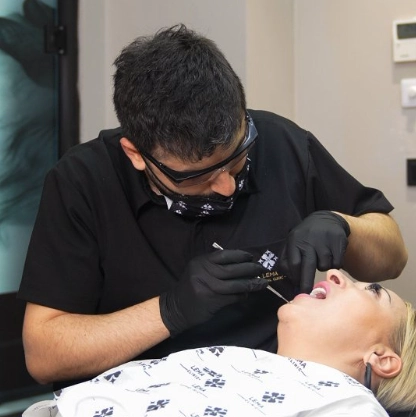
Lema Dental Clinic provides numerous treatment options to help restore the old shine of your teeth that are brittle and also to improve their appearance. The competent staff members with their skills and knowledge will offer you an exclusive care that is based on your individual needs. Just to name a few treatments for the brittle teeth are:
- Dental Veneers: Veneers are just like your natural teeth in size and shape. They are porous, and the color is completely adjusted to your existing teeth. These can be utilized even in small fissures or chips, or discoloring.
- Crowns and Bridges: For minor situations, a crown can completely cover a weakened tooth, while a bridge will be an option for the replacement of lost teeth. Both methods are designed to make your smile functional as well as aesthetic.
- Dental Bonding: Bonding includes tooth-colored resin material into tooth cracks or chips. This is a fast, non-invasive technique that not only improves the appearance of your teeth but also strengthens them.
- Root Canal Therapy: In case the damage has reached the center or pulp of the tooth, a root canal will be the only way to rescue the tooth. This method rids the affected tissue, and then the tooth is sealed to stop any further damage.
Preventive Care At Lema Dental Clinic, we also focus on preventive treatments. For instance, we offer fluoride treatment and provide custom-made mouthguards to protect you from grinding, which is one of the causes of brittle teeth.
Working alongside you, our team at the dental office will figure out the ideal solution for your teeth so that you can get the best care and go out with a smile that is both healthier and stronger. We invite you to book a consultation with us. Would you like to know how we can help you get the best dental health?
Frequently Asked Questions (FAQ) About Brittle Teeth
Brittle teeth can be caused by poor oral hygiene, aging, teeth grinding, dietary deficiencies, medical conditions, and the use of certain medications that affect tooth enamel.
To prevent brittle teeth, maintain good oral hygiene, consume a balanced diet with sufficient calcium and vitamin D, avoid teeth grinding with a night guard, and schedule regular dental check-ups.
Yes, brittle teeth can be treated using dental veneers, crowns, bonding, or root canal therapy, depending on the severity of the damage.
Severely brittle teeth may require crowns or bridges for restoration. These treatments protect and strengthen the damaged tooth, ensuring it functions properly.
Yes, certain medications like antidepressants, antihistamines, or medications for acid reflux can cause dry mouth or weaken enamel, leading to brittle teeth.

