


Yes, through bone grafting.
We hear it often. A patient walks into Lema Dental Clinic with a heavy heart, having been told elsewhere that they simply aren’t a candidate for dental implants. The reason? “Not enough bone.”
The reality is that being told you have bone loss is not the dead end it used to be. While a dental implant requires a sturdy “foundation” to anchor into, modern oral surgery has evolved to the point where we can almost always rebuild what has been lost.
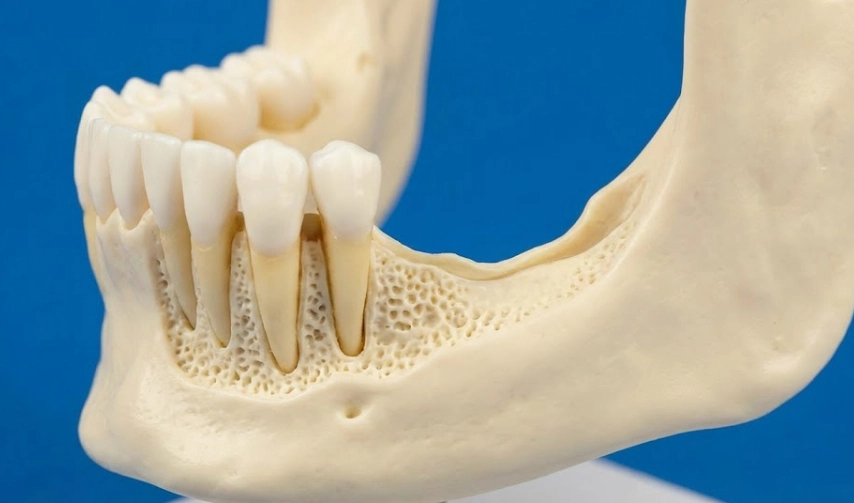
In our clinical experience, the jawbone is a “use it or lose it” organ. Following tooth loss, the bone that used to hold the tooth will start to resorb as the body will be tricked that the “framework” is no longer necessary, since the tooth is gone. That is the reason why we strongly discourage patients from waiting too long after an extraction to get the tooth replaced.
The Skyscraper Metaphor
It might be easier for you to understand what a dental implant is by comparing it to a skyscraper. First of all, you definitely would not attempt to build a 50-storey tower on moving sand; you actually have to get down to the bedrock. It the bedrock, that is, your jawbone, has been worn away, we just have to make a new, artificial bedrock. That is why the skill and knowledge of Professor Doctor Coşkun Yıldız and the surgical team in Turkey is so significant.
But Let’s Look Closer: How We Rebuild the Foundation
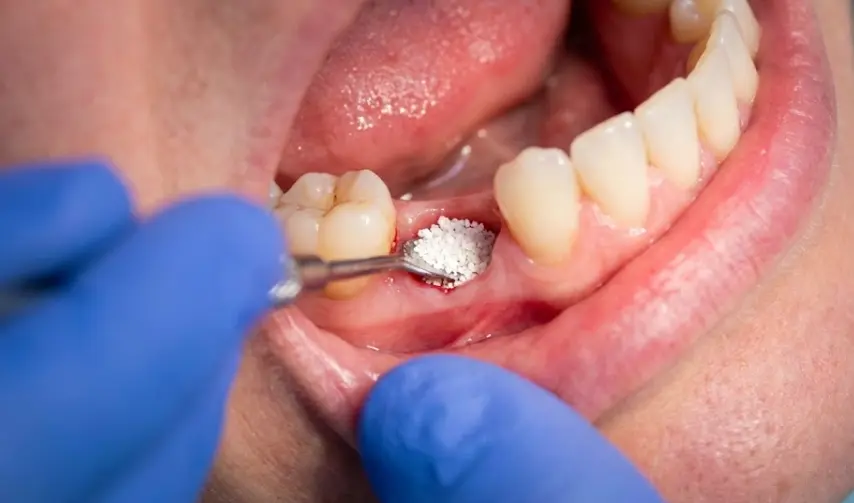
If your bone volume is insufficient, we don’t just give up. We utilize Bone Grafting. This involves placing specialized bone material (which can be your own bone, synthetic, or sterile donor bone) into the area where the volume is lacking. Over several months, your body “recruits” this material to grow new, living bone.
Here is what we see in the clinic: patients often worry about the “invasiveness” of this, but it is a routine part of the process for Dentist Polen Akkılıç and her team. We use advanced growth factors to accelerate this healing, ensuring that by the time we place the titanium implant, the site is as strong as a natural jaw.
The Sinus Lift: Navigating the “Eggshell Skin”
In the upper jaw, we face a unique challenge: the maxillary sinuses. When the back teeth are missing for a long time, the sinus cavity can expand downward, leaving only a thin sliver of bone.
Professor Doctor Coşkun Yıldız often explains this to patients using a delicate metaphor. The sinus membrane is as thin and fragile as an eggshell skin. A “Sinus Lift” is a microsurgical procedure where we gently “tuck” this membrane upward to create space for new bone. Once that space is filled and healed, we have plenty of room for an implant that will stay stable for a lifetime.
Comparing Solutions for Bone Loss
The question remains: which procedure is right for your specific situation? At Lema Dental Clinic, we use 3D Volumetric Tomography to map your bone structure down to the millimeter before deciding.
| Procedure | Purpose | Best For | Typical Healing Time |
| Minor Bone Graft | Filling a small “socket” after extraction. | Single tooth implants. | 3 – 4 Months |
| Sinus Lift | Creating height in the upper jaw. | Back molars in the upper arch. | 6 – 9 Months |
| Block Grafting | Fixing significant horizontal bone loss. | Severe atrophy from long-term tooth loss. | 6+ Months |
| Zygomatic Implants | Anchoring into the cheekbones. | Patients with almost no jawbone left. | Immediate Load |
The Reality of Advanced Options: Zygomatic Implants
What if the bone loss is so severe that even grafting seems impossible? Here is where the expertise of a clinic like Lema truly shines. We offer Zygomatic Implants. These are longer implants that bypass the jawbone entirely and anchor into the zygoma (cheekbone).
The cheekbone is incredibly dense and does not resorb like the jawbone does. This technique allows us to provide a full set of fixed teeth in just a few days, even for patients who have worn dentures for decades and were told they had “no hope.”
Why Turkey is the Destination for Complex Cases
The measure of surgical accuracy necessary to repair bone loss is very high. When you decide to go with Lema Dental Clinic in Turkey, you are getting a team that does these unheard-of grafts and sinus lifts regularly.
Dentist Polen Akkılıç and her team combine the most recent implant technologies from the Swiss and German industries with the clinical guidance of Professor Doctor Coşkun Yıldız, thus offering the level of care which is quite often higher than the one available in local general practices.
FAQ: Your Concerns About Bone Loss
The reality is that it does add a few months to the timeline, as we have to wait for your body to turn the graft into solid bone. However, this ‘waiting game’ is what ensures the implant doesn’t fail three years down the line. It’s an investment in longevity.
In our clinical experience, most patients describe it as feeling like a slightly longer filling appointment. Because we use specialized microsurgical tools, the post-operative swelling is minimal, and most mothers-to-be or busy professionals are back to their routine within 48 hours.
Yes. While synthetic materials are excellent, using a small piece of your own bone (often taken from the back of the jaw) remains the ‘gold standard’ because it contains your own living cells. We discuss which material is best for your specific biology during your consultation.
The question remains a top concern, but ‘rejection’ in the way we think of organ transplants doesn’t really happen here. The materials we use are bio-inert. Failure is usually due to infection or smoking, not the body ‘fighting’ the material.
Actually, yes! While systemic bone density matters, it doesn’t automatically disqualify you. We often work with your primary physician to adjust medications and ensure the local bone in your jaw is healthy enough for the procedure.
- Buser, D., et al. (2017). Long-term Stability of Contour Augmentation with Early Implant Placement. Journal of Periodontology.
- Yıldız, C. (2024). Advanced Bone Augmentation Techniques in Atrophic Maxilla. Istanbul Dental Surgical Review.
- Misch, C. E. (2014). Dental Implant Prosthetics. Elsevier Health Sciences.
- Akkılıç, P., & Team. (2025). Comparative Analysis of Synthetic vs. Autogenous Bone Grafts in Turkish Patient Demographics.
- Pikos, M. A. (1999). Maxillary sinus membrane repair: update on technique for large perforations. Implant Dentistry.

