


Calcium deposits on teeth are the buildup of minerals over the existing plaque on teeth which eventually becomes hard. The formation of the plaque is a daily occurrence on our teeth which are influenced by food particles, bacteria, and saliva.
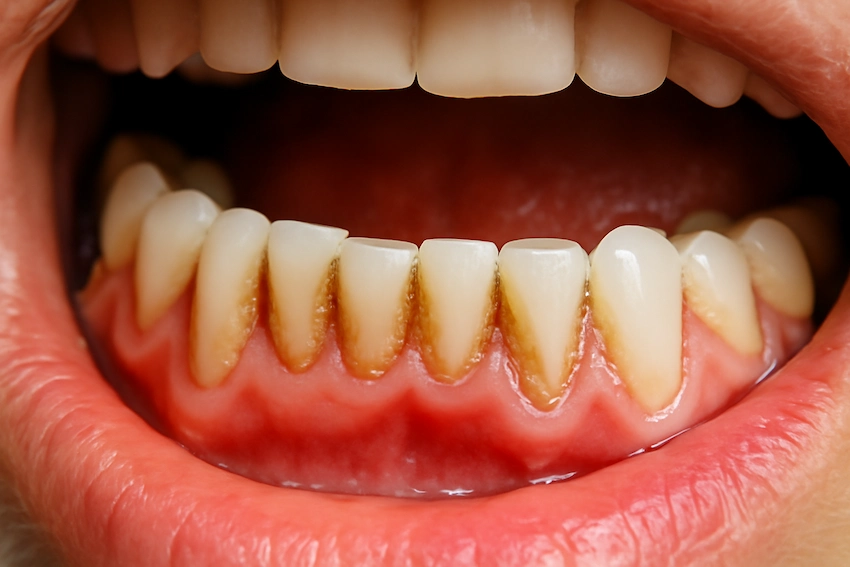
By not brushing and flossing your teeth regularly, the plaque is likely to merge with calcium and other minerals that are present in your saliva, thus, becoming tartar finally. The accumulation of tartar can be detected with the naked eye in the form of yellow or brownish deposits on the teeth and in most cases, they develop near the gum line.
Nonetheless, these deposits are a source of concern as they are the sign of the nonexistence of perfect oral hygiene, and the latter, when colonized by microbial dental plaque, may cause inflammation of the gingival tissue, periodontitis, which in turn leads to pus formation, abscess, and caries (dental decay).
What Are Calcium Deposits on Teeth?
Calcium deposits on teeth are the accumulations of minerals on plaque that have grown hardened over time. Every day plaque, which is composed of food particles, bacteria, and saliva, grows on your teeth.
If brushing and flossing are not done regularly, plaque will change into tartar which in the end will be hard as it combines with calcium and other minerals from the saliva. The presence of tartar shows as either yellow- or brownish-colored deposits on the surface of the teeth and is usually located near the gum line.
Causes of Calcium Deposits on Teeth
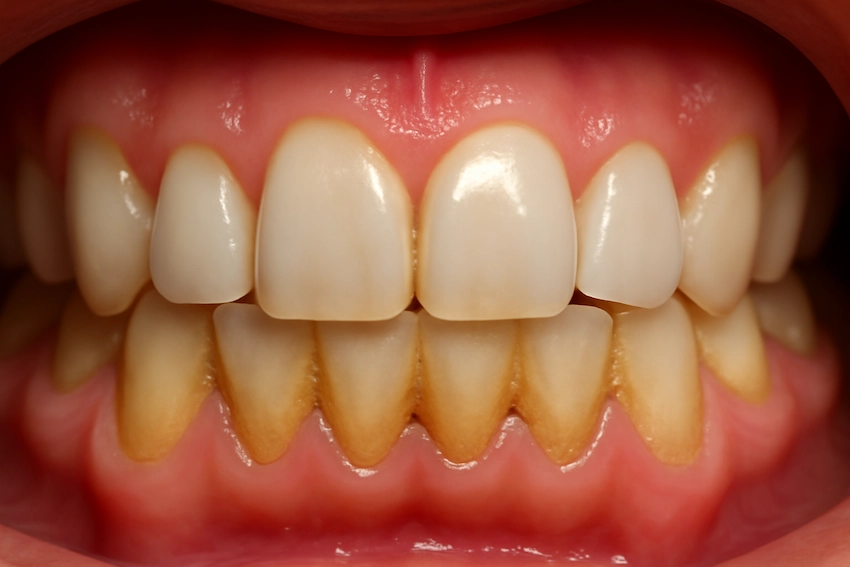
The primary cause of teeth deposits of calcium is the neglect of proper oral care. The tar is the product when the plaque is not removed regularly and, as time passes, the minerals from the saliva will be added to the accumulation.
However, these are only a few factors that may provoke the formation of calcium deposits on teeth, namely:
- Diet: Consuming excessive sugary or acidic products may cause the development of plaque on your teeth and thus make deposits more likely to occur.
- Poor Brushing Habits: Inadequate brushing or wrong technique gives plaque the chance to increase and become hard quickly turning to what is called tartar.
- Saliva Composition: Some people are more calcium enriched in their saliva and this is one of the reasons why they develop deposits of calcium.
- Smoking or Tobacco Use: Smoking can not only make the production of plaque and tartar easier but also the presence of calcium deposits on teeth get worse.
- Certain Medications: The use of histamine blockers or diuretic agents may reduce the production of saliva causing the mouth to dry out and hence more plaque will form.
Effects of Calcium Deposits on Teeth
The accumulation of calcium deposits on teeth may lead to various problems if not properly handled:
- Aesthetic Concerns: Tartar will definitely stain a person’s teeth thus the discoloration will be yellow or brown and your smile will be affected with the discoloration of it.
- Bad Breath (Halitosis): The bacteria that are trapped in tartar can emit foul gases, thus the bad breath will persist.
- Gum Disease (Gingivitis and Periodontitis): The bacteria from tartar, due to which the gum gets irritated and inflamed, is the cause of gingivitis and if the disease keeps progressing it can lead to periodontitis and the stage of tooth loss may also be reached at this time.
- Cavities and Tooth Decay: The formation of tartar leads to decay as the tartar layer has a rough surface where bacteria can reside.
Dentists indicate that if calcium deposits on teeth are neglected for a very long time, they will highly likely turn into serious oral health issues that need professional treatment to be solved.
How to Prevent Calcium Deposits on Teeth
The most effective method to prevent calcium deposits on teeth should be good oral hygiene. Following are the steps to clear the teeth of tartar and plaque:
- Brush Regularly: Twice a day at least, brush your teeth with fluoride toothpaste. Concentrate your brushing at the point where the deposits on teeth are most likely to happen.
- Floss Daily: Only the toothbrush cannot reach the plaque between teeth, so make use of floss to remove the plaque. This is even more significant in the prevention of calcium deposits on teeth.
- Use Mouthwash: A mouthwash which has an antibacterial property is very helpful in making the bacteria that can lead to the formation of the plaque minimal in the mouth.
- Go to your dentist on a regular basis: A cleaning made by a professional every 6 to 12 months is very effective to eliminate tartar that has been accumulated in the mouth and that cannot be removed through brushing at home.
- Reduce the intake of sugary and acidic foods: Such food will become the main factor of the plaque formation on our teeth and they will also increase the risk of calcium deposits. Rinsing the mouth with water after a meal will help get rid of food particles and bacteria.
Treatment for Calcium Deposits on Teeth
In case of calcium deposits on teeth, the dentist can carry out the following cleaning procedures to get rid of the deposits:
- Professional Cleaning: The single most efficient method to get rid of tartar is by professional cleaning, which is also called scaling and polishing. Your dentist or dental hygienist will carry out the procedure with the aid of the special instruments to remove the tartar that has become hard on your teeth.
- Scaling and Root Planing: If the condition is very bad due to the presence of tartar that has even affected the gums, then the dentist may carry out the scaling and root planing procedure. This intense cleaning method involves removal of tartar from under the gumline and the roots are being smoothed so that the gums can reattach to the teeth.
- Whitening Treatments: After removal of tartar, the teeth whitening procedure can help give back the smile of its own by getting rid of the stains caused by calcium deposits on teeth.
FAQ About Calcium Deposits on Teeth
Calcium deposits on teeth (tartar) definitely cannot be removed with regular brushing or flossing. The removal of tartar is the only reason why professional dental cleanings are necessary.
No. Plaque is a bacterial film that adheres to teeth every day, whereas tartar is solidified plaque that is definitely not removable with a toothbrush or dental floss but only with a dental professional.
It is highly advisable that every 6 to 12 months you carry out dental cleanings. In a bid to make tartar accumulation less of a problem, such cleanings will be of great help
Definitely, a dental cleaning carried out by your dentist will have a good impact on your whitening treatments as they are able to bring back the brightness of your smile.
Yes, calcium deposits on teeth can be a source of consistent bad breath as bacteria are enclosed in the tartar.
References:
American Dental Association. (2023). Plaque and tartar: What you need to know.
Mayo Clinic. (2022). Dental care and calcium deposits. Retrieved from https://www.mayoclinic.org
WebMD. (2023). How to remove tartar from teeth. Retrieved fromhttps://www.webmd.com/oral-health
Colgate. (2022). How to prevent tartar buildup.

