Have you ever held your toothbrush in front of the bathroom mirror, only to find that you are out of toothpaste? Or maybe you came across the idea of natural brushing techniques and doubted their authenticity? The truth of the matter is to uncover what goes on by brushing your teeth without toothpaste — And are your teeth really getting the cleaning they deserve?
What Does Toothpaste Actually Do?
Toothpaste is much more than just a freshener with a mint flavor. Along with fluoride to rebuild the enamel, it also includes some mildly abrasive materials to both remove the deposits and the stains, as well as a few antibacterial agents to assist in the fight against bacteria. Even though the product may not foam much or be very flavorful, those ingredients are there for a reason — the most important one being fluoride, which is the main defense against caries.
So brushing without it is not totally ineffective? Not exactly — but it changes the dynamics.
Can Brushing Without Toothpaste Still Clean Teeth?
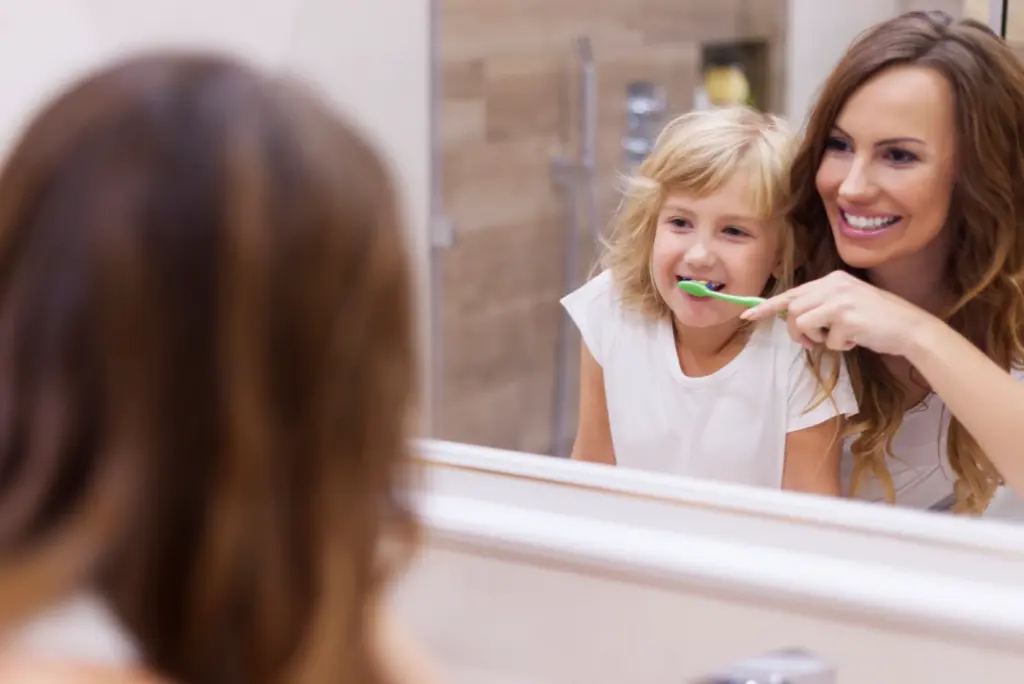
The answer is yes if properly done, brushing without toothpaste is still effective. In fact, your toothbrush should be commended as the most valuable player since it is the main tool used to remove food remnants, plaque, and bacteria physically. The toothbrush bristles scrubbing your teeth and gums also accomplish the task of removing the buildup of whatever nature, even if it is just water.
Instead, the technique of dry brushing (i.e., when one uses neither a brush nor water) has been supported by some scientific research to decrease plaque when performed on a daily basis. However, the drawback of this method is the absence of fluoride and of the antibacterial agents that are found in a regular toothpaste.
Pros of Brushing Without Toothpaste
- Reduces chemical exposure: Suitable for individuals who are sensitive to certain components like sodium lauryl sulfate (SLS).
- Handy in an emergency: You forgot your toothpaste, and you are on a trip? You can still brush your teeth with just a toothbrush, although it is not a perfect way to clean your teeth.
- Encourages mindfulness: In the absence of foam and flavor, one could be more focused on the technique and time of brushing.
Cons of Brushing Without Toothpaste
- Lacks fluoride protection: One of the strongest means of preventing tooth decay is missing.
- There are no antibacterial ingredients in it: The bacteria in the mouth will not be at a minimum.
- Not a Breath Freshener: Let’s be honest — toothpaste with a minty flavor is the most common way of freshening breath.
Best Practices for Brushing Without Toothpaste
Whether toothpaste-free is your choice or a do-not-have situation, these are some tips that can help you:
- Brush for a complete 2 minutes: The timing is even more important when you rely only on the brush.
- Technique should be your focus: Use small, circular motions and make sure you have brushed each surface.
- Rinse well: After brushing, if it is with water, then at least have a mouth rinse with you to ensure total hygiene.
- If not, try these: Don’t use baking soda, coconut oil, or saltwater daily; just now and then and with the permission of your dentist.
Are There Natural Alternatives to Toothpaste?
For those who prefer a natural oral care routine, here are a few options:
- Baking soda: A natural abrasive that can neutralize acids and help in teeth whitening.
- Coconut oil (Oil pulling): It may decrease bacteria and improve gum health if it is swished around in the mouth for 10–20 minutes.
- Charcoal powder: Currently popular but still controversial; be careful and do not use it daily.
- Tooth powder: A non-liquid version made of natural ingredients such as clove, cinnamon, or bentonite clay.
What Do Dentists Say?
A large number of dentists claim that brushing without toothpaste for an odd day seldom times will not lead to harm, but it should not be a routine unless you are using another source of fluoride. In fact, the daily use of fluoride toothpaste is still the most recommended way to achieve long-term oral health.
Final Thoughts: Should You Brush Without Toothpaste?
Brushing teeth without toothpaste can remove dirt from your teeth; however, it is not a complete oral hygiene solution. It feels like a practice on the “easy mode” of brushing. You will get partial enamel from the bacteria; however, you will not get enamel protected from bacteria.
If you really want to have the best oral health care routine — whether it is natural or conventional — you might want to consult with your dentist to figure out the best routine for you.
FAQ: Brushing Teeth Without Toothpaste
It can be gentler, especially if you’re sensitive to SLS or other additives, but you should use a toothpaste made for sensitivity if you’re skipping standard ones.
While water and brushing remove some plaque, you’re missing out on fluoride and antibacterial action. It’s okay occasionally, but not recommended long-term.
Try natural or fluoride-free versions. There are many types on the market for people with ingredient sensitivities.
Baking soda is mildly abrasive and can wear enamel with overuse. Occasional use is fine, but not daily without professional guidance.
It may help reduce surface stains over time, but won’t chemically whiten your teeth like peroxide-containing products.