


Alveolar ridge loss is a situation in which the bone that supports your teeth becomes less dense and weaker. The most common cause is definitely when the tooth is removed, and the extraction site is left to heal without intervention. As there are no tooth roots that provide stable support in the jaw, the alveolar bone will simply get smaller and smaller; thus a problem will be created if new implant fixtures or any other prosthetic treatments have to be used.
Alveolar ridge loss, limited only by the cases where teeth have been lost, can also be caused by periodontal disease, trauma or other health conditions that seriously weaken the bones. This problem condition can be a way of blocking the realization of dental implant surgery, as the bone must be strong and thick enough to hold the implants firmly in place.
Causes of Alveolar Ridge Loss
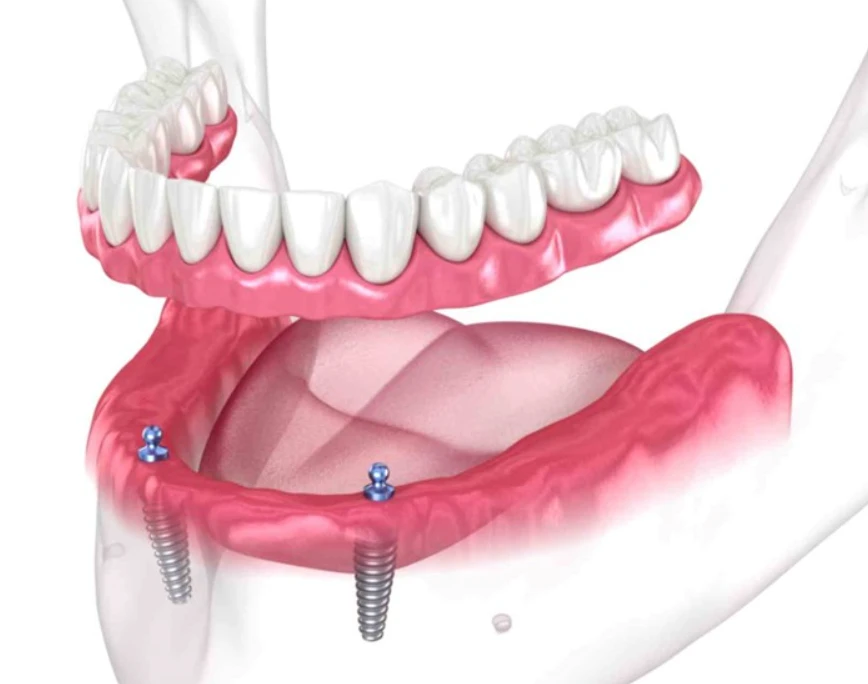
The loss of the alveolar ridge can be caused by several factors, and it is very important to know these causes for the prevention or management of bone resorption. The major causes of alveolar ridge loss are outlined below:
- The most frequent reason for alveolar ridge loss is a tooth extraction. When one tooth is taken away, the bone that supported the root is the one that starts shrinking and resorbing. The bone resorption process starts when the root of the tooth no longer provides stimulation. If the place of extraction is left to heal naturally, this process will be sped up.
- Periodontal Disease: Gum disease or periodontal disease is also a leading cause of alveolar ridge loss. This condition destroys the gum tissues as well as the bone that supports the teeth. If the infection is still left to progress without medical intervention, it will penetrate the alveolar bone causing it to become weak and resorbing, thus extensive bone loss and the weakening of the structure for implants occur.
- Trauma, or the hitting or any other physical trauma to the mouth or jaw, can be the reason why the alveolar ridge gets damaged directly. A traumatic situation, such as an accident, fall, or injury during sports activitie,s can not only result in fractures or loss of teeth but also the loss of bone structure that may change the alveolar ridge both in terms of its shape and integrity. Thus, the most common requirement in this case is surgical intervention to restore the bone.
- Aging and Natural Bone: The natural process of bone loss is getting faster when people age, especially if teeth have been missing for a long time. One’s body cannot regenerate bone as much as before, causing the alveolar ridge to gradually resorb. The aging process is also affected by several other factors, such as hormonal changes and overall bone health, which can accelerate bone loss in the jaw.
- Genetic Factors: Your alveolar ridge condition is also dependent on the genes you have. Some people may inherit weak bone structures or in genetic predisposition for bone resorption from their parents. In this case, preventive steps like early dental care and using bone preservation methods can go a long way in lessening the effects.
- Smoking and Lifestyle Factors: Smoking can be a very good reason in most cases for the development of both periodontal disease and bone loss. There are lots of chemicals in tobacco that eventually damage the gums and bones by restricting blood flow to these areas which also results in the lack of healing and hence the process of bone resorption speeding up. In addition to that deficiency in nutrition and poor oral hygiene can also lead to alveolar ridge loss.
- Diseases and Medical Conditions, likes of Osteoporosis, diabetes, and rheumatoid arthritis can be factors that make bone loss more severe. These illnesses, when especially treated can lower the density of the bone and slow down the healing process, thus it becomes very hard to maintain the health of the alveolar ridge. Besides that some medications for exampl,e steroids can increase the risk of bone loss.
Effects of Alveolar Ridge Loss
The loss of the alveolar ridge can cause a series of negative effects on oral health. First, It may cause the sinking in of the surrounding facial structures, leading to a hollow or sunken appearance. The change in appearance may influence people’s bite and thu,s chewing functioning may also be impacted. The decrease of alveolar ridge can cause difficulties in implant placement since the bone may no longer be capable of providing the necessary support for the implants to function properly.
In extreme cases, ridge loss may cause speech problems or difficulty in eating. The loss of bone structure can loosen the existing teeth thereby causing the dental pieces to become misaligned or more of a tooth loss situation. Hence prevention of alveolar ridge loss plays an important role in keeping the mouth healthy and functional.
| Type of Graft | Description | Best For |
|---|---|---|
| Autograft | Bone harvested from the patient’s own body, typically from the hip or chin. | Small to moderate ridge defects |
| Allograft | Bone from a donor, typically from cadaveric bone. | Moderate to severe defects in patients with no donor site |
| Xenograft | Bone derived from an animal source, usually bovine. | Severe ridge loss where other options are not viable |
| Alloplastic (Synthetic) | Artificial bone material, often made from calcium phosphate or hydroxyapatite. | Patients who cannot undergo autografting or allografting |
Preventing Alveolar Ridge Loss
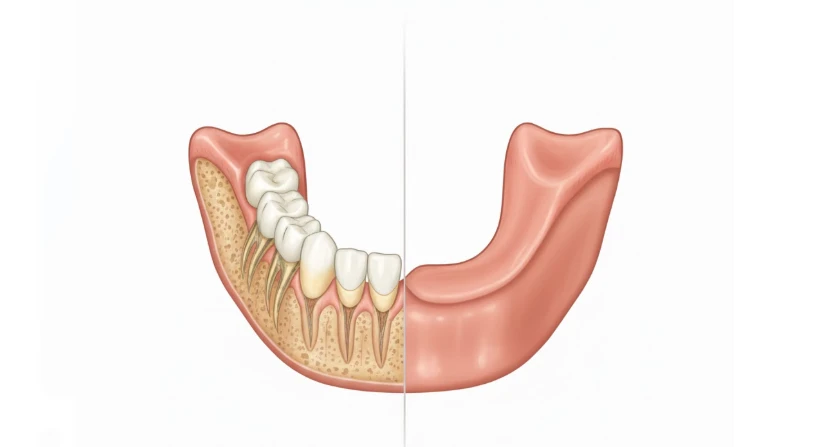
Steps to prevent alveolar ridge loss should be taken at the very beginning, and also, proper oral care must be adhered to. After tooth removal, bone grafting is highly recommended to maintain the alveolar ridge, which is very important. The purpose of a bone graft is not only to give the bone the necessary support but also to maintain its integrity while allowing it to heal properly. Besides that, patients with periodontitis should be treated for the problem to eliminate the infection and prevent bone from being degraded further.
Good oral hygiene is the best way to prevent bone loss. Proper brushing, flossing, and cleaning by a dental professional keep you free from periodontal disease, which is the main cause of alveolar ridge loss. For those who are in the danger zone, periodic visits to a dentist or periodontist like Dentist Polen Akkılıç or Professor Doctor Coşkun Yıldız can be very helpful in detecting bone loss at an early stage and thus taking preventive measures.
Treatment Options for Alveolar Ridge Loss
Those who have experienced alveolar ridge loss only, a variety of measures can be used, among which the most common measure is the use of bone grafts: In this, the material for the bone is placed into the affected zone to encourage the formation of new tissues. The 3 different types of bone grafts are autografts, allografts, and synthetic grafts, with each of them having its own advantages and application areas depending on how serious the bone loss is.
There are also some patients who will also require sinus lifts or ridge augmentation to regain the alveolar ridge’s height and width. The use of these methods is mainly the preparation for dental implants thus better outcomes and longer success of the implants being ensured.
Refences
- Aghaloo, T. L., & Moy, P. K. (2007). Bone resorption following tooth extraction: A clinical review. The Journal of the California Dental Association, 35(9), 605-608. https://doi.org/10.1111/j.1600-065X.2007.00470.x
- Botticelli, D., & Lindhe, J. (2008). A bone resorption and new bone formation following a split-thickness flap in the maxilla. Clinical Oral Implants Research, 19(10), 1053-1061. https://doi.org/10.1111/j.1600-0501.2007.01496.x
- Al-Harbi, N. A., & El-Bialy, T. (2013). Alveolar ridge preservation techniques: Current concepts. Journal of the Canadian Dental Association, 79(4), 1-7. https://doi.org/10.1016/j.jcda.2013.04.002
- Esposito, M., & Grusovin, M. G. (2009). Interventions for replacing missing teeth: Evaluation of grafting techniques and materials. Cochrane Database of Systematic Reviews, 4, CD005544. https://doi.org/10.1002/14651858.CD005544.pub2
- Sanz, M., & Chapple, I. L. C. (2012). Clinical efficacy of periodontal regeneration in the management of alveolar ridge preservation. Periodontology 2000, 59(1), 122-143. https://doi.org/10.1111/j.1600-0757.2012.00410.x
Frequently Asked Questions About Alveolar Ridge Loss
Alveolar ridge loss refers to the gradual resorption of the bone that supports the teeth, typically occurring after tooth extraction. Without the stimulation from the tooth root, the bone starts to deteriorate over time.
The primary causes of alveolar ridge loss are tooth extraction, periodontal disease, trauma, aging, and genetic factors. These conditions weaken the jawbone, causing it to shrink and lose volume.
Alveolar ridge loss can make it difficult or impossible to place dental implants successfully. The bone must be strong enough to anchor the implants, and without sufficient bone, additional procedures like bone grafting are needed.
Yes, alveolar ridge loss can be prevented with early intervention such as bone grafting following tooth extraction, treating periodontal disease, and maintaining proper oral hygiene. Regular dental check-ups are also essential for monitoring bone health.
Common treatments for alveolar ridge loss include bone grafting, sinus lifts, and ridge augmentation. These procedures help restore lost bone and prepare the area for dental implants.
Not all patients with alveolar ridge loss require bone grafting. The need for grafting depends on the severity of the bone loss and the type of dental treatment planned, such as dental implants.
Yes, significant alveolar ridge loss can cause changes to the facial structure, resulting in a sunken or collapsed appearance. This occurs as the jawbone shrinks, affecting the alignment of the teeth and facial muscles.
Like any surgical procedure, bone grafting carries risks such as infection, graft rejection, or failure to integrate with the bone. However, when performed by experienced professionals, these risks are minimal and complications are rare.

