


Wait to prevent enamel erosion
Since we were kids, we’ve been hearing that brushing teeth after every meal is the best oral hygiene practice. And it makes perfect sense — get rid of the food remnants, make your breath smell nice, and stop the formation of dental caries.
However, it turns out that your over-zealousness might be doing more damage than good.
At Lema Dental Clinic, through our clinical practice, we see patients with enamel wear and increased tooth sensitivity who are shocked when we tell them that the cause of their issues is their “perfect” brushing routine. It is a matter of correct timing. When you brush your teeth right after having certain types of food, what you are really doing is not only cleaning your teeth; you are scrubbing off your protective enamel layer.
When Your Smile is “Softened” at a Chemical Level
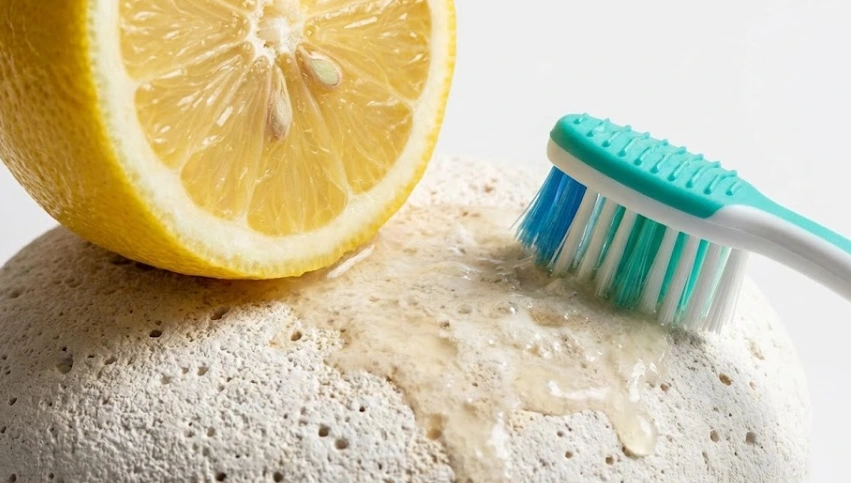
It’s actually better for you to hold off on brushing with toothpaste for a bit. So, how about we explain it through the pH balance in your mouth? Whenever you have something to eat, especially a citrus fruit, soda, or a glass of wine, your mouth’s environment changes to be acidic. Tooth enamel gets softened by acid attack for a short period of time.
Take your tooth enamel as if it is a luxurious, polished hardwood floor. It is extremely resistant under normal conditions. However, an acidic meal is like a chemical stripper that takes off the “varnish” from your teeth. Professor Doctor Coşkun Yıldız often points out that if you use a toothbrush on that softened surface right after, it is like taking sandpaper to wet wood. You will be damaging the very layer that is supposed to protect the sensitive dental nerves from harm.
But What Actually Happens While We Are Waiting?
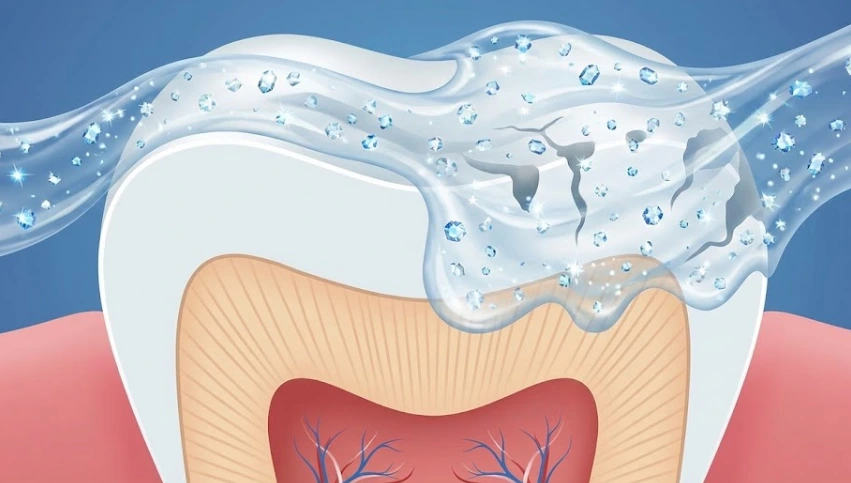
Your organism has its own natural defense mechanism: saliva. Saliva is an overlooked oral health component. It works as a natural resource that can absorb an acid neutralizer and a washing agent. Besides that, it has calcium and phosphate ions which can help to “remineralize” the enamel, making it resistant to another acid attack.
What we find in the dental office is a case of people who drink water after eating and then wait for 30-60 minutes. They give their saliva enough time to continue the dental restorative work. When they reach for their toothbrush, the “varnish” is once again hard, and the brushing is both safe and effective.
Food Types and Brushing Timelines
Not every meal requires the same level of caution. Dentist Polen Akkılıç and her team suggest following this general guide for patients visiting us here in Turkey:
| Category | Examples | Risk Level | Recommended Wait Time |
| Highly Acidic | Lemons, Soda, Sports Drinks | Very High | 60 Minutes |
| Sugary/Carbs | Pasta, Bread, Cookies | Moderate | 30 Minutes |
| Neutral/Basic | Cheese, Nuts, Water | Low | 15-20 Minutes |
| After Vomiting | Acid Reflux/Morning Sickness | Critical | Rinse only, wait 60 mins |
The Question Remains: What Should You Do Instead?
Does this mean you should just let food sit on your teeth? Not at all. At Lema Dental Clinic, we recommend a “Transition Strategy” to keep your mouth clean without the damage:
- Rinse with Water: Immediately after eating, swish plain water. This helps neutralize pH and removes the bulk of the debris.
- Chew Xylitol Gum: This stimulates saliva flow, which speeds up the remineralization process.
- Eat a “Buffer” Food: Finishing a meal with a piece of cheese or a sip of milk can help neutralize acids instantly.
Precision Care in Turkey
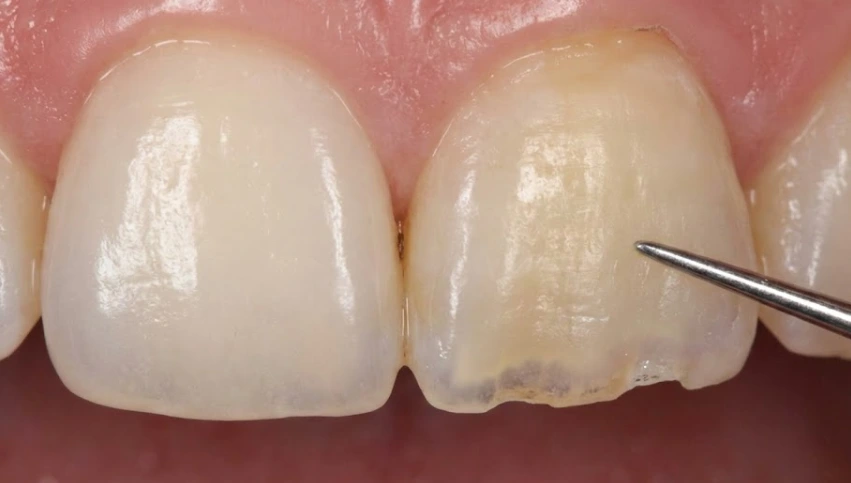
If you are someone who has already had your enamel worn down to a great degree, which may cause yellowing or painful sensations when drinking cold water, then the damage can be reversed by using cutting-edge restorative methods. Be it professional bonding or super-strong veneers, our staff is committed to bringing back the structural soundness of your smile.
Treatment in Turkey at our facility isn’t just about aesthetics; it’s about medical longevity. Dentist Polen Akkılıç and her team utilize digital scanning to monitor enamel thickness over time, ensuring that your daily habits are supporting, not sabotaging, your health.
FAQ: Expert Insights from Lema Dental Clinic
Actually, brushing before breakfast is often better. It coats your teeth with fluoride before the acid attack of your morning coffee or orange juice begins. If you must brush after, just give it that 30-minute window.
Apples are wonderful, but they are also acidic and contain natural sugars. Even with healthy fruits, the ‘sandpaper effect’ still applies. Rinse with water first, then wait a bit before reaching for the brush.
A soft-bristled brush is always safer, but even the softest brush can cause ‘toothbrush abrasion’ if the enamel is currently softened by acid. The timing is more important than the bristle strength in this specific case.
Absolutely. Stomach acid is significantly more corrosive than food acid. If you experience a reflux episode, do not brush immediately. Rinse with water or a baking soda solution to neutralize the acid first.
Mouthwash is great for freshening, but some formulas are actually quite acidic. We recommend a neutral, alcohol-free, fluoride rinse. However, rinsing with plain water is still the safest immediate step.
- Addy, M. (2005). Dental erosion: what is the cause? Journal of Dentistry.
- Bartlett, D. W. (2005). The role of erosion in tooth wear: aetiology, prevention and management. International Dental Journal.
- Lussi, A., & Jaeggi, T. (2008). Erosion—diagnosis and risk factors. Clinical Oral Investigations.
- Zero, D. T., & Lussi, A. (2005). Erosion—chemical and biological factors of importance to the dental practitioner. International Dental Journal.
- Yıldız, C. (2024). Enamel Preservation and Restorative Protocols in Modern Prosthodontics. Istanbul Medical Press.

