


The way you smile is the way you reveal your life story. It conveys your confidence, joy, and good health. However, for a million people all over the globe, losing teeth can alter that narrative drastically. For a long time, dental implants have been considered the best solution for missing teeth. They are powerful, functional, and resemble the natural teeth pretty well — but they are still artificially made. The way an amazing new invention, lab-grown teeth, is turning the whole dental science discipline around is unbelievable.
At LEMA Dental Clinic in Istanbul, Turkey, innovation and patient care are two sides of the same coin. Being one of the top European centers for Hollywood Smile design, dental implants, and aesthetic dentistry, the clinic is at the forefront of the regenerative dentistry revolution — a field that offers a promise that is literally far-fetched: the real human teeth regrowth.
What Are Lab-Grown Teeth?
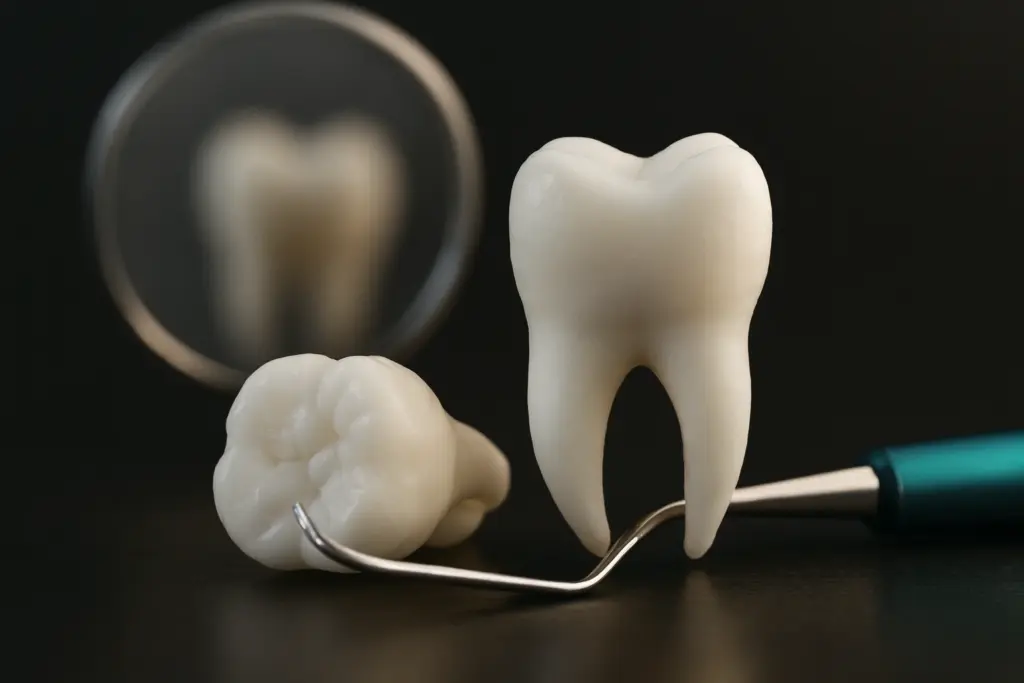
Lab-grown teeth or regenerative teeth are biologically engineered teeth made by the use of stem cells, scaffolds, and tissue-engineering techniques in a laboratory. The concept is to grow a living tooth with all the components such as enamel, dentin, pulp, and even roots and then implant it in the jawbone of the patient, where it will work as a natural tooth.
The idea behind it is to change the way tooth replacement way with metal or ceramic materials with one that is completely biological by growing a tooth from the patient’s own cells. Hence, it means there will not be rejection, metal allergy, and the product’s real look and feel will be indiscernible from that of a natural one.
Imagine the reality in the near future that people would not need to have an implant at a clinic like LEMA Dental Clinic, but get their tooth regenerated there.
How Are Lab-Grown Teeth Created?
It is a complicated process that relies on the regenerative principles of the tissue and the conversion of the cells’ source material into different types by the stem cells. Here is a detailed scientific review of the process:
1. Stem Cell Collection
A part of the research involves finding stem cells. Usually, they get from the patient whose:
- One tooth pulp of an extracted or a baby tooth,
- The gum tissue (gingival stem cells), or
- Bone marrow or blood-derived stem cells.
The cells are pluripotent, i.e., they can be converted into any cell, including those in enamel, dentin, and pulp of a tooth.
2. Scaffold Fabrication
Following that, the creation of a 3D biocompatible mold is the next step. This mold is the structure of the new tooth and it also helps as the natural developing tooth structure for the cells to arrive, divide, and grow further.
3. Cell Cultivation and Differentiation
The stem cells are moved into the scaffold together with the growth factor and nutrient-rich media that promote the development of specialized dental cells. Subsequently, they form the three significant layers:
- Enamel (ameloblasts) — the hard, protective outer shell,
- Dentin (odontoblasts) — the inner supportive tissue,
- Pulp (fibroblasts, nerve, and vascular cells) — the living inner core.
4. Maturation in Bioreactor
The bioreactor is a controlled environment providing body temperature, blood circulation, and pressure for the developing tooth, i.e., tooth germ. The maturation takes place there.
5. Implantation into Jawbone
Bioengineered teeth, when mature, can be implanted in the jawbone of the patient. Later, it naturally goes with the integration, i.e., the bone cells attach and grow around the implant, turning it into a living, vascularized tooth root sensitive to pressure and touch like a real one.
The Role of Regenerative Dentistry
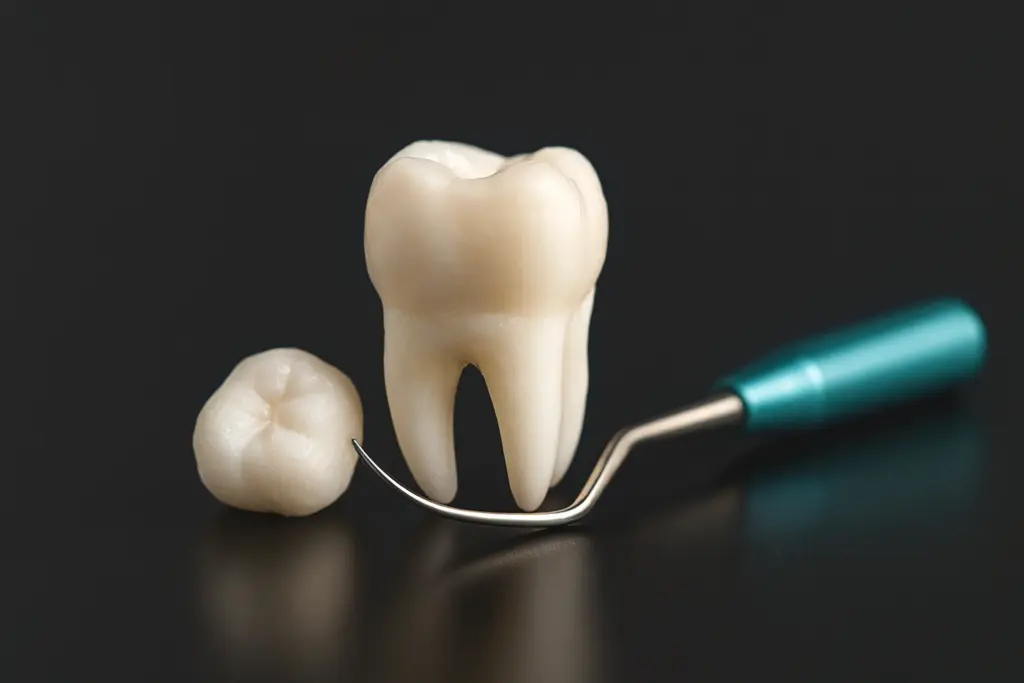
Regenerative dentistry is the future of oral medicine. It focuses on returning the health of the body parts that are damaged without artificial replacement of them. Researchers are going to regenerate:
- Gums (gingival tissue)
- Jawbone
- Tooth pulp
- Enamel layers, and even
- Whole teeth
At LEMA Dental Clinic, these concepts are already reflected in the methods of bone grafting, platelet-rich plasma (PRP) interventions, and guided tissue regeneration — all of which rely on the body’s inherent healing ability to regain lost structures. These methods are opening the door to total tooth regeneration in the near future.
Why Lab-Grown Teeth Are Revolutionary
By the invention of lab-grown teeth, the entire concept of dental health is changed. In brief, why such an innovation is considered a game-changer are as follows:
- Completely Natural Structure: A lab-grown tooth comprises real enamel and dentin, thus, it is identical in both look and feel to the natural tooth.
- Biological Integration: These teeth come from your cells, so they unite with your bone and tissues in a standard way without the immune system issuing any rejection.
- Lifelong Durability: In contrast with implants or any other dental devices, lab-grown teeth may have the ability to regenerate the tissues and even self-maintain.
- Elimination of Metals and Ceramics: The conventional dental implants are made from titanium or zirconium; however, lab-grown teeth render the use of these foreign materials unnecessary.
- Restoration of Sensation: As they have nerves and blood vessels, bioengineered teeth would be able to give back the normal chewing and feeling of cold or heat – this is something that the present implants are not capable of.
Dental Implants vs Lab-Grown Teeth: A Future Comparison
Even though lab-grown teeth are not yet available for clinical use, it’s worth understanding how they might compare with the best technology we have today — dental implants.
| Feature | Dental Implants | Lab-Grown Teeth |
| Material | Titanium or Zirconium | Biological tissue |
| Integration | Mechanical osseointegration | Natural root formation |
| Sensation | No nerves (insensitive) | Natural nerve response |
| Maintenance | Requires good hygiene and periodic control | Natural self-maintenance |
| Longevity | 15–25 years | Potentially lifelong |
| Cost (Future) | High but predictable | Currently unknown (research phase) |
Dental implants remain a safe, proven, and highly aesthetic option, especially at LEMA Dental Clinic, where Professor Doctor Coşkun Yıldız and Dentist Polen Akkılıç apply cutting-edge imaging and digital planning technologies for full-mouth restorations. But in the next generation of dentistry, these implants could be replaced by real, biological teeth — grown uniquely for each patient.
Scientific Research and Current Progress
At present, lab-grown teeth are only a concept. But, in the spirit of the times, progress is quickening:
- Tokyo University (Japan): They have stem-cell-based structures in mice for teeth and got functional roots and enamel layers.
- Harvard School of Dental Medicine (USA): They are doing experiments on dental pulp regeneration and bioengineered tooth buds.
- King’s College London (UK): They figured out the interaction between epithelial and mesenchymal cells to produce teeth which is the crucial step for growing human teeth.
- Chinese Academy of Sciences: They are working on dental epithelial stem cells for growing the structures that will be compatible with humans.
First clinical applications of the technology may become accessible, according to many experts, within a decade (by 2035) — initially for kids with congenital tooth loss and later for adult patients with extractions or trauma.
Challenges and Limitations
Such a state of affairs as lab-grown teeth being the minimal problem that the team of scientists has to work on is very far. They have a lot of work to do and only a few challenges have been identified:
- Time and Cost: the production takes months, and there have to be very advanced laboratories.
- Complexity of Enamel Formation: It is hard to produce cells that will form the enamel in the body (ameloblasts).
- Regulation and Ethics: there are many limitations for stem cell research; additionally, safety tests for clinics will take a long time.
- Long-Term Stability: The team needs to verify whether these teeth can be subjected to years of biting, bacterial attack, and wear.
Until they overcome these challenges, dental implants will still be the most efficient and reliable way to substitute missing teeth.
The Future Outlook: From Laboratory to Clinic
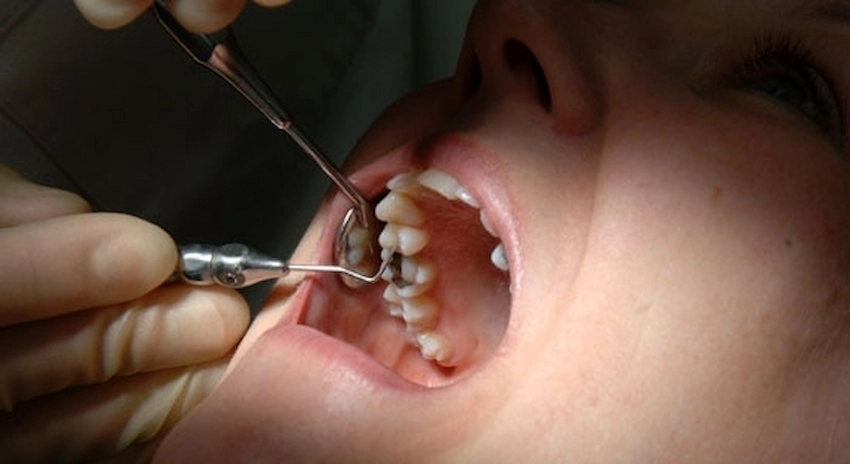
What if after losing a tooth and going to the dentist, instead of a screw or a bridge, your tooth was replaced with a living one grown from your DNA? This is the ultimate goal of regenerative dentistry.
The treatment might be like this in the near future:
- The dentist gets stem cells from a healthy tooth.
- These cells are grown in a lab until a new tooth germ is formed.
- 2–3 months later, the new tooth is implanted.
- After a short time, it naturally goes with the integration to the bone and starts working like the old one.
The way oral health, implantology, and aesthetic dentistry are understood will change completely with this approach. Problems like bone loss, loosened implants, or material allergies will no longer be faced by patients. Instead, they will be given back the gift of nature — their own teeth, reborn.
LEMA Dental Clinic: On the Verge of the Next Generation of Dentistry
Lab-grown teeth are still far from being realized, but LEMA Dental Clinic in Istanbul is already implementing many of the same technologies that will enable this future.
The clinic uses:
- Digital Smile Design (DSD) for very accurate planning,
- Materials that are good for both the body and regenerative medicine,
- 3D scanning as well as CAD/CAM for absolutely correct anatomical modeling, and
- Bone regeneration methods that not only support but also attract natural tissue growth.
The clinic, under the combined effort of art, technology, and biology by Professor Doctor Coşkun Yıldız and Dentist Polen Akkılıç, not only brings back the lost beauty of the smile but also a long-lasting and functional one.
LEMA’s working model is very clear: Technologies in dentistry should go along with nature and not against it.
Patient Benefits: The Bridge Between Today and Tomorrow
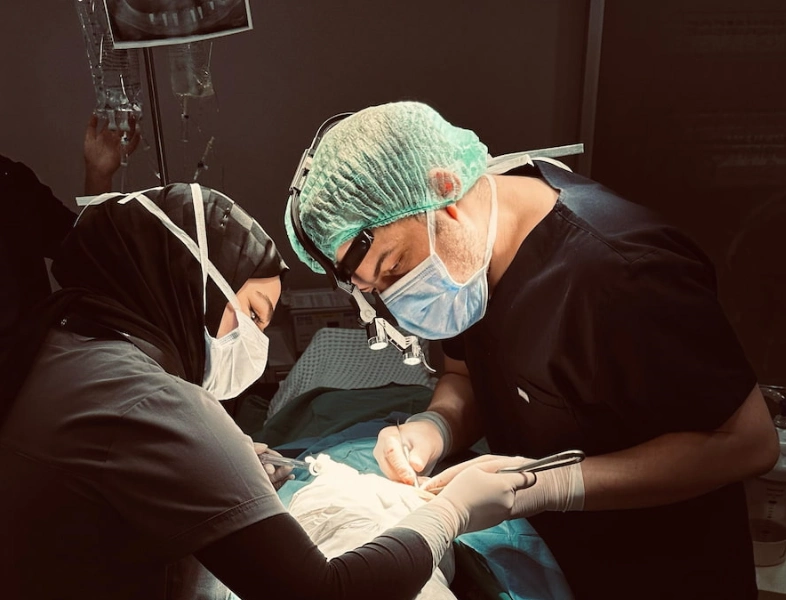
Even before the production of lab-grown teeth, innovations in regenerative medicine can already be experienced by patients coming to LEMA Dental Clinic through:
- Platelet-Rich Plasma (PRP) and PRF: Speeds natural healing after implant surgery.
- Guided Bone Regeneration: Prepares the jawbone for implant placement by making it stronger.
- Stem Cell-Based Healing Boosters: Provides quick recovery after dental surgery.
- Digital Treatment Planning: Makes every restoration precise and stable in the long run.
These methods are based on the same scientific principles that will be implemented in the clinical realization of lab-grown teeth.
The Future of Natural Tooth Replacement
The concept of creating new teeth is no longer a far-fetched story but a serious scientific mission. When that day comes, it will be one of the most significant revolutions in dental history. Dentists will not see tooth loss as permanent anymore, rather, they will recognize it as an opportunity for natural regeneration.
Until that time, LEMA Dental Clinic in Istanbul is still leading the way in advanced implantology and aesthetic smile design, which is how the clinic is making thousands of patients regain their confidence year after year via safe, evidence-based treatments.
The clinic’s attitude is already the next generation of dentistry’s spirit — science, precision, and artistry are the means by which it creates smiles for people’s lifetime. It can be zirconium crowns, dental implants, or full-mouth restorations.
Sources:
- Yelick, P. C., & Sharpe, P. T. (2019). Tooth bioengineering and regenerative dentistry. Journal of Dental Research, 98(11), 1173-1182.
- Sui, Y., et al. (2025). The comprehensive progress of tooth regeneration from the viewpoint of clinical translation. Cell Regeneration, 14(1), https://link.springer.com/article/10.1186/s13619-025-00249-7
- Torizal, F. G., Noorintan, S. T., & Gania, Z. (2024). Bioengineering tooth and periodontal organoids from stem and progenitor cells. Organoids, 3(4), 247-265. doi:10.3390/organoids3040015. MDPI
- Ostrovidov, S., et al. (2023). Bioprinting and biomaterials for dental alveolar tissue regeneration. Frontiers in Bioengineering and Biotechnology, 11, article 991821. Frontiers
- Zhang, W., et al. (2025). In vivo bioengineered tooth formation using decellularized extracellular matrix scaffolds. Stem Cell Translational Medicine, 14(2), szae076.
- Farjood, E. (2019). Tooth bioengineering: A window to the future of dentistry. (lecture / review). IOMC World Journal. iomcworld.org
Frequently Asked Questions About Lab-Grown Teeth
Yes, scientists can now grow early-stage tooth structures using stem cells in laboratory settings. This process, called bioengineering, is the foundation of future natural tooth replacement.
Yes, lab-grown teeth are made of real biological tissue grown from stem cells, designed to replicate natural enamel, dentin, and pulp.
Eventually, yes. However, for now, dental implants remain the most reliable and safe replacement option for missing teeth, offering strong stability and natural aesthetics while research on lab-grown teeth continues to progress toward clinical use.
Japanese researchers are using a special antibody drug (USAG-1) that reactivates tooth development genes. The therapy has shown success in animal models and may reach human trials soon.
Experts estimate human use could begin around 2030, depending on regulatory approval and cost. Until then, advanced implants and restorative treatments at Lema Dental Clinic remain the best solution.
In the future, yes. Bioengineered mini-tooth tissues might replace damaged enamel or dentin instead of traditional fillings. Current research focuses on regenerating small sections of tooth tissue before full tooth growth.
Modern dentistry offers alternatives such as biocompatible resin restorations, inlays, or veneers depending on the severity of decay. At LEMA Dental Clinic, the most suitable option is chosen to ensure both health and aesthetics.

