


Yes, denture adhesive can sometimes cause dry mouth by trapping saliva and irritating gums.
Here in Turkey, it is a common sight in our consultation rooms that quite a few clients come with a quite baffling issue: their mouths feel completely dry. They compare it to the sensation of swallowing dry sand. But then a fact to remember is that no tooth replacement, in any case, should be a sacrifice of your comfort day by day. You may have to resort to dental paste for the retention of your teeth when eating; however, let us examine deeper how the paste is actually functioning. Is the daily use of the fixative the cause of your dry mouth?
At Lema Dental Clinic, based on our clinical experience, we notice this problem repeatedly. Patients keep on drinking excessive amounts of water. However, they fail to address the root cause, which is right next to their gums.
How Dental Fixatives Interact with Saliva
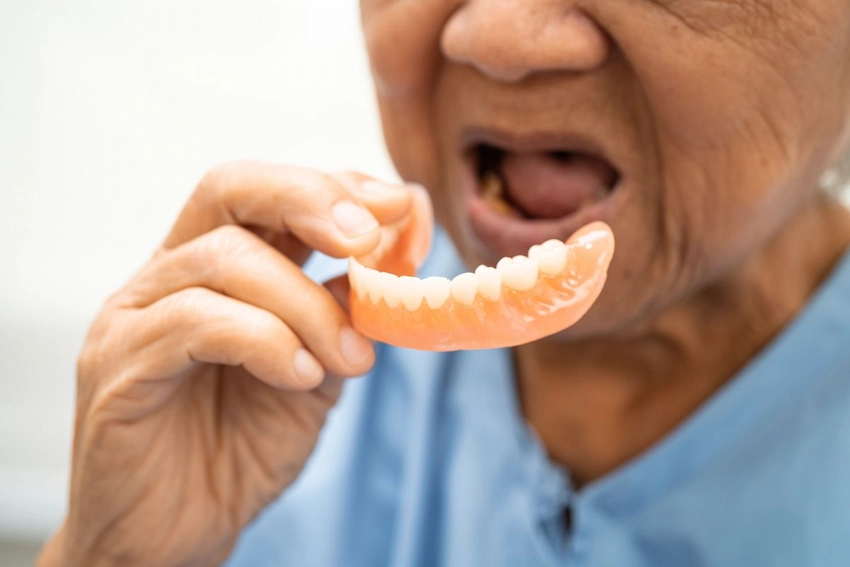
Understanding how these products work is the very first step to learning about this. Imagine your gums as a patch of land in a garden. Your natural saliva will be the rain. Denture adhesives are made with components that absorb moisture. To get sticky, these products have to draw moisture from the environment.
They behave like a minuscule, invisible sponge. This sponge is located between the hard plastic denture and the soft gum tissue of a person. It works by pulling moisture straight from your natural saliva reserves. For an individual who already has reduced salivation, this sudden absorption of moisture causes them to have severe dry mouth.
Professor Doctor Coşkun Yıldız frequently points out that adhesives are only a temporary solution. They completely throw off your mouth’s fine balance. On the surface, they simply hold a plastic dental prosthesis. Beneath that, they change the way fluids refer to the oral cavity.
The Chemical Culprits
Besides the physical sponge effect, it is drying you out chemically. Still, the questions are: what exactly is inside that tube?
Several of the store-bought pastes have the following ingredients:
- Artificial flavorings: Some ingredients, like a strong min,t can cause dryness of the tissues.
- Preservatives: Chemicals added to maintain the product for a long time without changes.
- Zinc and binding agents: Elements that maintain your delicate gums.
When these chemicals remain on your tissues all day long, they cause a low-grade inflammation. It is a silent swelling that acts as the biological roadblock telling your salivary glands to slow down their production.
Traditional Dentures vs. Permanent Solutions
Here is what happens in the clinic: dependence on pastes is a pretty dreadful situation. Eventually, the jawbone shrinks. Dentures start to fit badly. The patient uses more and more
adhesive. This leads to a cycle of dryness and pain.
| Feature | Traditional Dentures | Implant-Supported Teeth |
| Saliva Impact | Absorbs moisture, causes dry mouth | Preserves your natural saliva flow |
| Bone Health | Speeds up bone loss over time | Stimulates bone, preventing facial collapse |
| Bite Force | Weak bite strength | Restores your natural chewing power |
| Daily Routine | Messy removal and gluing | Brush and clean like natural teeth |
Breaking the Cycle of Dry Mouth
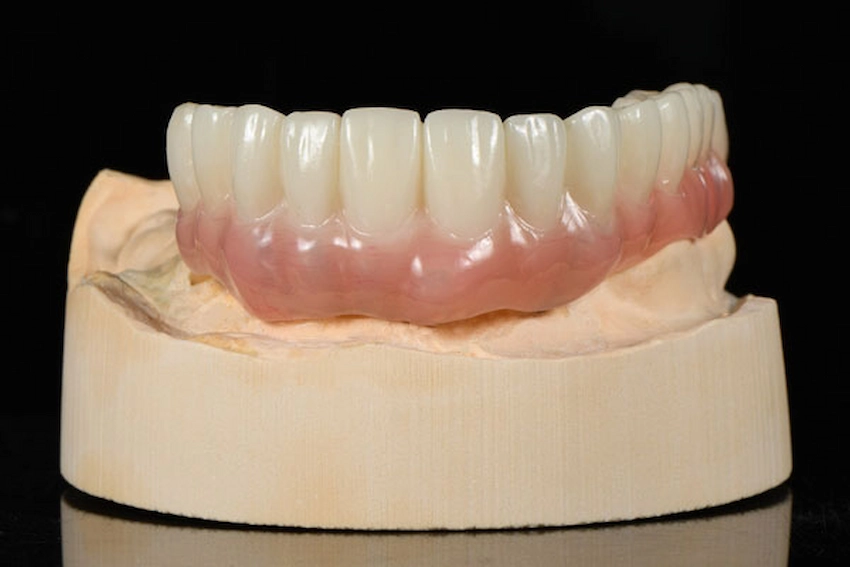
Just as a strong steel foundation is essential for the structure of a building, in the same way, a healthy jawbone requires constant physical pressure for its maintenance. The only pressure the gums get from dentures is their weight.
Dentist Polen Akkılıç and her team are skilled at converting clients from denture use only to implants. They conduct dental implant procedures in Turkey, which are so advanced that glues are completely excluded from the process. Methods such as All-on-4 implants or Zirconium crowns are set solidly on a titanium base.
Removal of the plastic plate from the roof of the mouth is followed by a round of magic. The adhesive will be discarded. Yet, patients very often happen to notice the restoration of their natural saliva coming like a breeze after that.
Frequently Asked Questions
Why is my mouth so dry at night after taking my dentures out?
Adhesives that soak up moisture will make your salivary glands work double-time during the day, so eventually, these glands completely run out of saliva. Your glands won’t be refreshed immediately, even after you take off the plate and wash the glue. It takes hours to replenish the moisture in your mouth.
Can dry mouth actually cause my dentures to become loose?
Certainly. Unfortunately, it is a trap. Natural saliva creates a suction effect between your plastic plate and your gums. If the mouth is very dry, then the suction disappears. Denture slips,s thus it is time for glue again. This will dry you out later on.
Are there specific adhesive brands that won’t cause dry mouth?
There are no such things. Even if some natural products are gentler to your gums, they all need some liquid to be sticky. Therefore, all of them will take your natural saliva. ‘Hydrating adhesive’ is an oxymoron.
How does getting implants at Lema Dental Clinic fix the dryness issue?
Implants are the same as the roots of natural teeth. Your new teeth are linked to these strong titanium roots. Because your teeth are secured with screws, adhesives are no longer necessary. Now, no plastic dentures will be covering the roof of your mouth. Your main salivary glands are left free to perform their function without any blockage.
What home remedies can I use right now for the dryness?
Initially, you should try to wipe out any glue residue in your gums overnight with warm water and a gentle toothbrush. Continue drinking water throughout the day. Avoid mouthwashes with alcohol since they will dry you out. Sugar-free hard candies, apart from increasing saliva secretion, can be really beneficial when you are exploring implant solutions.
Academic References
- Turner, M. D., & Ship, J. A. (2007). Dry mouth and its effects on the oral health of elderly people. The Journal of the American Dental Association, 138, 15S-20S.
- Grasso, J. E. (2004). Denture adhesives: changing attitudes. The Journal of the American Dental Association, 135(1), 95-96.
- Coates, C., & Tomas, I. (2018). The impact of denture adhesives on the oral microbiome and salivary flow: a systematic review. Journal of Prosthodontic Research, 62(4), 405-412.
- Närhi, T. O., Meurman, J. H., & Ainamo, A. (1999). Xerostomia and hyposalivation: causes, consequences,s and treatment in the elderly. Drugs & Aging, 15(2), 103-116.
- Polzer, I., Schimmel, M., Müller, F., & Biffar, R. (2010). Edentulism is part of the general health problems of elderly adults. International Dental Journal, 60(3), 143-155.

