Worn teeth is a familiar dilemma among those who grow older. The causes are multiple: from daily habits, to age, to other hidden reasons, worn teeth may lead to uneasiness, aesthetic problems, even to more serious issues in dental health, repairing the worn teeth is a must. But those who are suffering from this have nothing to worry about since a variety of means for the restoration of the shape and function of the worn teeth are accessible.
This review is focused on the reasons why teeth get worn, the ways for their repair, and the preventive measures that should be taken not to have more problems and to keep the teeth robust and healthy.
What Causes Teeth to Wear Down?
The way teeth wear down has some differences as it may happen under different circumstances. The obvious cause is bruxism that mostly happens while one is sleeping. It may also be followed by stress, anxiety, or incorrect teeth contact. The rubbing and pressure coming from the teeth will destroy the exterior enamel. Thus, your teeth will have an even surface, will be broken, or will get big cracks.
Aside from the aforementioned causes, acid erosion is also a common factor in tooth wear. The smoothening of the enamel layer caused by the acidic components of different types of food and drinks is what is referred to as acid erosion. The recommended foods and/or drinks to avoid are those that are highly acidic such as grapefruit, soda, or the consumption of wines. This process may eventually lead to one’s teeth becoming prone to injury, which can also be manifested visually through erosion lines. It will help repair worn teeth.
The problem is aggravated by the lack of individuals’ proper oral hygiene. The aforementioned result of a tartar deposit caused by too much plaque can now leach the first coating of teeth — the enamel — and cause it to disintegrate. The damage could happen if the issue is not addressed properly.
Another factor is the inevitable loss, throughout life, of the enamel through aging. The natural process of aging, besides causing discoloration and agitation, is the main reason behind the decrease in the enamel thickness of the teeth. Some uneven wear as a result of the wrong position of teeth or tonsure can also generate various problems with teeth.
How to Repair Worn Teeth?
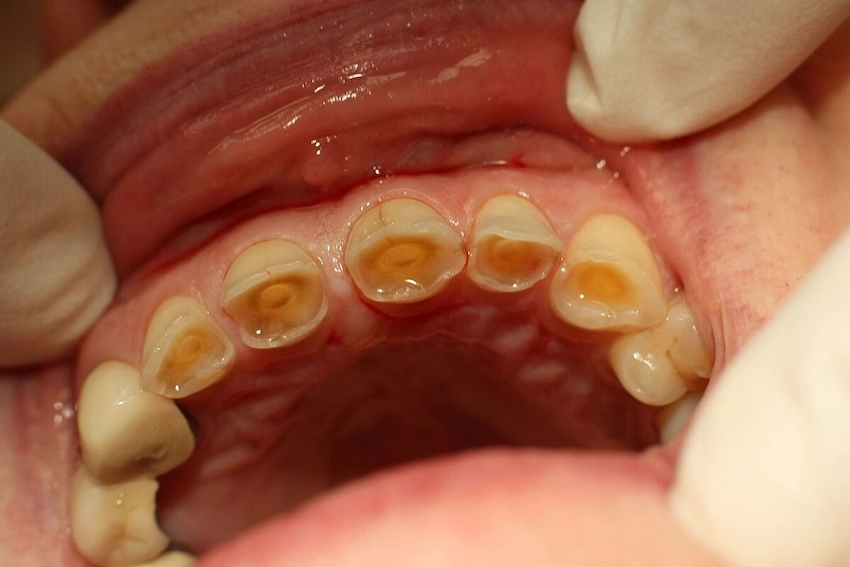
A dentist can recommend many treatment measures to repair worn teeth . The severity of the tooth damage will determine the option that will be used by the dentist.
- If it is a minor wear, a filling can be put in to restore the tooth’s shape and function. Composites or porcelain fillings are the most commonly used as they are tooth-colored and are almost invisible.
- However, in cases where the teeth were extremely worn out or were weakened by decay, stronger and additionally protected crowns are a solution. Crowns cover the whole tooth and, with them, the original tooth size and shape will also be restored. Usually, the materials the dentist prefers to use are porcelain or ceramics for the natural look, besides, with the proper care, crowns can last for many years.
- Those who have more cosmetic issues repairing the worn teeth, dental veneers might be an ideal choice. These wafer-thin, tailor-made covers are adhered to the teeth’ front side so that their look is changed, and there are no traces of the wear visible. By getting veneers done, you can fix any broken, scratched, or discolored teeth which will result in a smoother and younger look for you.
- Another choice for small chips and cracks bonding. The dentist, using a tooth-colored composite, shielding the impaired area, makes the tooth ready, after shaping, source the light and harden the material. The light-curing of the resin made tooth bonding is the solution recommended for the dental imperfection.
- As for misalignments, the orthodontic treatment can be of good help. The use of braces or clear aligners can straighten a person’s bite, distribute the received pressure evenly, and significantly reduce the impact of further damage from wear.
After the teeth are aligned properly, the normal function as well as appearance of the teeth can be restored through the dental treatments like crowns, veneers, etc. Repairing the worn teeth can be done through this.
How to Prevent Teeth from Wearing Down
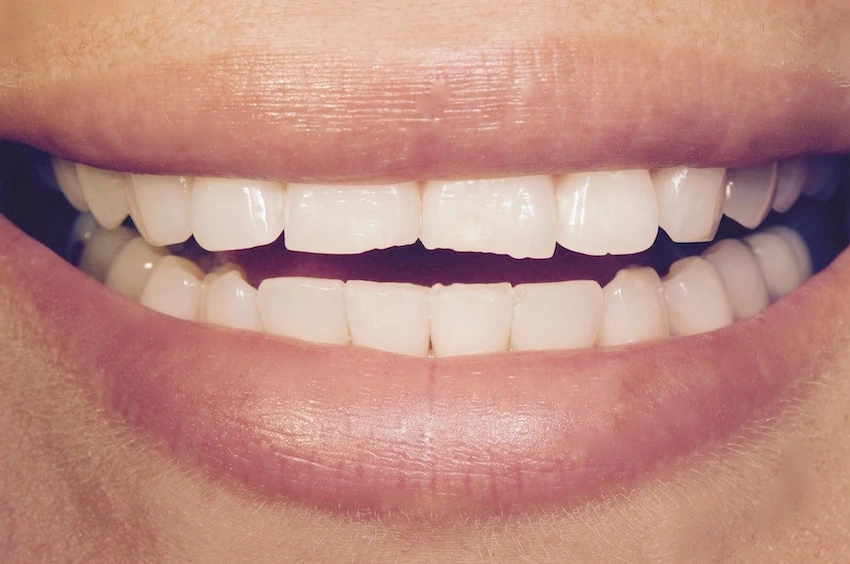
Preventing worn teeth is a thing you can do by having good habits as well as visiting the dentist regularly. Preventing the worn teeth is easier than repairing the worn teeth. These are some of the steps that can help to reduce the risk of worn teeth.
The use of a night guard, in the case of those who grind their teeth at night, is non-negotiable. It is these custom-made mouthguards that provide the much-needed safety from the grinding the teeth undergo during the entire night without the individual being conscious.
In order to avoid your enamel being destroyed by acid erosion, you must limit the intake of acidic food and beverages. Even if you consume such food and drinks, always rinse your mouth with water to neutralize the acid afterward.
Drinking substantial amounts of water during the day has added significance as it helps maintain the wetness of the oral cavity thus causing more saliva to be produced. Saliva can remove food and acid, which can be used to lower the chance of teeth damage in our mouth.
FAQs About Repairing Worn Teeth
Yes, worn teeth can be repaired using various treatments such as fillings, crowns, veneers, bonding, or orthodontics, depending on the severity of the damage.
The cost varies based on the treatment required. Simple procedures like bonding are more affordable, while crowns, veneers, and orthodontic treatments may be more expensive. It’s best to consult your dentist for a personalized quote.
Unfortunately, once enamel is worn down, it cannot be reversed. However, restorative treatments like veneers or crowns can help restore the function and appearance of your teeth.
To prevent worn teeth, wear a night guard if you grind your teeth, avoid acidic foods and drinks, maintain good oral hygiene, and address any misalignment issues early on with orthodontic treatment.
Yes, teeth grinding can cause significant damage over time, including worn enamel, cracked teeth, and even tooth loss. Using a night guard can help prevent permanent damage.