

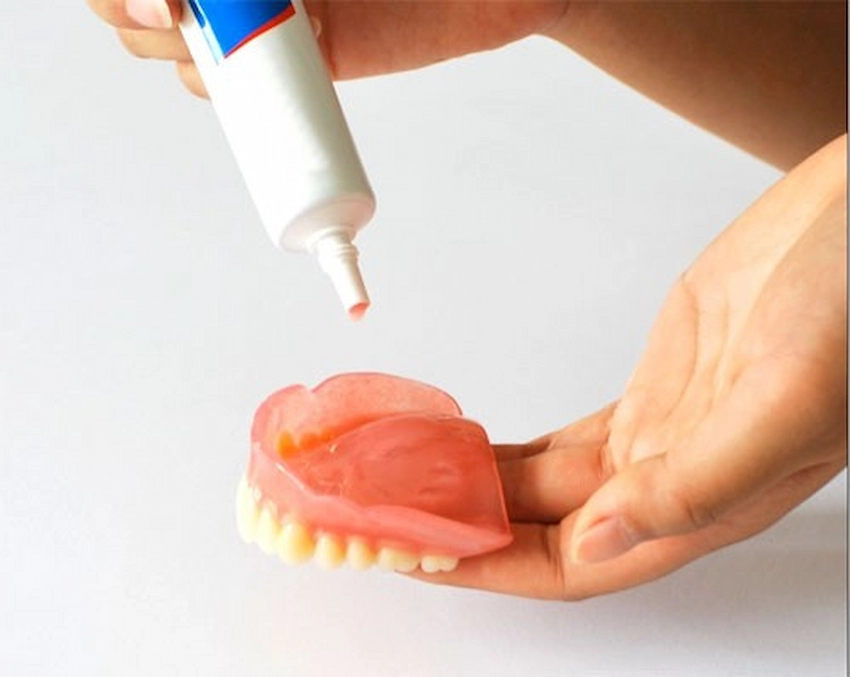
Waarom is zink in prothesekleefmiddel schadelijk voor u?
Te veel zink in kleefpasta voor kunstgebitten kan zenuwproblemen, gevoelloosheid en zwakte veroorzaken.
Een lichte tinteling is hoe het allemaal begint. U merkt misschien slechts een lichte gevoelloosheid in uw ledematen. De meeste mensen doen dit af als ouderdom. Dat lichte gevoel zal echter al snel het eerste teken zijn van zenuwschade. Het aanbrengen van kleefmiddel voor kunstgebitten is zo'n onschuldige ochtendactiviteit die de verandering teweeg kan brengen. Miljoenen mensen zijn al decennialang afhankelijk van pasta's om hun loszittende kunstgebitten op hun plaats te houden. De veranderende vorm van uw kaakbot zorgt ervoor dat kunstgebitten losraken en verschuiven. De standaardoplossing is om meer pasta aan te brengen. Het is echter waardevoller om precies te achterhalen wat die tube eigenlijk bevat.De Verborgen Chemie van Kunstgebitcrèmes
Een Betere Zorgstandaard in Turkije
Hier is het verhaal uit de praktijk: Patiënten komen, volgens Professor Doctor Coşkun Yıldız, uitgeput aan bij Lema Dental Clinic, Istanbul, Turkije. Naast het ongemak van loszittende kunstgebitten hebben ze gezondheidsproblemen die ze nooit in verband hebben gebracht met hun mondgezondheid; normaal gesproken zijn symptomen zoals een slecht evenwicht, diepe vermoeidheid en gevoelloosheid in de handen aanwezig. Om het probleem met het vastzetten van kunstgebitten in context te plaatsen: het misbruik van een zinkhoudende kunstgebitcrème is vergelijkbaar met het repareren van een gebroken fundering met een rol ducttape. In plaats van voortdurend schadelijke pasta's te gebruiken, ontmoedigen Tandarts Polen Akkılıç en haar klinische team patiënten van uitneembare kunststof. Wij plannen, ontwerpen en implementeren permanente, veilige oplossingen. Geavanceerde behandelingen zoals Zygomatische implantaten, All-on-4 en All-on-6 creëren een solide basis. U kunt genieten van het comfort van veilige tanden zonder enig gebruik van kleefmiddelen.De Klinische Vergelijking
| Kenmerk | Zinkhoudende Kunstgebitkleefpasta | Permanente Implantaten (All-on-4/All-on-6) |
| Toxiciteitsrisico | Zeer hoog bij dagelijks overmatig gebruik | Absoluut geen |
| Botgezondheid | Het veroorzaakt continu botverlies | Het stimuleert en onderhoudt de botvorming |
| Bijtkracht | Ongeveer 20% van de kracht van natuurlijke tanden | Maar liefst 95% van de kracht van natuurlijke tanden |
| Dagelijkse Verzorging | Het aanbrengen van de pasta en het weken van het kunstgebit is een gedoe | U kunt uw tanden eenvoudig regelmatig poetsen en flossen |
| Mondgevoel | Het gehemelte is bedekt met de pasta | Het gehemelte blijft vrij |
Veelgestelde Vragen
Academische Referenties
- Nations, S. P., Boyer, P. J., Love, L. A., Burritt, M. F., Butz, J. A., Wolfe, G. I., ... & Trivedi, J. R. (2008). Denture cream: an unusual source of excess zinc, leading to hypocupremia and neurologic disease. Neurology, 71(9), 639-643.
- Willis, M. S., Monaghan, S. A., Miller, M. L., Holmes, R. W., Huffines, A. K., King, R. M., ... & Kroft, S. H. (2005). Zinc-induced copper deficiency: a report of three cases initially recognized on bone marrow examination. American Journal of Clinical Pathology, 123(1), 125-131.
- Spinazzi, M., De Lazzari, F., Tavolato, B., Angelini, C., Manara, R., & Armani, M. (2007). Myeloneuropathy after prolonged exposure to zinc-based denture adhesive. Archives of Neurology, 64(7), 1030-1033.
- Hedera, P., Peltier, A., Fink, J. K., Wilcock, S., London, Z., & Brewer, G. J. (2009). Myelopolyneuropathy and pancytopenia due to copper deficiency and high zinc levels of unknown origin II. The denture cream anomaly. Medical Hypotheses, 73(6), 901-903.
- Al-Nuaimi, Y., & O'Reilly, D. (2018). Denture adhesives: A clinical review. British Dental Journal, 225(9), 834-840.
Veelgestelde vragen
How do I know if my denture cream is making me sick?
Doctor's Answer: Pay attention to how your body is reacting. Usually, the nervous system is where the copper deficiency will first become visible. Numbness and tingling as well as imbalance are signs to look out for. Stop the product immediately and then talk to your doctor about some blood work.
Is a zinc-free adhesive completely safe?
Doctor's Answer: The zinc-free products will definitely be a safer choice as far as the regulation of your nervous system is concerned. However, they are merely temporary solutions. When you need an adhesive to keep your teeth in place, it means your jawbone has undergone atrophy. Your denture is not fitting properly any longer. At this point, you are treating a symptom and not an actual disease.
Are dental implants really a safer choice?
Doctor's Answer: That is a certainty. To be exact, dental implants are made out of titanium, which is a safe, biocompatible material. This metal is fused directly to your natural bone only. No toxic chemicals, no messy pastes, and no slipping plastics will be involved in this procedure. It is the most natural way to get your real teeth back.
What happens during treatment at your clinic?
Doctor's Answer: We will be your companions on this journey from start to finish. Our first encounter will involve an introduction to the latest scanning technology. The proceeding to placement of implants and the fabrication of the patient’s Zirconium fixed bridge. Our record is filled with patients who had loose dentures, and a few days after, they have a permanent and beautiful smile.
Will I ever need to buy adhesive again?
Doctor's Answer: Absolutely not. That is the main advantage of the All-on-4 system. Your new teeth will be tightly anchored to your implants. You can handle crisp apples with total confidence and no need for denture adhesive at the same time. In other words, the days of purchasing denture paste are long gone for you.