

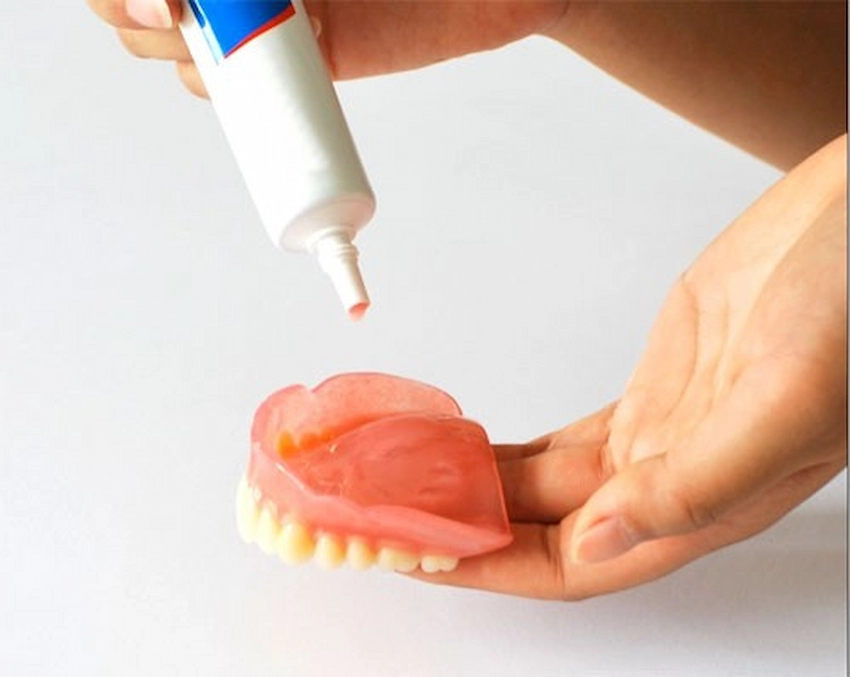
Kodėl cinkas dantų protezų klijuose yra kenksmingas jums?
Per didelis cinko kiekis dantų protezų klijuose gali sukelti nervų problemas, tirpimą ir silpnumą.
Švelnus dilgčiojimo pojūtis – taip viskas prasideda. Galite pastebėti tik nedidelį galūnių tirpimą. Dauguma žmonių tai tiesiog nurašo senėjimui. Tačiau tas nedidelis pojūtis netrukus taps pirmuoju nervų pažeidimo ženklu. Protezų klijai yra viena iš tokių nekalta ryto veikla, kuri gali sukelti pokyčius. Milijonai žmonių dešimtmečius pasitikėjo pastomis, kad išlaikytų savo laisvus dantų protezus vietoje. Keičiantis žandikaulio kaulo formai, dantų protezai atsilaisvina ir pradeda slidinėti. Įprastas sprendimas yra užtepti daugiau pastos. Tačiau verta tiksliai išsiaiškinti, kas iš tikrųjų yra tame tūbelėje.Paslėpta dantų protezų kremų chemija
Geresnis priežiūros standartas Turkijoje
Štai istorija iš praktikos: pacientai atvyksta į Lema Dental Clinic, Stambule, Turkijoje, nepaprastai pavargę, pasak profesoriaus daktaro Coşkun Yıldız. Be nepatogumų dėl slidinėjančių dantų protezų, jie turi sveikatos problemų, kurių niekada nesiejo su savo burnos sveikata; paprastai pasireiškia tokie simptomai kaip prasta pusiausvyra, didelis nuovargis ir rankų tirpimas. Norint įvertinti dantų protezų tvirtinimo problemą, cinko pagrindo dantų protezų kremo netinkamas naudojimas yra panašus į sulaužyto pamato tvirtinimą lipnios juostos ritiniu. Užuot nuolat naudojus kenksmingas pastas, odontologė Polen Akkılıç ir jos klinikinė komanda atkalbinėja pacientus nuo nuimamų plastikinių protezų. Mes planuojame, projektuojame ir įgyvendiname nuolatinius, saugius sprendimus. Pažangūs gydymo būdai, tokie kaip zigomatiniai implantai, All-on-4 ir All-on-6, sukuria tvirtą pagrindą. Galite mėgautis saugių dantų komfortu be jokio klijų naudojimo.Klinikinis palyginimas
| Savybė | Cinko pagrindo dantų protezų klijai | Nuolatiniai implantai (All-on-4/All-on-6) |
| Toksiškumo rizika | Labai didelė kasdien perdozuojant | Jokios |
| Kaulų sveikata | Sukelia nuolatinį kaulų nykimą | Skatina ir palaiko kaulų formavimąsi |
| Kandimo jėga | Apie 20 % natūralių dantų jėgos | Iki 95 % natūralių dantų jėgos |
| Kasdienė priežiūra | Klijų tepimas ir protezų mirkymas yra nepatogus | Galite tiesiog reguliariai valytis dantis šepetėliu ir siūlu |
| Jausmas burnoje | Burnos gomurys padengtas klijais | Burnos gomurys lieka atviras |
Dažnai užduodami klausimai
Akademinės nuorodos
- Nations, S. P., Boyer, P. J., Love, L. A., Burritt, M. F., Butz, J. A., Wolfe, G. I., ... & Trivedi, J. R. (2008). Denture cream: an unusual source of excess zinc, leading to hypocupremia and neurologic disease. Neurology, 71(9), 639-643.
- Willis, M. S., Monaghan, S. A., Miller, M. L., Holmes, R. W., Huffines, A. K., King, R. M., ... & Kroft, S. H. (2005). Zinc-induced copper deficiency: a report of three cases initially recognized on bone marrow examination. American Journal of Clinical Pathology, 123(1), 125-131.
- Spinazzi, M., De Lazzari, F., Tavolato, B., Angelini, C., Manara, R., & Armani, M. (2007). Myeloneuropathy after prolonged exposure to zinc-based denture adhesive. Archives of Neurology, 64(7), 1030-1033.
- Hedera, P., Peltier, A., Fink, J. K., Wilcock, S., London, Z., & Brewer, G. J. (2009). Myelopolyneuropathy and pancytopenia due to copper deficiency and high zinc levels of unknown origin II. The denture cream anomaly. Medical Hypotheses, 73(6), 901-903.
- Al-Nuaimi, Y., & O'Reilly, D. (2018). Denture adhesives: A clinical review. British Dental Journal, 225(9), 834-840.
Dažniausiai užduodami klausimai
How do I know if my denture cream is making me sick?
Doctor's Answer: Pay attention to how your body is reacting. Usually, the nervous system is where the copper deficiency will first become visible. Numbness and tingling as well as imbalance are signs to look out for. Stop the product immediately and then talk to your doctor about some blood work.
Is a zinc-free adhesive completely safe?
Doctor's Answer: The zinc-free products will definitely be a safer choice as far as the regulation of your nervous system is concerned. However, they are merely temporary solutions. When you need an adhesive to keep your teeth in place, it means your jawbone has undergone atrophy. Your denture is not fitting properly any longer. At this point, you are treating a symptom and not an actual disease.
Are dental implants really a safer choice?
Doctor's Answer: That is a certainty. To be exact, dental implants are made out of titanium, which is a safe, biocompatible material. This metal is fused directly to your natural bone only. No toxic chemicals, no messy pastes, and no slipping plastics will be involved in this procedure. It is the most natural way to get your real teeth back.
What happens during treatment at your clinic?
Doctor's Answer: We will be your companions on this journey from start to finish. Our first encounter will involve an introduction to the latest scanning technology. The proceeding to placement of implants and the fabrication of the patient’s Zirconium fixed bridge. Our record is filled with patients who had loose dentures, and a few days after, they have a permanent and beautiful smile.
Will I ever need to buy adhesive again?
Doctor's Answer: Absolutely not. That is the main advantage of the All-on-4 system. Your new teeth will be tightly anchored to your implants. You can handle crisp apples with total confidence and no need for denture adhesive at the same time. In other words, the days of purchasing denture paste are long gone for you.