

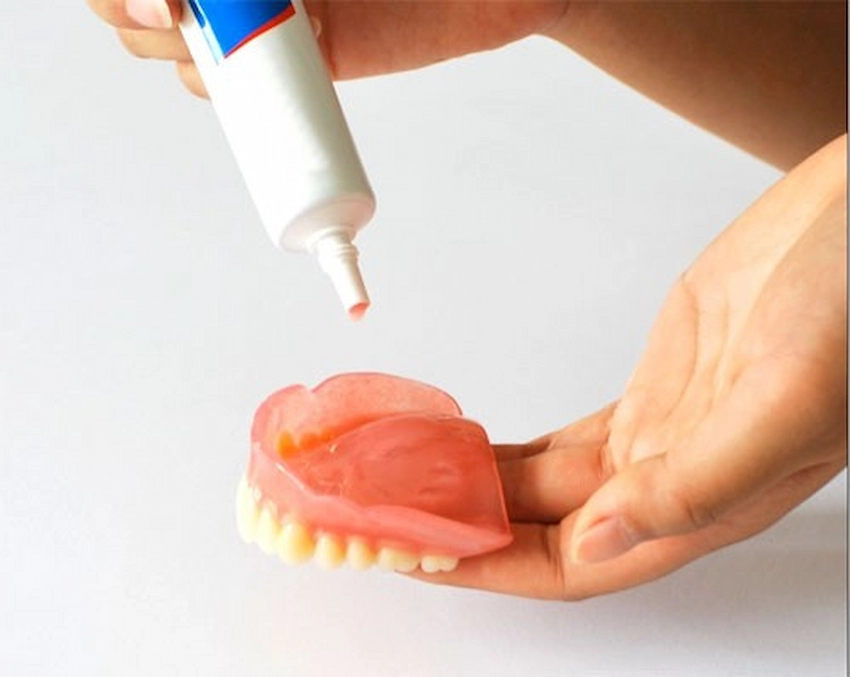
Dlaczego cynk w kleju do protez zębowych jest szkodliwy?
Zbyt duża ilość cynku w kleju do protez może powodować problemy neurologiczne, drętwienie i osłabienie.
Łagodne mrowienie to początek wszystkiego. Możesz zauważyć jedynie lekkie drętwienie kończyn. Większość ludzi po prostu zrzuca to na wiek. Jednak to lekkie uczucie wkrótce stanie się pierwszym objawem uszkodzenia nerwów. Stosowanie kleju do protez to jedna z takich niegroźnych porannych czynności, która może doprowadzić do zmian. Miliony ludzi przez dziesięciolecia polegały na pastach, aby utrzymać luźne protezy na miejscu. Zmieniający się kształt kości szczęki powoduje, że protezy stają się luźne i ślizgają się. Standardowym rozwiązaniem jest nałożenie większej ilości pasty. Jednak bardziej opłacalne jest dokładne sprawdzenie, co faktycznie zawiera ta tubka.Ukryta chemia kremów do protez
Wyższy standard opieki w Turcji
Oto historia z praktyki: Pacjenci przybywają do Lema Dental Clinic w Stambule w Turcji, niezwykle zmęczeni, według Profesora Doktora Coşkuna Yıldıza. Oprócz niedogodności związanych z ślizgającymi się protezami, mają problemy zdrowotne, których nigdy nie wiązali ze zdrowiem jamy ustnej; zazwyczaj występują objawy takie jak słaba równowaga, głębokie zmęczenie i drętwienie rąk. Aby umieścić problem z mocowaniem protez w odpowiednim kontekście, niewłaściwe użycie kremu do protez na bazie cynku jest podobne do naprawiania uszkodzonego fundamentu za pomocą rolki taśmy klejącej. Zamiast ciągłego używania szkodliwych past, Dentystka Polen Akkılıç i jej zespół kliniczny odradzają pacjentom ruchome protezy. Planujemy, projektujemy i wdrażamy trwałe, bezpieczne rozwiązania. Nowoczesne metody leczenia, takie jak implanty jarzmowe, All-on-4 i All-on-6 tworzą solidne podstawy. Możesz cieszyć się komfortem posiadania stabilnych zębów bez żadnego użycia klejów.Porównanie kliniczne
| Cecha | Klej do protez na bazie cynku | Implanty stałe (All-on-4/All-on-6) |
| Ryzyko toksyczności | Bardzo wysokie w przypadku codziennego nadużywania | Żadne |
| Zdrowie kości | Powoduje ciągłą utratę kości | Wyzwalają i utrzymują tworzenie się kości |
| Siła zgryzu | Około 20% siły naturalnych zębów | Aż do 95% siły naturalnych zębów |
| Codzienna pielęgnacja | Nakładanie pasty i moczenie protez to bałagan | Możesz po prostu regularnie szczotkować i nitkować zęby |
| Odczucia w jamie ustnej | Podniebienie jest pokryte pastą | Podniebienie pozostaje odsłonięte |
Często Zadawane Pytania
Piśmiennictwo naukowe
- Nations, S. P., Boyer, P. J., Love, L. A., Burritt, M. F., Butz, J. A., Wolfe, G. I., ... & Trivedi, J. R. (2008). Denture cream: an unusual source of excess zinc, leading to hypocupremia and neurologic disease. Neurology, 71(9), 639-643.
- Willis, M. S., Monaghan, S. A., Miller, M. L., Holmes, R. W., Huffines, A. K., King, R. M., ... & Kroft, S. H. (2005). Zinc-induced copper deficiency: a report of three cases initially recognized on bone marrow examination. American Journal of Clinical Pathology, 123(1), 125-131.
- Spinazzi, M., De Lazzari, F., Tavolato, B., Angelini, C., Manara, R., & Armani, M. (2007). Myeloneuropathy after prolonged exposure to zinc-based denture adhesive. Archives of Neurology, 64(7), 1030-1033.
- Hedera, P., Peltier, A., Fink, J. K., Wilcock, S., London, Z., & Brewer, G. J. (2009). Myelopolyneuropathy and pancytopenia due to copper deficiency and high zinc levels of unknown origin II. The denture cream anomaly. Medical Hypotheses, 73(6), 901-903.
- Al-Nuaimi, Y., & O'Reilly, D. (2018). Denture adhesives: A clinical review. British Dental Journal, 225(9), 834-840.
Pytania pacjentów
How do I know if my denture cream is making me sick?
Doctor's Answer: Pay attention to how your body is reacting. Usually, the nervous system is where the copper deficiency will first become visible. Numbness and tingling as well as imbalance are signs to look out for. Stop the product immediately and then talk to your doctor about some blood work.
Is a zinc-free adhesive completely safe?
Doctor's Answer: The zinc-free products will definitely be a safer choice as far as the regulation of your nervous system is concerned. However, they are merely temporary solutions. When you need an adhesive to keep your teeth in place, it means your jawbone has undergone atrophy. Your denture is not fitting properly any longer. At this point, you are treating a symptom and not an actual disease.
Are dental implants really a safer choice?
Doctor's Answer: That is a certainty. To be exact, dental implants are made out of titanium, which is a safe, biocompatible material. This metal is fused directly to your natural bone only. No toxic chemicals, no messy pastes, and no slipping plastics will be involved in this procedure. It is the most natural way to get your real teeth back.
What happens during treatment at your clinic?
Doctor's Answer: We will be your companions on this journey from start to finish. Our first encounter will involve an introduction to the latest scanning technology. The proceeding to placement of implants and the fabrication of the patient’s Zirconium fixed bridge. Our record is filled with patients who had loose dentures, and a few days after, they have a permanent and beautiful smile.
Will I ever need to buy adhesive again?
Doctor's Answer: Absolutely not. That is the main advantage of the All-on-4 system. Your new teeth will be tightly anchored to your implants. You can handle crisp apples with total confidence and no need for denture adhesive at the same time. In other words, the days of purchasing denture paste are long gone for you.