

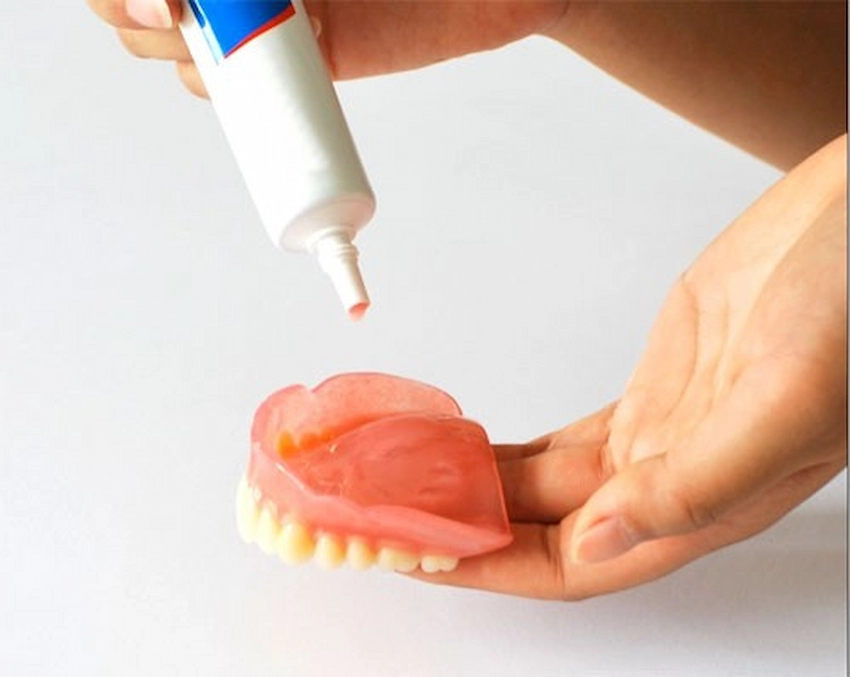
Warum ist Zink in Prothesenhaftmitteln schädlich für Sie?
Zu viel Zink in Haftcreme kann Nervenprobleme, Taubheitsgefühle und Schwäche verursachen.
Ein leichtes Kribbeln ist der Anfang. Möglicherweise bemerken Sie nur ein leichtes Taubheitsgefühl in Ihren Extremitäten. Die meisten Menschen tun dies einfach als Alterserscheinung ab. Doch dieses leichte Gefühl wird bald das erste Anzeichen für Nervenschäden sein. Die Anwendung von Haftmittel für Zahnprothesen ist eine solche harmlose Morgenroutine, die diese Veränderung herbeiführen kann. Millionen von Menschen verlassen sich seit Jahrzehnten auf Pasten, um ihre lockeren Prothesen an Ort und Stelle zu halten. Die sich verändernde Form Ihres Kieferknochens führt dazu, dass Prothesen locker werden und verrutschen. Die gängige Lösung ist, mehr Paste aufzutragen. Es ist jedoch lohnenswerter, genau herauszufinden, was diese Tube tatsächlich enthält.Die verborgene Chemie von Haftcremes
Ein besserer Versorgungsstandard in der Türkei
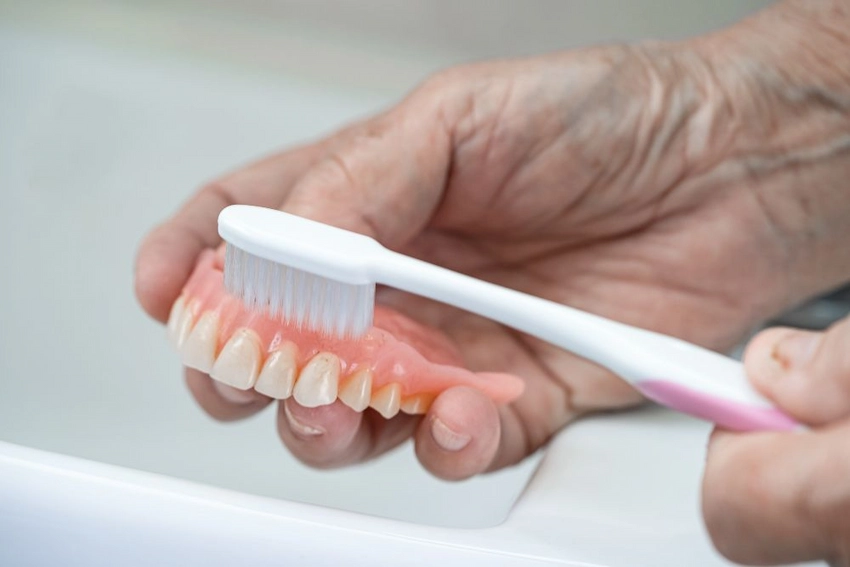
Hier ist die Geschichte aus der Praxis: Patienten kommen, so Professor Doktor Coşkun Yıldız, über alle Maßen erschöpft in der Lema Dental Clinic, Istanbul, Türkei, an. Neben den Unannehmlichkeiten durch verrutschende Prothesen haben sie gesundheitliche Probleme, die sie nie mit ihrer Mundgesundheit in Verbindung gebracht haben; typischerweise treten Symptome wie Gleichgewichtsstörungen, tiefe Müdigkeit und Taubheitsgefühle in den Händen auf. Um das Problem der Prothesenfixierung in den richtigen Kontext zu setzen: Der Missbrauch einer zinkbasierten Haftcreme ist vergleichbar mit der Reparatur eines kaputten Fundaments mit einer Rolle Klebeband. Anstatt ständig schädliche Pasten zu verwenden, raten Zahnärztin Polen Akkılıç und ihr Klinikteam Patienten von herausnehmbaren Prothesen ab. Wir planen, entwerfen und implementieren dauerhafte, sichere Lösungen. Modernste Behandlungen wie Zygoma-Implantate, All-on-4 und All-on-6 schaffen eine solide Grundlage. Sie können den Komfort fester Zähne genießen, ganz ohne Haftmittel.Der klinische Vergleich
| Merkmal | Zinkbasierte Haftcreme | Permanente Implantate (All-on-4/All-on-6) |
| Toxizitätsrisiko | Sehr hoch bei täglichem Übergebrauch | Absolut keines |
| Knochengesundheit | Verursacht kontinuierlichen Knochenabbau | Löst die Knochenbildung aus und erhält sie aufrecht |
| Beißkraft | Etwa 20 % der Kraft natürlicher Zähne | Bis zu 95 % der Kraft natürlicher Zähne |
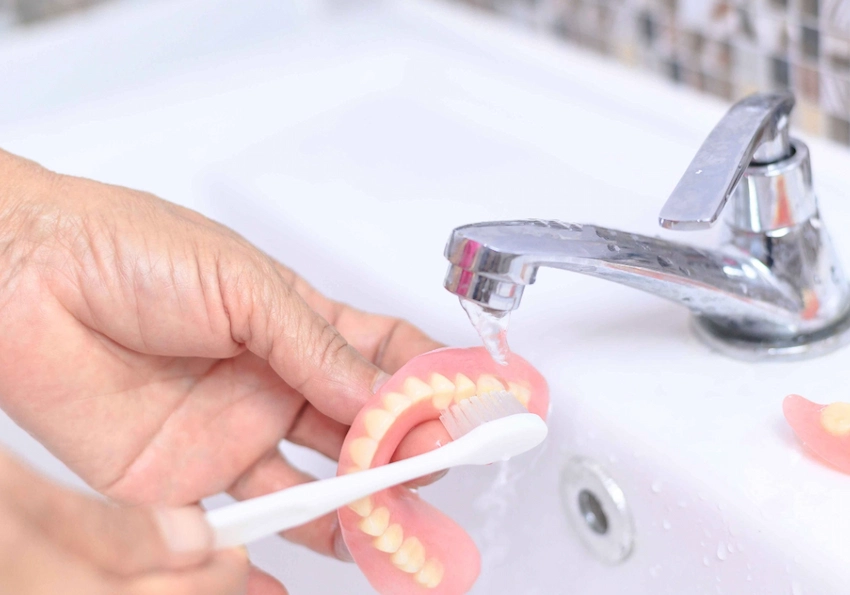
| Tägliche Pflege | Das Auftragen der Paste und das Einweichen der Prothesen ist umständlich | Sie können Ihre Zähne einfach regelmäßig putzen und Zahnseide verwenden |
| Mundgefühl | Der Gaumen ist mit der Paste bedeckt | Der Gaumen bleibt frei |
Häufig gestellte Fragen
Wissenschaftliche Referenzen
- Nations, S. P., Boyer, P. J., Love, L. A., Burritt, M. F., Butz, J. A., Wolfe, G. I., ... & Trivedi, J. R. (2008). Denture cream: an unusual source of excess zinc, leading to hypocupremia and neurologic disease. Neurology, 71(9), 639-643.
- Willis, M. S., Monaghan, S. A., Miller, M. L., Holmes, R. W., Huffines, A. K., King, R. M., ... & Kroft, S. H. (2005). Zinc-induced copper deficiency: a report of three cases initially recognized on bone marrow examination. American Journal of Clinical Pathology, 123(1), 125-131.
- Spinazzi, M., De Lazzari, F., Tavolato, B., Angelini, C., Manara, R., & Armani, M. (2007). Myeloneuropathy after prolonged exposure to zinc-based denture adhesive. Archives of Neurology, 64(7), 1030-1033.
- Hedera, P., Peltier, A., Fink, J. K., Wilcock, S., London, Z., & Brewer, G. J. (2009). Myelopolyneuropathy and pancytopenia due to copper deficiency and high zinc levels of unknown origin II. The denture cream anomaly. Medical Hypotheses, 73(6), 901-903.
- Al-Nuaimi, Y., & O'Reilly, D. (2018). Denture adhesives: A clinical review. British Dental Journal, 225(9), 834-840.
Häufige Fragen
How do I know if my denture cream is making me sick?
Doctor's Answer: Pay attention to how your body is reacting. Usually, the nervous system is where the copper deficiency will first become visible. Numbness and tingling as well as imbalance are signs to look out for. Stop the product immediately and then talk to your doctor about some blood work.
Is a zinc-free adhesive completely safe?
Doctor's Answer: The zinc-free products will definitely be a safer choice as far as the regulation of your nervous system is concerned. However, they are merely temporary solutions. When you need an adhesive to keep your teeth in place, it means your jawbone has undergone atrophy. Your denture is not fitting properly any longer. At this point, you are treating a symptom and not an actual disease.
Are dental implants really a safer choice?
Doctor's Answer: That is a certainty. To be exact, dental implants are made out of titanium, which is a safe, biocompatible material. This metal is fused directly to your natural bone only. No toxic chemicals, no messy pastes, and no slipping plastics will be involved in this procedure. It is the most natural way to get your real teeth back.
What happens during treatment at your clinic?
Doctor's Answer: We will be your companions on this journey from start to finish. Our first encounter will involve an introduction to the latest scanning technology. The proceeding to placement of implants and the fabrication of the patient’s Zirconium fixed bridge. Our record is filled with patients who had loose dentures, and a few days after, they have a permanent and beautiful smile.
Will I ever need to buy adhesive again?
Doctor's Answer: Absolutely not. That is the main advantage of the All-on-4 system. Your new teeth will be tightly anchored to your implants. You can handle crisp apples with total confidence and no need for denture adhesive at the same time. In other words, the days of purchasing denture paste are long gone for you.