


Daily care and professional visits.
Nothing compares to the allure of a genuinely natural smile. It reflects your personality, your story, and there is a kind of glow to it that no one else can have. While at Lema Dental Clinic in Turkey, we are known worldwide for our stunning smile makeovers, we are as dedicated to the preservation of smiles as we are to the innovation of new ones. Rather than always substituting, the principle is often to cherish and beautify what you already have.
Nevertheless, keeping a natural glow is not merely a concern of vanity; it is a visible sign of good health. A well-maintained mouth is an entrance to the overall good health of the body. According to our clinical experience, patients who comprehend the biology of their teeth are the ones who enjoy dazzling smiles throughout their lives.
What follows is our observation after years of interaction with patients from different parts of the world.
Defense Strategy of the Day: Your Daily Care at Home
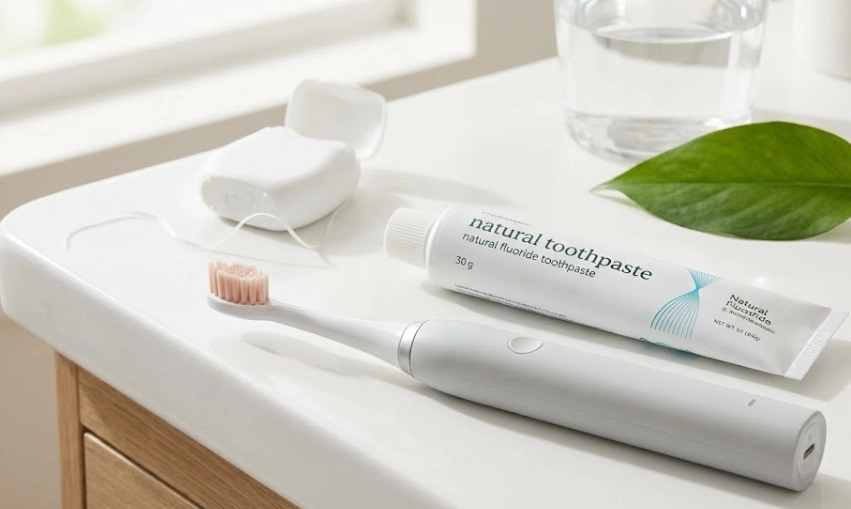
You’ve probably been reminded that many times: brush and floss. But to be honest, most people do it without thinking, and even if they do, quite often, they are doing it wrong.
Try to think of your tooth enamel as a delicate and very valuable window shield. Even though it is the hardest human body substance, it does have its vulnerabilities. So, basically, once you lose it, you lose it forever.
- How-to: If you were going to scrub so hard, stop right there! It is like stripping the paint off of a beautiful car by sanding. A soft toothbrush. Hold it at an angle of 45 degrees to the gum line. The main goal is to carefully pull away the plaque that is accumulated right at the tooth and gum junction.
- What you don’t see: Dentist Polen Akkılıç and her team find most of the patients who maintain good oral hygiene still can develop cavities if they don’t floss regularly. This is because, physically, toothbrushes cannot reach those very fine spaces, the very tight joints. Flossing mostly helps in getting rid of food particles as well as dismantling the bacterial biofilm continuously being built at those sites. By not flossing you are basically ignoring 40% of your teeth.
- Fluoride works like a remineralizing treatment; it heals the enamel internally by sealing the tiny cracks before they become holes.
The Invisible Enemies: Diet and Lifestyle Choices
You literally embody what you eat—your teeth being the first ones to witness it. Today’s diet is so rich in two things that natural tooth enamel hates—acid and pigment.
Professor Doctor Coşkun Yıldız often emphasizes that acid erosion of teeth is a very serious danger to a bright smile. With every soda pop, sports drink, or even lemon sparkling water you gulp down, you’re exposing your teeth to acid. This acid eats away at the hard mineral surface of the enamel. Thus, if you brush immediately after, you’re practically brushing away softened tooth structure.
And then you have the stains. Among the most popular culprits are coffee, tea, red wine, and dark berries, which contain color pigments called chromogens. These pigments not only linger on the surface but also get into the microscopic pores of the enamel over time, thus causing such deep discoloration that regular toothpaste does not suffice for its removal.
Less Obvious Than the Reflection in the Mirror: The Value of Professional Intervention
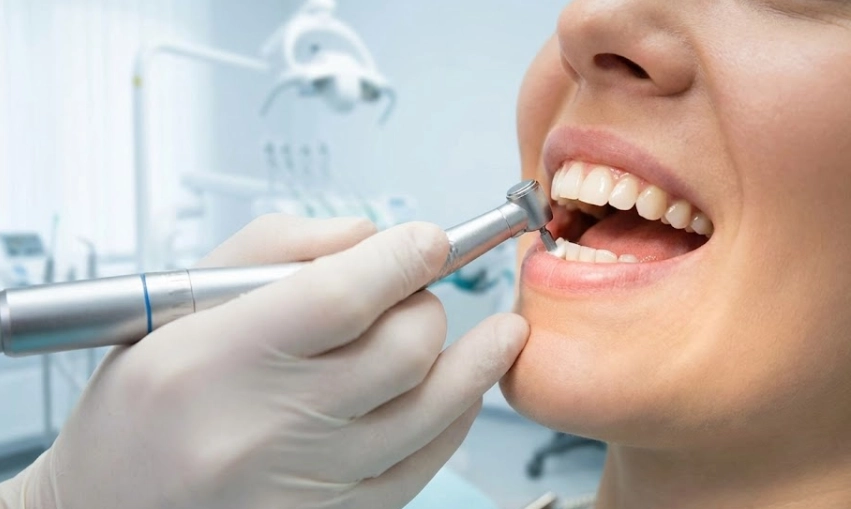
Even if you are perfect at home, you will never fully succeed in removing all debris. Plaque on teeth for longer than 2 days will turn to tartar. Imagine it as limescale that accumulates in a teapot; no matter how much you brush, you can’t get rid of it. It requires professional instruments.
This is why our clinic in Turkey should become your healthcare partner. A professional cleaning is more than a simple polishing; it is a preventive healthcare procedure. We get rid of the tartar that causes inflammation in the gums and ruins their color.
There are times when a patient comes to us for veneers and all they need is a professional cleaning and maybe a whitening treatment to get their natural shine back.
Which of the Maintenance Fits You Best
It is often puzzling to choose among the different products offering a whiter smile. Here is a clinical dissection of common methods.
| Method | Primary Goal | Efficacy on Deep Stains | Risk to Enamel | Recommended Frequency |
| Whitening Toothpaste | Remove surface stains | Low (Polishes surface only) | Moderate (Can be abrasive) | Daily (use with caution) |
| Professional Cleaning | Health & Tartar removal | Low to Moderate (Removes external buildup) | Very Low (Safe when done by pros) | Every 6 months |
| At-Home Tray Whitening | Bleach deep stains underneath enamel | Moderate to High | Low (If instructions followed) | Once a year / as needed for touch-ups |
| In-Clinic Power Whitening | Rapid, dramatic bleaching | Very High | Low to Moderate (Temporary sensitivity) | Every 1-2 years at most |
FAQ: Straight Talk from Lema Dental Clinic
We generally advise caution. Charcoal is abrasive. While it might scrub away some surface stains, it can also microscopically scratch the enamel surface, making it rougher and actually more prone to staining in the long run. A standard fluoride toothpaste is a safer bet for daily use.
Sensitivity often means your enamel has thinned, or your gums have receded, exposing the sensitive root structure underneath. This opens little channels to the nerve of the tooth. If you feel a sharp zing with hot or cold drinks, it’s time for a check-up to see what’s causing the exposure.
Please avoid lemon juice; the acid is very damaging. Baking soda is less harmful but is quite abrasive. Natural remedies might remove some surface discoloration, but they cannot change the intrinsic color of your teeth safely. Professional methods are controlled and far safer.
For most people with healthy mouths, every six months is the gold standard. This allows us to catch problems like small cavities or early gum disease before they become big, expensive, and painful issues. Some patients with a history of gum disease may need to come every three to four months.
It can help a little bit. By bypassing the front surfaces of your teeth, you reduce the direct contact time with staining liquids like iced coffee or cola. However, the liquid still swishes around your mouth before you swallow, so it’s not a fail-safe solution. The best trick is to rinse your mouth with plain water right after drinking something dark.
- American Dental Association. (n.d.). Home Oral Care Guide. Retrieved from ADA.org.
- Joiner, A. (2010). The bleaching of teeth: A review of the literature. Journal of Dentistry, 38, e17-e24.
- Lussi, A., & Carvalho, T. S. (2014). The future of fluorides and other protective agents in erosion prevention. Caries Research, 48(4), 390-398.
- Van der Weijden, G. A., & Hioe, K. P. (2005). A systematic review of the effectiveness of self-performed mechanical plaque removal in adults with gingivitis using a manual toothbrush. Journal of Clinical Periodontology, 32, 214-228.
- Zero, D. T., & Lussi, A. (2005). Erosion—chemical and biological factors of importance to the dental practitioner. International Dental Journal, 55(S4), 285-290.

