


Wait 2 days for light exercise and 1 week for heavy gym.
Our patients at Lema Dental Clinic in Turkey usually experience a certain kind of restlessness during the post-operative period. We encounter many fitness lovers who, after a smooth tooth extraction by Professor Doctor Coşkun Yıldız, have only one question: “When can I start working out again?“
That is a natural desire. After all, you are reluctant to lose your rhythm or miss your macros for the week. But here is the fact: your mouth has just been operated on, and thus it physically needs your body to give it complete attention to heal. Assuming that a tooth extraction site is like a scraped knee is an error that may eventually lead to severe consequences.
The “Blood Clot” Architecture: Your Natural Band-Aid
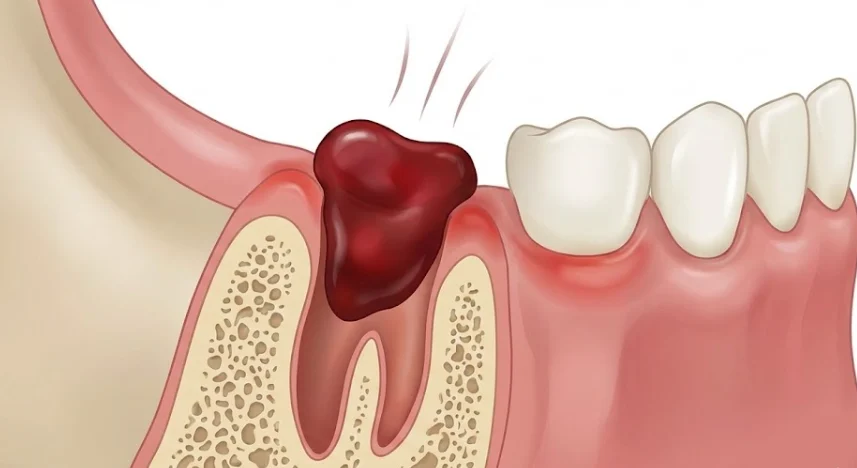
Initially, Dentist Polen Akkılıç and her team extract a tooth, and your body starts making a biological seal–a blood clot–to the socket. If you want to know the reason why we instruct you to pause, you should first understand the changes in your body after a tooth extraction.
In fact, this blood clot can be considered the “scaffolding” for your future jawbone. It is a very thin, jelly-like plug that covers the nerves and bone that are exposed because of the tooth removal. Iflookat house construction will give you an idea, then the clot is like the wet cement of the foundation. If you pass too fast or jump, the vibrations and pressure can make the cement crack or be washed away entirely.
In the dental world, we call this a Dry Socket (Alveolar Osteitis). It is notoriously painful and essentially restarts your healing clock from zero.
The Blood Pressure Factor
When you lift heavy weights or engage in high-intensity interval training (HIIT), your heart rate spikes and your blood pressure climbs. While this is great for your cardiovascular health, it’s a direct threat to a fresh extraction site.
Increased blood pressure can literally “pop” the blood clot out of the socket like a cork from a bottle. This is why we insist on a minimum of 24 to 48 hours of complete rest. Even if you feel “fine,” your internal plumbing is working overtime to manage the surgical site.
A Safe Timeline for Returning to the Gym

Every patient at our clinic in Turkey is different, but we generally follow a physiological “safety staircase” for resuming activity.
| Days Post-Extraction | Recommended Activity Level | Risk Factor |
| 0 – 24 Hours | Total Rest (Head Elevated) | High: Clot displacement risk |
| 24 – 72 Hours | Light Walking Only | Medium: Throbbing and bleeding |
| 3 – 5 Days | Low-Impact (Yoga, Stretching) | Low: Watch for dizziness |
| 7+ Days | Full Weightlifting / Cardio | Minimal: Ensure no pain is present |
Warning Signs: When to Put the Dumbbell Down
The real question is how to figure out if you have overdone it. From our clinical experience at Lema Dental Clinic, your body will be, figuratively speaking, the one to tell you. If the first thing you feel after starting your workout is a throbbing in your jaw that goes in time with your heartbeat, stop right then and there.
Professor Doctor Coşkun Yıldız explains that experiencing a metallic taste in your mouth while exercising is generally an indication that the wound has reopened and is bleeding. This is your body’s “signal light.” If you disregard it, you will be putting yourself at risk of infection or having a healing process that is so delayed that it may prevent you from being able to get dental implants later on.
Why Rest is Part of the Recovery Strategy
Rest should not be equated with “doing nothing“. Rather, it is an active and essential component of your treatment plan. When you lower your heart rate, you help the inflammatory phase of your body’s healing to finish faster. After the first 72 hours, you may gradually bring back your regular schedule, but our recommendation is to start with only half of your normal intensity.
FAQ: Expert Advice from the Lema Team
Actually, heavy lifting is often riskier than light cardio. When you strain or clench your jaw during a heavy rep, you increase intraoral pressure significantly. This is the most common way patients accidentally dislodge their blood clots.
Yes, but with one crucial rule: No straws. The suction created by a straw is like a vacuum for that blood clot. Drink directly from the cup, and ensure the shake is room temperature, as extreme heat can dissolve the clot.
Don’t panic. Take a clean piece of gauze, place it over the site, and bite down firmly for 30 minutes. Keep your head elevated and stay still. If the bleeding doesn’t stop after two rounds of gauze, contact our team immediately.
We recommend waiting at least 3 to 5 days. Not because of the movement, but because of the bacteria in the water and the pressure changes if you dive. Keep your head above water and keep it gentle.
Yes. A simple front tooth extraction heals faster than a complex surgical wisdom tooth removal. The more ‘bone work’ required during the surgery, the longer you should stay away from the squat rack.
- Al-Belasy, F. A. (2004). The effect of exercise on the frequency of post-extraction complications. Journal of Oral and Maxillofacial Surgery.
- Blum, I. R. (2002). Contemporary views on dry socket (alveolar osteitis): a clinical appraisal of etiology, prevention and management. International Journal of Oral and Maxillofacial Surgery.
- Mamoun, J. (2018). Dry socket: A review of etiology, clinical features, and management. Journal of Investigative and Clinical Dentistry.
- Suda, S., et al. (2011). Cardiovascular responses to dental stress. Journal of Dental Research.
- Yıldız, C., & Akkılıç, P. (2023). Post-Operative Care and Athletic Performance: A Clinical Guide for Dental Patients. Turkish Journal of Stomatology.

