


Most adults have 32 teeth, including the four wisdom teeth that often emerge in late adolescence or early adulthood. Yet some people may have fewer teeth because these people either had teeth removed or maybe due to lack of development, a few people do not have the four wisdom teeth. Have you ever wondered how many teeth adults have? This straightforward question offers difficult and interesting insights into human anatomy and oral health.
Although 32 adult teeth are a commonly encountered number among adults, variations occur due to hereditary endowment, patterns of dental care, and the lifestyles we lead. The population usages are waiting to probe deeper into the exciting issues of adult dentition and other factors that play a role.
Adult Teeth Anatomy: Understanding the Basic Structure
Inside our mouths, adults come with a full set of 32 amazing teeth. These irreplaceable parts of human life are the teeth without which our daily lives almost everywhere would not be the same. The basic structure of adult teeth is made up of various components that provide effective service. The outer layer of the tooth is a special layer called enamel. This is the hardest tissue in the human body with a function of providing a coat or cover for the inner layers of the teeth.
Going deeper than enamel, we come to dentin which is the other portion of the inside of the tooth. This is also hard, but less so than enamel, and contains millions of tiny tubules. The third part of teeth is called pulp, which is located at the center and filled with nerves and blood vessels. With such a useful and smart design, adult teeth can easily withstand the forces of chewing and biting and at the same time provide feelings of sensation.
Types of Adult Teeth: Incisors, Canines, Premolars, Molars
Adult teeth are classified into four distinct types, each of which provides unique functions in the mouth. The different types of teeth include;
- Incisors: These are the snipping and cutting tools of the oral cavity. There are usually eight incisors, four in the upper blade and another four in the lower jaw. Due to their sharp edges, the incisors enable humans to cut objects such as food while chewing.
- Canines: (or cuspids) are pointed structures that are found between the incisors and the premolars. They have a total of four canines that are developed which show sharp edges designed to chomp down on meat.
- Premolars: Also called bicuspids, they occur in various forms, though always in the upper jaws as well as lower jaws, and the teeth are in eight parts. These teeth act as a transitional form between canines and molars since they perform such key lines as fracture and grinding of food.
- Molars: These are much wider than the premolars and additionally have 12 in number (including those that preceded the wisdom teeth). Wisdom teeth, which people often have the molars take care of further grind and process food. this function is vital in performing the above.
By recognizing the distinct functions of each of these types of teeth clearly and in detail the remarkable adaptation of teeth can assist any in the common necessity of chewing food. The number of canine teeth premolars and incisors molars are all specific structures and importantly positioned to enable proper size and proper functioning of the oral cavity thus enabling the same food that is taken to the body to be utilized.
Likening the structure of a phenomenal work of art fascinated with mechanical transitions, the teeth do also play an equally significant role once we have maintained oral hygiene in a very huge manner for our pleasant smiles and chewing of food.
How Many Adult Teeth Do Humans Have?
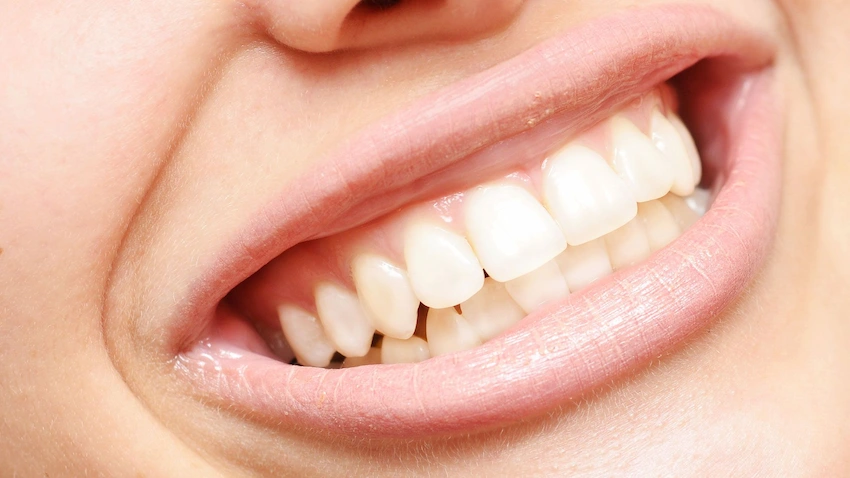
Usually, there are a total of thirty-two baby or primary (around) teeth that adults have – these have various kinds, and the best kind of teeth comes plus these. Every type has a particular identified role while the series of teeth must be ready & even therefore it becomes important to choose the location where the teeth that are deemed to be the right choice for adults will spring up. Therefore here is a brief description of the kinds of the types of and the number of adult teeth.
Types of Adult Teeth
Pretty amazing yet explorable is the number of adult teeth present in the human with its high-end functionality to carry out different important functions. You would be surprised to know that each and every tooth in humans is assigned a specific important task to perform. And it is important for the teeth to be strong and concise so that they perform these tasks well. Have you ever thought about how much food is cut while eating human food? These teeth are incisors.
It is particularly important to note that even with the above teeth, anytime between eruption and recovery, some people may also have their eight molars popularly known as the wisdom teeth. This adult tooth is recommended to be affected mainly due to malocclusions, misaligned jaws and overcrowding of teeth. Thus it is the fact that not all adults have only the basic number of thirty-two primary teeth. Therefore there are also several other teeth present in previously illustrated.
The Tooth Eruption Process in Adult Humans
The word tooth eruption refers to the moment tooth buds start reshaping as well as changing into their definitive position in the human jaw. The eruption occurs through a number of stages; the majority of these difficulties in biting and chewing teeth will have happened largely either during the baby stage or during the early years of the body of human beings. In this case, one becomes aware of the consequences of this process for dental hygiene and the general appearance of teeth and can figure out the ideal time to visit a dentist or treat problems of a similar nature.
Throughout one’s early years, from infancy into adolescence, the processes of tooth development and replacement are dynamic and intricate. In their rightful course, the primary or milk teeth, also known as first teeth, while they serve their purpose of action before a child matures, begin to be gently lost in favor of stronger permanent teeth. The dental system in place helps the child to chew more efficiently and to speak properly in future.
During the period of time that the teeth are enhancing, there is a strong possibility that the alignment of teeth in the mouth will be wrong due to the way that the jaw has developed. If such a condition prevails it is a possibility that an affected tooth will start to come into the mouth at an objectionable region. In the event that for instance, the wisdom teeth come into existence but the jaws are not wide enough to contain them, there arises the possibility of the wisdom teeth being compressed. These complicated cases call for the attention of a dentist who will be expert at extracting or treating tooth processes that initially promise no remedy.
Chewing and Digestion: Understanding the Importance of Adult Teeth and their Role
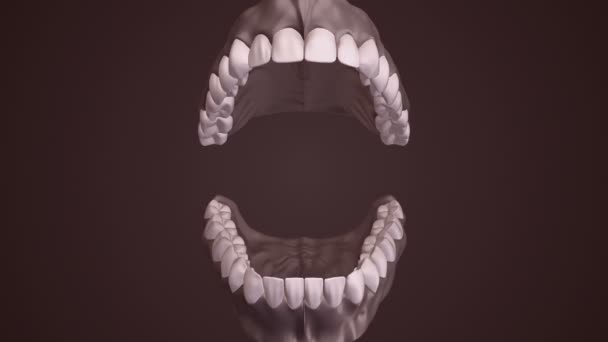
Adult teeth do much more than just serve an aesthetic purpose; they are vital tools for breaking down the food that we consume and facilitating the process of digestion. Feeding requires a certain process that involves biting, cutting, and chewing whereby the incisors at the front part of the mouth do the initial job of cutting the food material into pieces.
The canines then take up the task of tearing the tough food substances into smaller more manageable units. The crushing of food into smaller pieces, which are emergent, occurs by the premolars and molars in the back of the mouth, giving the food a greater surface area for salivary and gastric breakdown. This sequential alteration of food is an important function.
Frequently Asked Questions About Adult Teeth
Humans typically have 32 adult teeth, including the four wisdom teeth that usually emerge in late adolescence or early adulthood. These teeth consist of incisors, canines, premolars, and molars, each serving a specific purpose in the chewing process.
Adult teeth include incisors, canines, premolars, and molars. Each type of tooth plays a specific role: incisors cut food, canines tear it, premolars crush food, and molars grind it for digestion.
Incisors are the sharp, flat teeth at the front of the mouth, designed for cutting food into smaller pieces. Adults typically have eight incisors, four on the top and four on the bottom.
Molars are essential for grinding and chewing food into smaller pieces, making it easier to digest. Adults typically have twelve molars, including the wisdom teeth, located at the back of the mouth.
Not all adults have wisdom teeth. While most people have four wisdom teeth, some may have fewer, or in some cases, none at all, due to genetics, extraction, or impaction.
If you lose an adult tooth, it’s important to replace it to avoid misalignment, difficulty eating, or jawbone loss. Options like dental implants, bridges, or dentures can restore your smile and function.
The eruption process refers to the time when teeth come through the gums and settle into their proper position. Most adult teeth emerge between ages 6 and 21, with wisdom teeth typically erupting between 17 and 25 years old.
Teeth, particularly molars, break down food into smaller pieces, making it easier for the body to digest. Incisors and canines also assist in cutting and tearing food before it reaches the molars for grinding.
Yes, braces or clear aligners can correct misalignment in adult teeth. Even after all adult teeth have erupted, orthodontic treatment can help straighten teeth and improve bite functionality.
If your wisdom teeth are causing pain, swelling, or misalignment, it’s important to consult with a dentist. Wisdom teeth may need to be removed if they are impacted or causing oral health issues.

