


Wisdom teeth removal may cause temporary swelling, but it does not permanently change your face.
Does wisdom teeth removal cause any physical changes in the face? Most often, there is no permanent change. Yet, temporarily after surgery, your face may appear different from the usual one due to swelling, bruising, and stiffness of jaw joints.
As the swelling reduces, you may have a more defined jawline, which makes some patients suppose that the face was changed. However, the main reason is that it is just the healing period and has nothing to do with permanently reshaping the face.
Understanding the Wisdom Teeth and Their Location in the Jaw
The wisdom teeth are those molars found at the very back of your mouth. They typically come out when a person is around their late teens or early twenties.
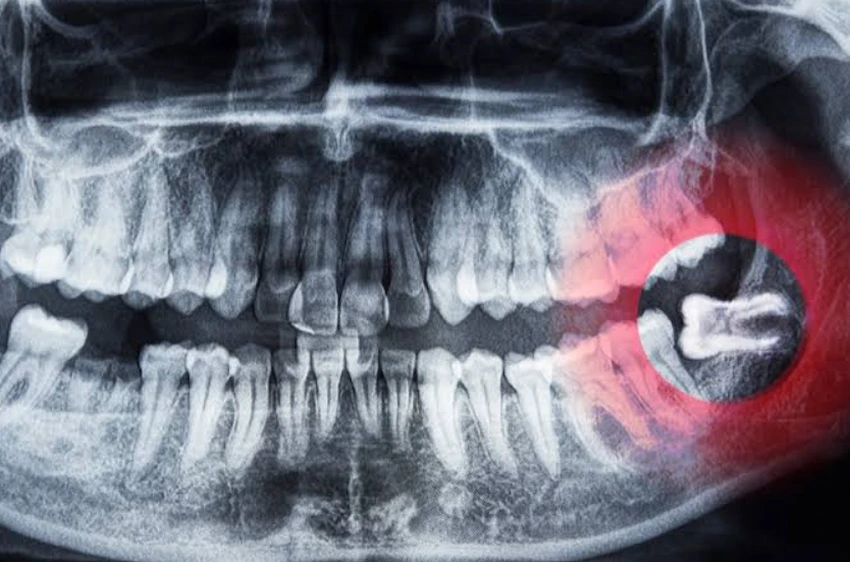
There are cases when wisdom teeth develop normally, but there are other times that one of the wisdom teeth is impacted because the lower jaw does not have enough room for them both.
If a wisdom tooth is impacted, ed it can be entirely hidden beneath the overlying tissue or the skin. In some circumstances, the tooth can also get stuck in the jawbone or grow outwards at odd angles in the gum and bone. That may cause such problems as swelling, pain, inflammation, infection, tooth decay, pressure on adjacent teeth, and even growth of a cyst.
Better still, wisdom teeth are located so far back that they really don’t have too much impact,t if at all, on the appearance of the whole face. As a matter of fact, most of the time wisdom tooth extraction is going to result in an insignificant change to the width of your jaw or in its length.
Why Patients Sometimes Think Their Face Has Changed
The top reason for this is swelling. If you have the dental surgery, the healing that happens after it causes you to accumulate a lot of liquid around the part where the tooth was taken out.
The side effects that may appear are cheeks with a look of fullness and the jawline being less pronounced than before. When the edema goes down, the face can go back quickly in a different shape to become slim, but it is just your natural face that is being unveiled,d not that anything has been changed permanently.
| Facial Change | Main Cause | Usual Duration | Permanent? |
| Swollen cheeks | Inflammation | Several days | No |
| Facial puffiness | Fluid buildup | Several days | No |
| Bruising | Small blood vessel changes | Up to 1–2 weeks | No |
| Jaw stiffness | Muscle tension | Several days | Usually no |
| Sharper jawline | Reduced swelling | After healing | Usually no |
Wisdom Teeth Extraction and Permanent Alterations
A typical wisdom teeth removal is unlikely to leave you with lasting change in face shape, even though your overall image depends on quite a variety of traits besides jawbones, facial muscles, distribution of fat, skin, hereditary issues, and body weight.
Besides, wisdom teeth are not really considered to be major support for the cheeks, so their removal will not typically have that effect of hollowing out the cheeks or narrowing the jaw permanently.
On the other hand, a small amount of bone in connection with an impacted tooth may also be removed if there is a need for the dentist to do t so that the problem tooth can be completely extracted. Nevertheless, this bone removal is limited to the very spot that has been undergoing the procedure. Such procedures can in no way be equated with that of a jaw reduction where facial shape is the primary concern.
Minor Alterations That May Be Detected
A few patients might perceive slight changes post-recovery, especially if there was the presence of swelling, infection, or muscle tension.
Generally, such variations come from the condition of the tissues surrounding the wisdom tooth rather than the removal itself.
Wisdom Tooth Severely Impacted
Severe impacted wisdom tooth can lead to inflammation of the adjacent tissues.
If the swelling affects a side of the face and makes the face slightly more rounded or swollen, one may notice that after surgery the face looks more symmetrical again. However, this is not evidence of a change in facial structure.
Chronic Infection
A wisdom tooth can sometimes be a source of chronic infection in the gums, which then can cause symptoms like pain, swelling, and facial puffiness.
When infections are resolved, swelling gradually resolves, and the jawline might look more pronounced. Nevertheless, the cause of jawline change is still mainly the resolution of inflammation and not facial structure change.
Jaw Muscle Relaxation
Patients who are experiencing pain in the wisdom tooth may involuntarily clench or reposition their jaws while chewing.
This is a very probable cause for their jaw muscles to become tense. After the treatment is over, the muscles will be relaxed as the healing process starts.
Such changes in posture and muscle tension may help them feel more relaxed and at ease with facial movements. However, they know that the surgical removal of their third molars has not affected the muscle size permanently nor shaped a whole new face.
The Immediate Alterations of Face After Wisdom Tooth Surgery
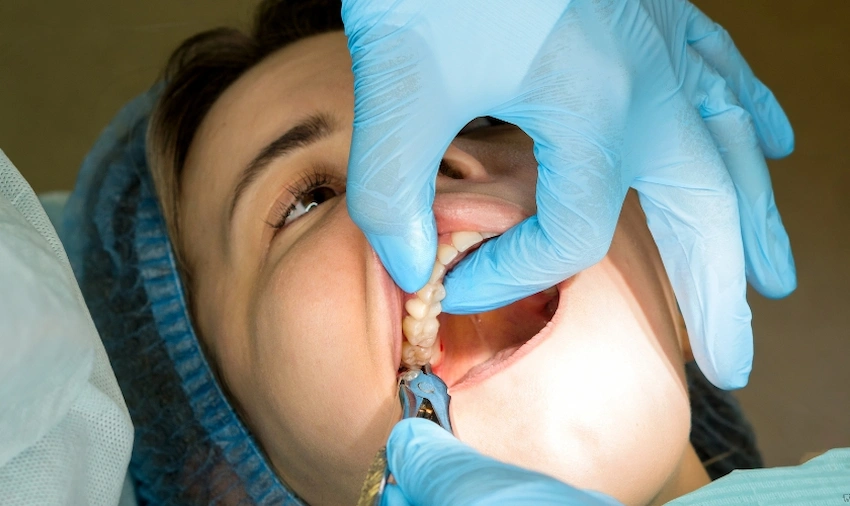
In wisdom tooth extraction, it is natural to expect some slight changein thehe appearance of the face that would settle eventually in a few days post-operation.
Inflammation of Tissues
Inflammation is one of the post-operative effects of a surgical procedure that the body deals with by sending cells for healing and fluid towards the area of extraction, thus giving a somewhat swollen look.
It might be most visible in the initial days, whereas later on the size will reduce gradually. Surgery that includes difficult wisdom teeth extraction is likely to bring about noticeable facial swelling.
Rheumatic
The bruise occurs mainly due to a rupture or rupture-like damage f small blood vessels that were hit during a medical procedure.
Depending on the phase of the healing process, different colors such as blue, purple, yellow, and green are displayed on the skin.
Although it seems a bit worrying at first sight, bruising is of a temporary nature and disappears during the course of recovery.
Mild Facial Puffiness
Mild puffiness around your whole face or parts only that are affected, if some wisdom teeth are pulled at the same time, or if a more intricate procedure is needed on one of the sides, can give your face a round appearance or appear more or less even.
Facial symmetry tends to come back on its own gradually as swelling lessens.
How Long Will It Take Your Face To Return To Normal?
In the majority of cases, the improvement is noticeable almost immediately. Still, the overall duration will depend on many factors such as the number of extracted teeth, the position of the wisdom teeth and the level of impaction, the type and extent of the treatment, the presence of infection, smoking habits, physical condition, aftercare procedures, es etc.
Most people find out that the most dramatic swelling starts easing quite soon after the surgery. Other things like black eyes (i) and jaw pain might last longer. Also, in some cases, you might have very mild symptoms still after 2 weeks.
Nonetheless, your face should slowly go back to its previous state as the healing processes go on.
Ways to Minimize Swelling Following Extraction of Wisdom Teeth
If you have a good recovery care plan,lan then not only will it support your recovery process, it should also make you more comfortable. In the initial few days, follow the prescribed way of using a cold cloth and get some sleep. A slightly elevated head position while sleeping is also another way to reduce the face swelling.
Limit physical activity, select soft foods, take medication as per instructions till you can chew without a problem, drink plenty of water, take medication, keep the mouth clean, but do not disturb the extraction area.
One of the most important things is to avoid smoking because it may hinder recovery and make you risk of developing more complicated postoperative conditions. Above all, strictly follow what your dentist recommends for aftercare.
When to Contact Your Dentist Post-Operatively
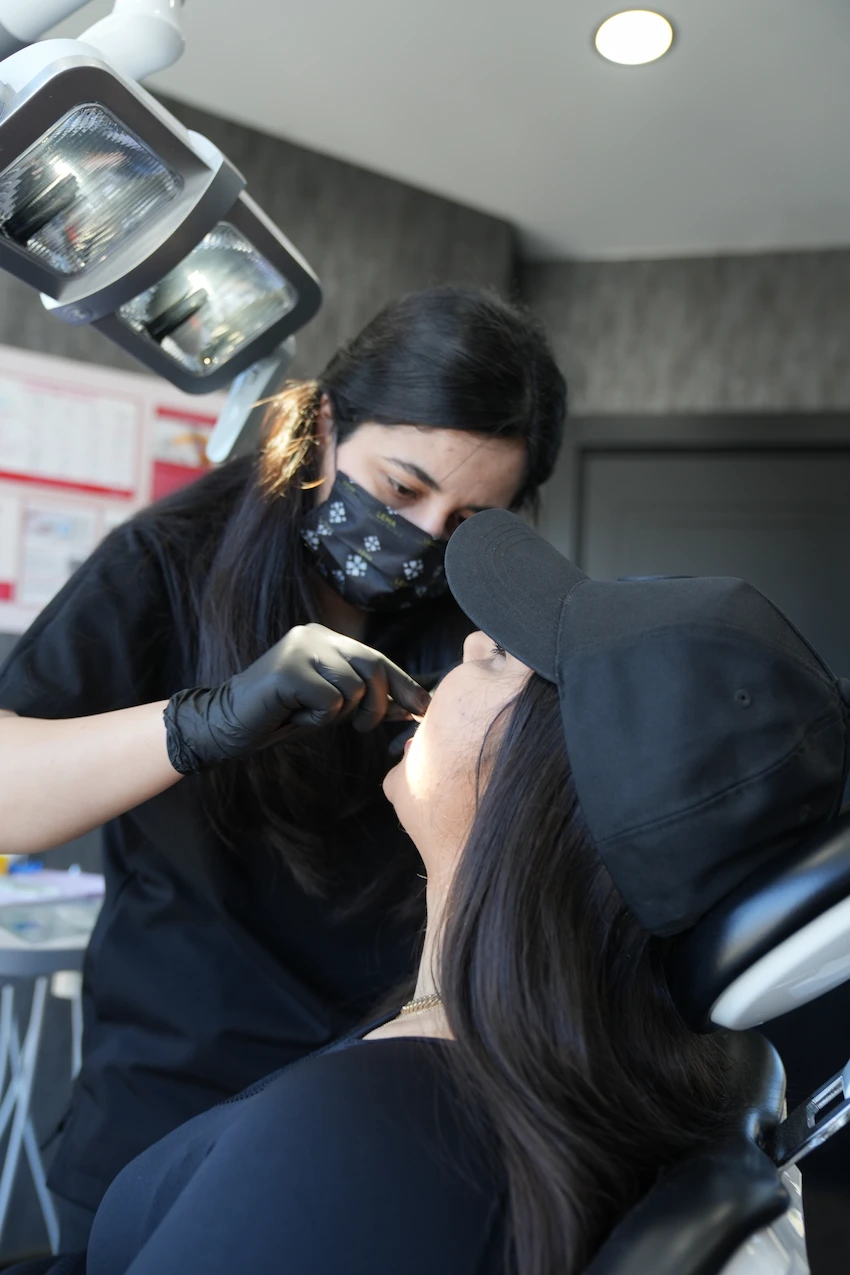
Pain, swelling, and/or stiff jaw following wisdom teeth extraction is an expected outcome,e and these should gradually decline rather than increase.
If, for instance, one suffers a very bad facial swelling; increasing levels of pain; a significant hemorrhage; the symptom signs point to an underlying condition; bad taste for a long duration one cannot manage swallowing, difficulty in breathing, persistent numbness; or inability to open one’s mouth; then contacting one’s dentist should become the top priority.
A dentist should check these cases, as the problem might not only be related to the aftereffects.s
Dental Care of Wisdom Teeth – Professional Advice
Wisdom teeth are not always considered to be the problem. Extraction is recommended in specific situations. The decision to extract the tooth is mainly based on position, available space in the jaw, the patient’s complaints, and the status of the adjacent structures.
Dental X-radiography images can indicate whether the wisdom tooth is impacted and whether it may cause damage to neighboring teeth or bone.
At our dentist office, every case of potential wisdom tooth problem is treated individually. First, the dentist will thoroughly examine the position of the tooth, the bone, the gums, the symptoms, and the general state of your mouth to suggest the appropriate and safe treatment method.
You may also feel a change in your looks as a result of wisdom tooth removal or the swelling of the face/jaw caused by the extraction.
FAQs
Will I get a reshape in my jawline if I remove wisdom teeth?
In general, wisdom teeth removal will not alter the facial structure. However, there is a high probability that the swelling will result in temporary widening of the jaw and the lack of distinct definition on one side.
Can having wisdom teeth removed make your face swell?
Yes, this is the normal outcome. Your cheeks may be a bit swollen during several days due to the swelling.
Why do jaws get swollen after wisdom teeth removal?
It is the inflammatory reaction as a result of surgical trauma (a kind of “body healing”) that will cause fluid accumulation around the operated area. That is why the face swells up.
How does getting a wisdom tooth removed affect the face?
It can give temporary facial effects like swelling, bruising, puffiness,s and/or jaw stiffness, ss which generally subside during the process of healing.
When you get your wisdom teeth removed, does your face stay slim?
It rarely causes significant weight reduction around the face, and it won’t make your face permanently slimmer. Once swelling or pre-inflammatory swelling reduces, perhaps your face will look slim.
References
- NHS – Wisdom Tooth Removal
Information about wisdom tooth extraction, swelling, bruising, recovery, and possible complications. - American Association of Oral and Maxillofacial Surgeons – Wisdom Tooth Surgery
Guidance on wisdom tooth surgery, swelling, healing, and postoperative care. - PubMed – Slim the Face or Not: 3D Change of Facial Soft and Hard Tissues After Third Molars Extraction
Research evaluating facial tissue changes after wisdom tooth removal. - PubMed – Postoperative Edema Following Wisdom Tooth Removal
Research examining swelling after third molar surgery.

