


No, but it can remineralize.
Tooth enamel is the toughest stuff in the human body—so tough that it even beats your bones. Still, tooth enamel is actually quite sensitive to damage if you look beyond its surface strength. Every day, at Lema Dental Clinic in Turkey, we have patients turning up with bright smiling faces who want to try to get even brighter smiles but unfortunately are still held back by a deeply rooted fear: “If I whiten my teeth, am I taking something from my teeth that will be gone forever?”
Simply put, your enamel certainly does not regrow. One of the biggest misconceptions about enamel is that it is like human skin or nails that have cells capable of regenerating. Actually, enamel is acellular. In fact, this means that once it is lost by any means—such as being broken off through grinding or worn down by acid—it is gone for good.
But let’s look closer. The story doesn’t end there. While you cannot “grow” new enamel, you can repair and harden what remains. In the world of cosmetic dentistry, understanding the difference between erosion (loss) and demineralization (softening) is the key to safe whitening.
The “Eggshell” Analogy
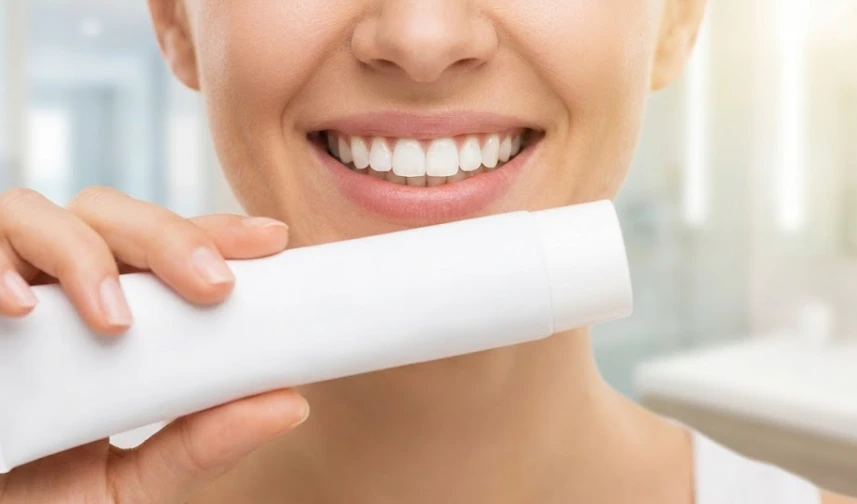
Think of your tooth like a precious ceramic vase. The glaze on the outside is the enamel. If you drop the vase and chip the glaze, you can’t just wait for it to heal; the ceramic has no life force. However, if the glaze just becomes a bit porous or scratched, you can polish and seal it to make it strong again.
Professor Doctor Coşkun Yıldız often notes that professional teeth whitening, when done correctly, does not “sand down” this glaze. Instead, it works like a deep cleaning for the pores of the enamel. Peroxide agents penetrate the microscopic tubes in the tooth to break apart stain molecules. They don’t remove the shield; they just scrub the dirt off it.
The Danger Zone: Where Enamel is Actually Lost
The confusion often comes from aggressive, over-the-counter methods. Charcoal pastes or abrasive “smoker’s toothpastes” work by physically scratching the surface. This is what removes enamel.
In our clinical experience at Lema Dental Clinic, we advise strictly against DIY acids (like lemon juice and baking soda). These break down the mineral composition of the tooth calcium in a way similar to acid rain corroding a stone statue. After that structure is removed, fluoride, however much of it is used, can not restore it.
Remineralization: The Body’s Repair Kit
If enamel doesn’t grow, how do we fix sensitivity? The answer lies in saliva and fluoride.
Dentist Polen Akkılıç and her team utilize post-whitening protocols that flood the teeth with minerals like calcium and phosphate. This is the stuff called refraining from harm to them. They’re like mending the potholes on a road; you aren’t constructing a new road, but you are filling the holes, so the surface looks smooth and lasts longer.
Comparing Whitening Methods & Enamel Safety
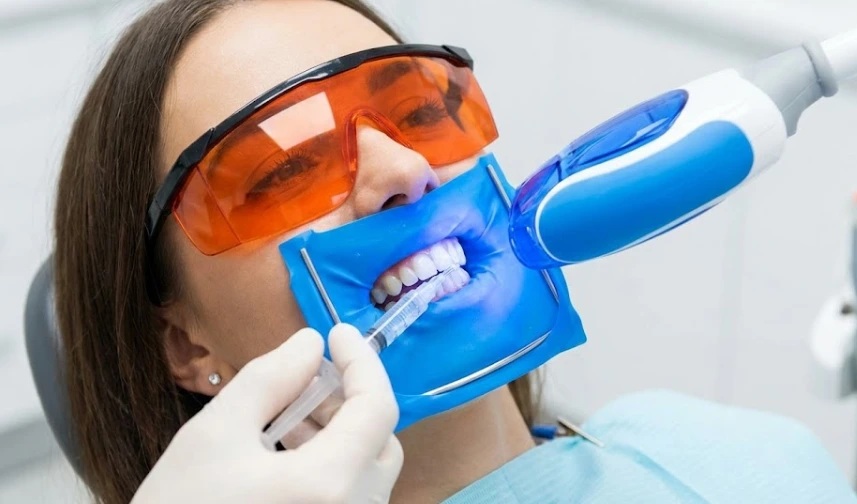
Not all whitening is created equal. Here is how different methods impact your enamel’s structural integrity:
| Whitening Method | Mechanism of Action | Enamel Risk Profile | Lema Dental Verdict |
| Professional Laser (Office) | Chemical oxidation opens pores briefly to lift deep stains. | Low. Controlled pH prevents erosion; Fluoride is applied immediately after. | Recommended. The safest option for rapid results. |
| Whitening Toothpaste | Physical abrasion (scratching) to remove surface debris. | Moderate to High. Can wear down enamel over years of daily use. | Use with caution. Avoid “charcoal” types. |
| DIY Lemon & Soda | Acid erosion dissolves the top layer of the tooth. | Extreme. Causes permanent enamel loss and translucency. | Strictly Forbidden. Never do this. |
| At-Home Strips (Generic) | Low-dose peroxide sits on teeth for weeks. | Moderate. Risk of dehydration and temporary softening if overused. | Okay, but professional supervision is better. |
FAQ: Common Questions About Whitening & Enamel
That is the magic of remineralization. For about 24-48 hours after a procedure, your enamel pores are open and slightly dehydrated (which causes the ‘zing’ or sensitivity). As your saliva coats the teeth and you use prescribed fluoride pastes, those minerals plug the pores back up, re-hardening the surface.
This requires a delicate approach. If your enamel is already translucent (showing the yellow dentin underneath), whitening might not help and could cause extreme pain. In these cases, Professor Doctor Coşkun Yıldız often recommends veneers or bonding instead, which act as a protective ‘new’ enamel layer.
No, this is a common myth. The laser used in clinics like Lema Dental is a ‘cold’ light. It is not there to heat the tooth but to activate the whitening gel so it works faster. The gel does the work; the light just hits the accelerator. There is no thermal damage to the tooth structure.
Since you can’t grow it, you must protect it. Reduce acidic drinks (soda, energy drinks), drink plenty of water to keep your saliva flow high, and use a hydroxyapatite or fluoride toothpaste. These ingredients provide the raw materials your teeth need to patch microscopic weak spots.
Permanent sensitivity is extremely rare with professional treatments. The sensitivity is almost always transient, lasting 1 to 3 days. If you have lasting pain, it usually means there was an underlying issue like a crack or a cavity that the whitening gel irritated, which is why a pre-whitening exam is non-negotiable.
- Joiner, A. (2006). The bleaching of teeth: A review of the literature. Journal of Dentistry, 34(7), 412–419.
- Eimar, H., et al. (2012). Hydrogen peroxide whitens teeth by oxidizing the organic structure. Journal of Dentistry, 40(2), e25–e33.
- Attin, T., et al. (2009). Impact of bleaching on enamel and dentin. Dental Materials, 25(2), 143–157.
- Pretty, I. A., et al. (2006). Enamel demineralization and remineralization. British Dental Journal, 201(5), 297–304.
- Kwon, S. R., & Wertz, P. W. (2015). Review of the mechanism of tooth whitening. Journal of Esthetic and Restorative Dentistry, 27(5), 240–257.

