


What is a Difficult Tooth Extraction? Wisdom vs. Impacted Teeth
Difficult tooth extraction is the removal of teeth, that are hard to reach due to the position, the root structure, or the complexity of the bone and gum tissue around. On the contrary, difficult extractions are usually surgical ones as they place the tooth closest to sensitive structures like nerves or adjacent teeth. As a result, most of the time, wisdom teeth or impacted teeth are the ones that necessitate such extractions, which are more complicated and have a higher possibility of causing side effects.
Impacted teeth, particularly wisdom teeth, are the most common, among the causes of difficult extractions, that can be found. In fact, an impacted tooth is a tooth that has not gone through the gum completely or is obstructed by the adjacent teeth, bone, or gum tissue. If it impaction is not alleviated, it may become infected, develop cysts, or even cause that the neighboring teeth. Therefore, it is often the case that the removal of the impaction and the extraction of the impacted tooth require the use of more advanced surgical techniques to stop the damage and ensure that the extraction is done safely.
The Jawbone Healing Process After Difficult Tooth Extraction
The jawbone reactions after a difficult tooth extraction go through the stages of destruction and reconstruction during the healing process. Here are the main stages of jawbone reactions:
Bone Resorption (Destruction):
- One of the most common jawbone reactions after tooth extraction is resorption of the jawbone, which is a natural process of the breaking down of bone tissue and its reabsorption by the body.
- The reason for this is that the root of the tooth, which is the main source of stimulation of the bone through the process of chewing, is removed, and the bone tissue no longer gets the necessary load to maintain its density.
- The resorption of the bone actually starts at the time of tooth loss and therefore the shrinkage of the jawbone may progress not only in the tissue around the extraction site but also in the whole jawbone, thus the stability of the jaw will be compromised.
Bone Remodeling:
- During bone remodeling the body replaces the resorbed bone with new bone tissue as the healing process engages the bone.
- The body is very active in new bone formation in the extraction site during this period though bone regeneration might take place at a slower rate than resorption.
- In such a case of large bone loss, the new bone may not be enough to meet the demand thus the jaw structure may be weakened and dental problems may occur in the future.
Bone Grafting and Regeneration:
- Bone grafting is commonly advised to reverse bone resorption and manage the proper healing process. Basically, bone grafting is a procedure that places either a natural or a synthetic bone substance into the area of the extraction site so as to induce the formation of new bone.
- By doing so, it not only brings back the volume and the density of the jawbone but also stops resorption from going any further as well as keeping the area safe for the occurrence of the next treatments like dental implants.
- Moreover, the use of guided tissue regeneration may be introduced along with bone grafting in certain situations for a quicker recovery and to have a better quality of the bone.
Difficult Tooth Extraction
- The reduction in bone density of the jaw may cause the remaining teeth to move. The teeth can become misaligned which will influence the bite function and dental aesthetics in general.
- Additionally, the absence of bone support may lead to the occurrence of problems with the jaw joint (TMJ) which may result in both discomfort and difficulty in the process of chewing and speaking.
- In order to stop such problems from occurring, orthodontic interventions or extra implants might be required for the purpose of realigning the teeth and rehabilitating the jaw function.
Implant Treatment and Bone Graft Use
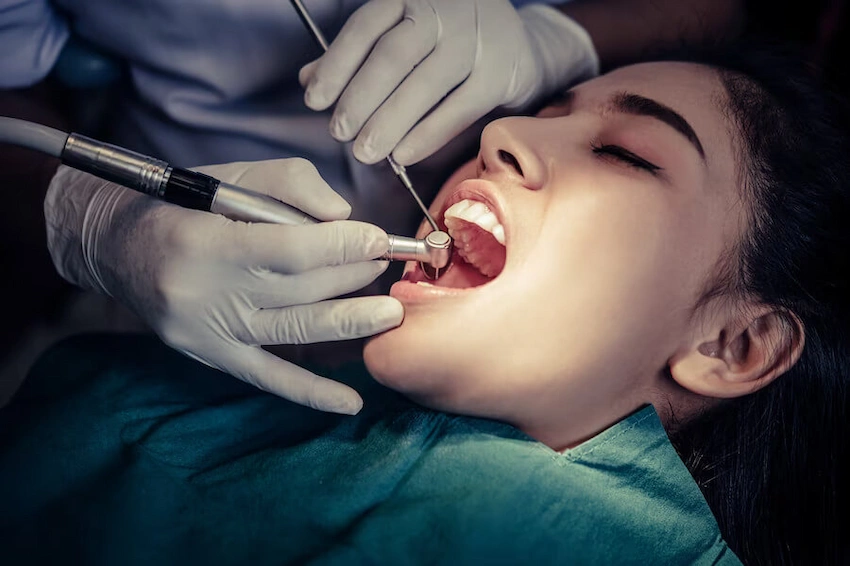
When a tooth is taken out, the supporting bone in the jaw especially in the case of a difficult extraction is lost. This can lead to jawbone loss over time in the area where the tooth was removed. So, the missing teeth are first replaced by the implant restorations to restore the normal function and the aesthetics of the area. As implant crowns or bridges are the structures that give the final tooth replacement, implants serve as their basis when the metal roots are fixed in the jawbone as real tooth roots, thus providing a stable base. Still, the success of metal roots is reliant on the condition of the jawbone which could demand bone grafting to be performed to retain or increase the bone volume and density adequate for the metal root placement.
Bone grafting is performed for the purposes of rebuilding the jawbone through its filling with materials that help new bone develop in the socket and it is a very important step when the patient prepares for implant treatment. By bone grafting, the jawbone obtains the support it needs to stay viable and is free from resorption leaving more room for dental implants to integrate and last longer. This treatment offers the opportunity to move from extraction to restoration without a hiatus which is reassuring the patient’s oral health and dental function are kept indefinitely though the appearance of the smile is also of importance.
Tooth Extraction and Orthodontics: Risk to Dental Alignment
The issue of anatomical problems of the teeth may arise if the situation of difficult tooth extraction is met and that especially if those are molar or impacted teeth. This creates the condition for a misalignment of the remaining teeth to develop massively when the extraction of the latter is carried out. If the tooth is removed, especially in the area where it is occlusion is, accordingly, the adjacent teeth can be shifted as well as faded into the resulting gap in which the missing tooth is, thereby leading to misalignment of the teeth. As the misalignment issues may become more serious over time, the occlusion of the dental will be affected as well which eventually results in the demand for orthodontic treatment to be solved.
Orthodontic treatments like braces or clear aligners can help in a difficult tooth extraction case to stop or cure the problems caused by them. Such therapies are aimed at realigning the displaced teeth left after an incomplete extraction and also ensuring the bite’s normal operation. At the same time, it is important to save room for dental implants as well as restorations that might be done in the future, whereby the health of the mouth, as well as the beauty of the smile, will be preserved.
Gum Damage and Rehabilitation After a Difficult Tooth Extraction
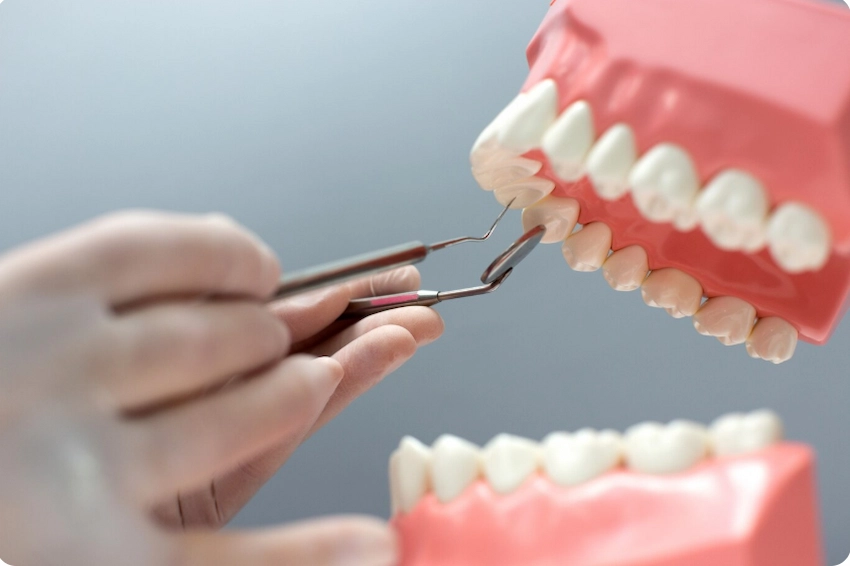
One of the things that can happen as a result of a difficult tooth extraction is damage to the gum tissue which is a common scenario when a tooth is deeply impacted or when the extraction involves the use of more invasive surgical techniques. These are the main stages of gum damage and the recovery process:
Inflamed Gums:
- After a hard extraction, the gums around the extraction site may become inflamed as a result of the trauma that accompanied the removal of the tooth.
- Inflammation may cause pain, swelling, and redness of the inflamed area. It is the body’s normal reaction, although it can be intensified by the presence of infection and insufficiency of the aftercare regimen.
- Usually, the inflammation of the gum is a brief one but it can cause infection leading to further complications if not given the proper care.
Gum Infection:
- An absolutely new recovery will be very slow once the gum tissue is infected due to a forcible tooth removal. In most cases, infections start when bacteria invade the newly exposed tissue after the operation.
- Infection indications are lasting pain, swelling, pus formation, and an increase in body temperature. To eliminate the infection and prevent its spread, a doctor may give a prescription for antibiotics.
- When the condition is extremely bad, surgery is the only way to get rid of the infection and it also facilitates the wound healing process.
Delayed Healing:
- If there has been significant injury or the wound is not properly cared for, the damaged gum tissue may become a painful area and the healing process may take longer time.
- It has been established that smoking, bad oral hygiene, and diseases can slow down the healing process and make it more likely to have complications.
- As a rule, patients are advised to follow a strict care regimen after the operation, which includes, among other things, avoiding the use of irritants, maintaining good oral hygiene, and applying medications as directed to facilitate faster healing.
Gum Recession and Aesthetic Concerns:
- Gum recession is one of the side effects that may happen after a tooth has been removed. For instance, if the gum is very badly damaged in the process, then not only will the roots of the teeth be exposed but also the appearance of the smile will be changed.
- Besides that, receded gums may become so sensitive that even brushing and flossing will be difficult and uncomfortable.
- When a receded gum is a problem, the restoration of the gum line and stopping the recession can be achieved by the performance of a gum graft. The procedure involves taking the tissue from a normal part of the mouth and placing it on the injured part to help it get better and give the roots of the teeth the necessary cover.
Gum Rehabilitation:
- Gum rehabilitation is a process aimed at returning the gums to normal health and functionality after a challenging extraction. Part of this is making sure the tissues heal correctly and that no new damage occurs.
- On top of that rehabilitation, post-operative care is very important to the success of the work. The application of antiseptic rinses, pain relief, and the avoidance of highly energetic physical activities are some of these measures.
- Sometimes, additional procedures such as gum contouring or transplantation might be required to not only functionally but also visually make the gum tissue as good as new again.
Tooth Extraction: Long-Term Effects on Chewing and Speech
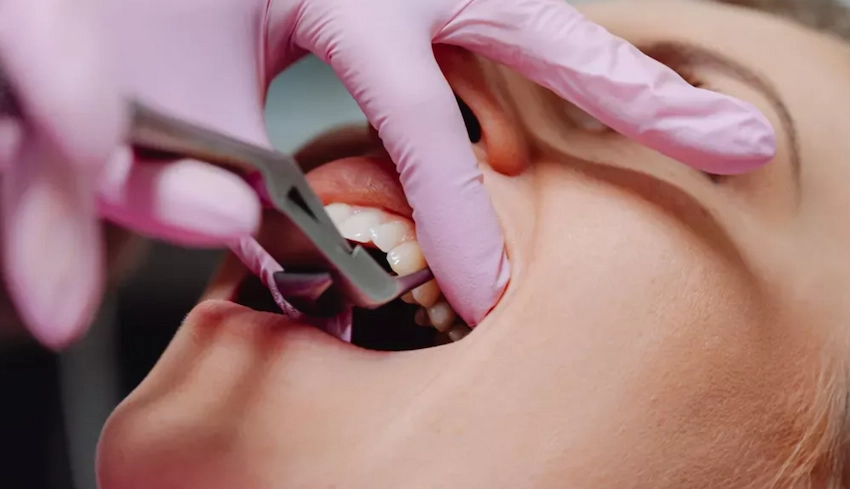
Oral functions like chewing and speech may be impaired as a result of tooth extraction, mainly if the removal of several teeth or an extraction of a difficult tooth is involved. The disappearance of molars or other vital teeth can lead to the inefficiency of the work that the mouth has to do by not breaking down the food properly. Inevitably, poorly-chewed foods can cause digestion problems as time goes by because the body’s processing system is still not well developed.
Furthermore, missing teeth may cause speech to change. The words may sound different as the pronunciation and the clarity may be affected, especially if the missing teeth happen to be those located in the front part of the mouth, that is, in the incisors.
Prosthetics like implants or dentures are commonly used methods to bring back oral function after an extraction. Apart from preserving the chewing force, these tools facilitate speech by occupying the space devoid of teeth. In certain situations, patients may be prescribed speech therapy to enhance their clarity and fluency of speech.
Aesthetic Impact of Difficult Tooth Extraction on Smile and Face
Aside from the functional problems, hard-to-do dental extractions may leave the person not only without functionality but also without a bright smile or an aesthetically pleasing facial look. Unsightly and non-functional dental changes may prompt lips and cheeks to move inwardly affecting the overall facial structure, which is a typical consequence of dental loss, especially in the front of the mouth.
This may cause the person to look older or tired, which puts the patient in an emotionally distressing situation if he or she is an appearance-conscious type of person.
Restorative procedures such as implants or dentures can come in handy and help get over the aesthetic problems and also regain the lost facial balance by substituting the missing teeth. Sometimes the use of skin fillers or other non-invasive treatments may rejuvenate the facial structure as well as make the smile brighter. Such measures work towards keeping the appearance youthful and confidence intact; thus, the patient’s smile will still be vibrant and functional.
Effects of Tooth Extraction on Jawbone Healing and Recovery
| Stage of Healing | Description | Recommended Treatment |
| Immediate Post-Extraction | Blood clot formation; risk of dry socket | Pain management, antibiotics |
| First 3-6 Months | Bone resorption; tissue regeneration begins | Bone grafting, guided tissue regeneration |
| 6 Months to 1 Year | Bone volume stabilization, possible implant placement | Dental implants, bone grafts |
| Over 1 Year | Full healing, bone remodeling completed | Final restorations, orthodontic treatment |
References:
- Ameer, M. A., & Yousuf, M. (2019). Impacted teeth and their complications: A comprehensive review. Journal of Oral and Maxillofacial Surgery, 77(2), 385-391. https://doi.org/10.1016/j.joms.2018.10.008
- Al-Mohaya, M. S., & Baqain, Z. H. (2020). Bone regeneration after tooth extraction: The role of bone grafts. International Journal of Oral and Maxillofacial Surgery, 49(7), 902-909. https://doi.org/10.1016/j.ijom.2020.04.012
- Kaur, S., & Patel, D. (2018). The impact of tooth extraction on jawbone structure and long-term oral health. Dental Clinics of North America, 62(3), 493-505. https://doi.org/10.1016/j.cden.2018.03.004
- Rinke, S., & Hertrampf, K. (2017). Postoperative complications following difficult tooth extractions. Journal of Periodontology, 88(4), 447-453. https://doi.org/10.1902/jop.2017.160740
- Singh, A., & Kumar, P. (2019). Management of gum inflammation and tissue regeneration after tooth extraction. Journal of Clinical Dentistry, 30(1), 22-27. https://doi.org/10.1016/j.jcd.2018.11.005
FAQ About Difficult Tooth Extraction: Effects on Jaw and Oral Health
Difficult tooth extraction involves the removal of teeth that are harder to access or require more advanced techniques, such as those that are impacted or deeply rooted. Regular extractions are simpler, typically involving fully erupted teeth that can be removed without significant complications.
After a difficult tooth extraction, the jawbone can undergo resorption, where the bone shrinks and loses density due to the loss of the tooth’s root. This process can weaken the jaw and affect the alignment and function of the remaining teeth.
Yes, difficult tooth extractions can cause gum damage, including inflammation and infection. Proper care and aftercare, such as antibiotics and good hygiene, are necessary to prevent complications and promote healing.
Jawbone healing after a difficult tooth extraction can take several months, depending on the complexity of the extraction and the patient’s overall health. Bone grafting and implants may be used to support the healing process and restore jaw function.
While TMJ issues are not common, a difficult tooth extraction, especially if it affects the alignment or causes significant bone loss, can contribute to jaw joint problems. Early intervention with orthodontic treatment or other therapies can help manage these risks.
Yes, the loss of a tooth due to a difficult extraction can cause surrounding teeth to shift, leading to misalignment or bite issues. Orthodontic treatment may be necessary to realign the teeth and ensure proper bite function.
Removing a wisdom tooth can lead to bone loss, but with proper care and treatment, it can prevent future complications such as infection or crowding. Long-term effects may include the need for restorative treatments like implants or bone grafting.
Yes, dental implants are often recommended after a difficult tooth extraction to replace the missing tooth and restore function. Bone grafting may be required if significant bone loss has occurred to ensure proper implant placement.

