


Best adhesive type depends on fit, comfort, and daily needs.
The truth is, adjusting to removable dentures is very similar to learning how to walk again. You need training. You need a lot of patience. And most of the time, you will also require some additional support to keep your teeth in the right place.
You might well be standing in a store right now if your dentures are slipping when you are talking or eating with them. You are probably looking at the wall that is filled with various dental products.
But the question still is: which one – cream, powder, or strips – is the right one for you?
We’re seeing this in the clinic continuously. A good number of our patients bring themselves to us after they’ve exhausted their energies. They are just fed up with dealing with fake teeth daily. If you want to know which product suits you the best, first of all, you need to understand what the principle behind each adhesive is.
The Main Issue: What is the Reason for Denture Slipping?
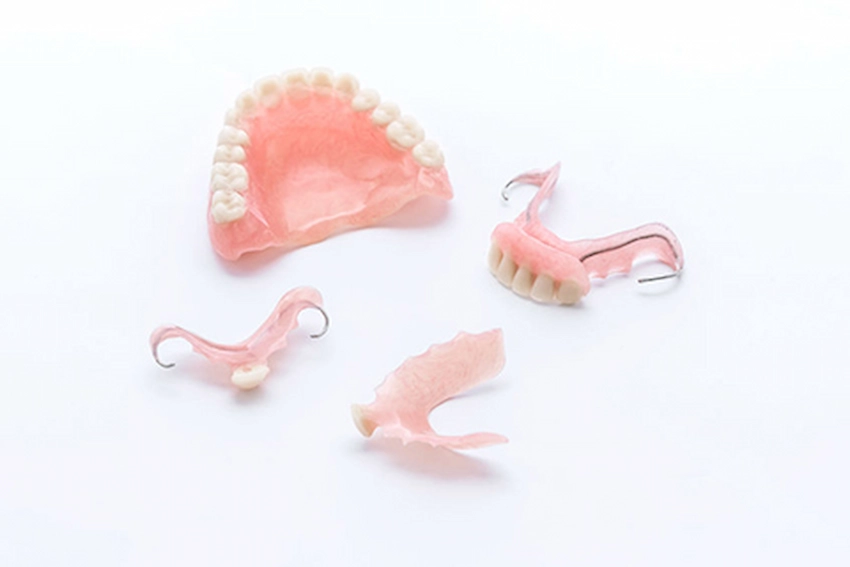
Consider your jawbone as a concrete foundation supporting a house. Once you lose your natural teeth, your bone begins to shrink, resulting in a change in its shape. For example, a denture that was fitting perfectly a year ago might feel like a loose shoe today. Until the problem of your foundation shrinkage is addressed, the adhesives are only temporarily filling the gaps.
What can you use daily?
Denture creams (pastes)
Almost everyone uses cream. They become a soft and thick cushion between your gums and the plastic plate.
- The Good: They provide a very firm hold. A quality cream will negotiate a strong seal between the denture and the gums. Stopping small, abrasive food from lodging under your dentures is one of the benefits.
- The Bad: It’s not only the quality of the product. You get that you will not be able to clean your gums 100% if you use one of these. It is just that it is taking one morning to get them back to the lips of an excuse for the ones who have used them before.
- The Warning: Some creams come with zinc in them in just trace amounts. Still, if you have too much of it for a very long time, it can lead to zinc poisoning,g and that causes serious damage to the nerves. Always check the label and go for zinc-free ones.
Denture powders
You just have to put some of this powder on the denture after rinsing it and before putting it in your mouth.
- The Good: They are really simple to wash off. You just rinse them away. The hold feels smooth and rarely oozes out the sides.
- The Bad: The grip is not as good as the cream. Dentures on the lower jaw are made from powder difficult because the tongue is always pressing against the plastic base.
Denture strips (wafers)
They are a type of adhesive tape. To apply these strips, all you need to do is remove the paper backing and stick the strip to the denture.
- The Good: No mess at all. This is so easy that you won’t even notice it. The same quantity is used by each person—not a drop goes to waste.
- The Bad: The strips are both flat and hardened. So if your gums have shrunk seriously, a flat strip won’t be able to fill the really uneven and deep space,s which a thick cream can.
A Brief Clinic Look
| Adhesive Type | Hold Strength | Cleaning Difficulty | Mess Level | Zinc Risk |
| Cream | Very High | Hard | High | Varies (Check label) |
| Powder | Medium | Easy | Low | Low |
| Strips | Medium | Very Easy | Zero | Low |
What is the Permanent Solution for Loose Teeth?
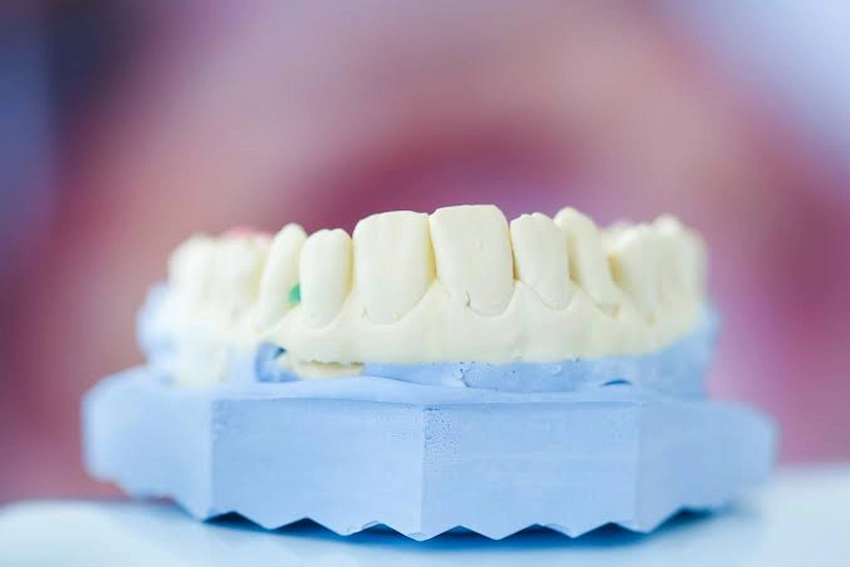
The moment has come to think about the problem in a larger frame. Paste and powder are only band-aids. They don’t treat the disease.
There is a reason behind what we have been telling you about the negative impact of loose teeth on emotions in our patients at the Lema Dental Clinic in Turkey. It is quite a stressful thing to be on guard 24/7 about something as simple as a family dinner without the risk of your teeth coming loose. You deserve to be able to live without such anxieties.
Prof. Dr.Coşkun Yıldız warns that someone who is using thick adhesives quite a bit is really only putting off the inevitable at that point. It indicates that the bone is rapidly shrinking,g and it is time to find fixed alternatives.
Nowadays, you don’t have to battle with glue anymore. Dentist Polen Akkılıç and the rest of their team continuously lead patients through the process of converting their removable dentures into permanent, implant-supported ones. We rely on the advanced techniques of Zygomatic, All-on-4, and All-on-6 implant systems.
Rather than merely placing a plastic piece on your shrinking gums, new teeth can be fixed into the strong jawbone with a completely new method. This is the same as fastening a steel bridge deep into solid rock as opposed to just laying it gently on loose sand. Your teeth will remain intact in your mouth till the end of time.
FAQs
Is it okay to use denture cream daily?
Certainly, if it is a modest quantity. But if you are forced to put on three times a day just to be able to eat, it is a clear sign that the dentures no longer fit. After that, you have to see a clinic for adjustment, then permanent implants will be the next consideration.
What causes denture adhesive to cause stomach discomfort?
Maybe you are swallowing it. You likely put too much paste in the denture. As a result, the paste leaks out at the back and finds its way to your throat. The right dosage is just three or four pea-sized dots.
Might I sleep in my dentures if the adhesive is still holding them in place?
Definitely, take them out. Your gums have to breathe. The skin of your mouth will greatly benefit from going without the hard plastic for a while, that’s for sure. Also, wearing dentures while sleeping is one of the ways through which harmful bacteria get trapped,d and it also leads to a more rapid loss of bone in the jaw.
How important is it to go for a zinc-free adhesive?
Most definitely, very small amounts of zinc are safe. Those patients who have very loose dentures tend to put very large amounts of cream on them so they fit. The extra zinc is absorbed by your body. After a while, this causes serious nerve troubles and numbness in the hands and feet. Zinc-free formulas also protect you in this situation.
Adhesives really annoy me. Is there anything else I can do?
The very best would be an implant-supported bridge. Permanent anchors are placed into the bone -using All-on-4 or Zygomatic implants for very thin bone,e for example. You get permanent teeth,h which you can brush just naturally, and you will never have to buy a tube of adhesive again.
Academic References
- Felton, D., Cooper, L., Duqum, I., Minsley, G., Guckes, A., Haug, S., … & American College of Prosthodontists. (2011). Evidence-based guidelines for the care and maintenance of complete dentures: a publication of the American College of Prosthodontists. Journal of Prosthodontics, 20(s1), S1-S12.
- Coates, R. J., & Freeman, C. (2014). Zinc-induced neurological deterioration from excessive use of denture adhesives. Journal of the American Geriatrics Society, 62(7), 1391-1392.
- Grasso, J. E. (2004). Denture adhesives: changing attitudes. Journal of the American Dental Association, 135(1), 81-86.
- Bartlett, D. W., & Carter, N. E. (2013). The use of denture adhesives: a review. Dental Update, 40(8), 656-658.
- Papaspyridakos, P., Chen, C. J., Chuang, S. K., Weber, H. P., & Gallucci, G. O. (2012). A systematic review of biologic and technical complications with fixed implant rehabilitations for edentulous patients. The International Journal of Oral & Maxillofacial Implants, 27(1), 102-110.

