


Yes, but after full healing.
Reclaiming a full smile with an All-on-8 procedure is a massive turning point. It’s an excellent work of oral engineering. However, the reality is that the operation is only half the fight. The actual success is achieved in the months after the operation, when you are at your dinner table.
At Lema Dental Clinic, we often use a specific analogy: think of your new implants like freshly poured concrete pillars for a massive bridge. On the surface, they look solid. But if you drive a heavy truck over them before the concrete sets, the entire foundation will shift and crack. In our clinical experience in Turkey, what you choose to eat—or not eat—during the first 12 weeks is the primary factor in whether those implants successfully fuse with your bone.
The Critical “No-Chew” Window (Days 1–14)
The first two weeks are delicate. The jawbone has become super sensitive, and the surgical areas are starting to heal. Dentist Polen Akkılıç and her team often stress to patients that a small impact with a mechanical object is enough to break the microscopic blood vessels that are being formed around the titanium.
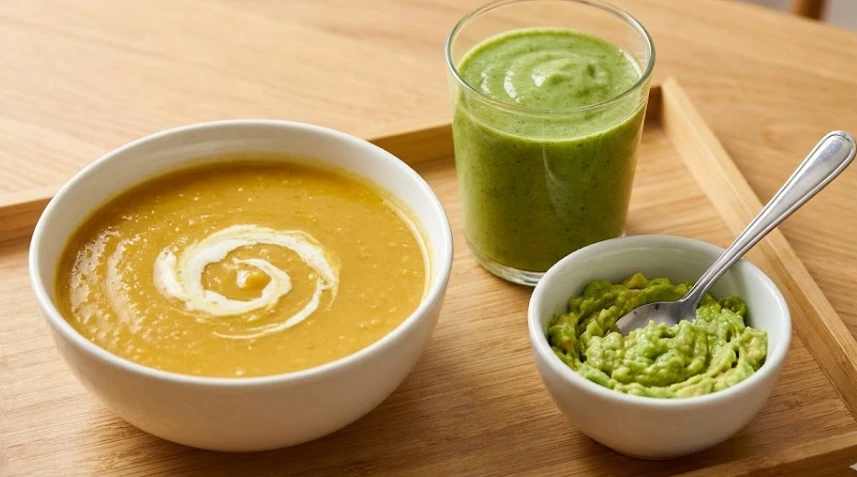
The question remains: what can you actually eat? You need fuel for repair, but you cannot use your teeth to get it.
- Protein-Dense Shakes: Vital for tissue regeneration.
- Pureed Soups: Think lentil or pumpkin, but served lukewarm. Heat is the enemy here as it can increase swelling.
- Greek Yogurt: High in calcium, zero effort to swallow.
- Smoothies: But skip the seeds. Small strawberry or kiwi seeds are like “sand in a gearbox” for healing stitches.
The Osseointegration Phase: The “Fork-Tender” Rule (Weeks 2–12)
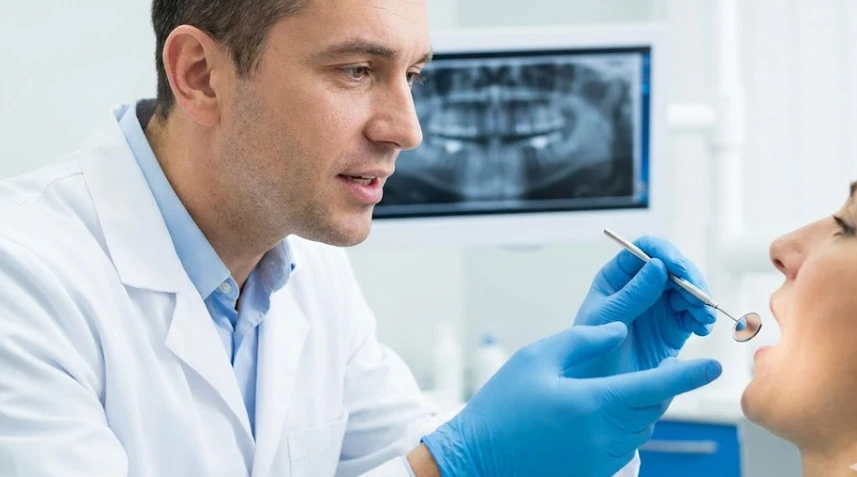
But let’s look closer at the transition. This is the period of osseointegration, where your jawbone starts a “slow, quiet conversation” with the titanium. It is literally growing into the implant threads. At this stage, you can move to “fork-tender” foods. If you can’t mash it easily with the back of a fork, it shouldn’t be in your mouth.
Here is what we see in the clinic: patients feel great by week three and think they can handle a steak. This is a dangerous mistake. The bond is still immature.
Dietary Safety Guide for All-on-8 Recovery
| Food Group | The Green Light (Safe) | The Red Light (Danger) |
| Proteins | Flaky white fish, scrambled eggs, tofu | Tough steak, chewy chicken, crusty calamari |
| Grains | Overcooked pasta, oatmeal, soft pancakes | Popcorn, crusty bread, sticky rice |
| Vegetables | Mashed potatoes, steamed zucchini | Raw carrots, corn on the cob, celery |
| Snacks | Hummus, soft cheese, avocado | Nuts, seeds, hard candies, ice cubes |
The Mediterranean Advantage in Turkey
Success isn’t just about avoidance; it’s about active nourishment. Professor Doctor Coşkun Yıldız often notes that bone density thrives on specific micronutrients. This is where being in Turkey becomes a clinical advantage. The local Mediterranean diet—rich in Vitamin D3, Calcium, and Vitamin C—is the ultimate recovery fuel.
Soft-cooked seasonal vegetables and fresh, grilled sea bass are staple parts of the local cuisine in Istanbul and provide exactly what your bone cells need to “grip” those eight implants firmly.
Long-Term Habits: Protecting the Final Bridge
Once your permanent bridge is fitted at Lema Dental Clinic, the restrictions lift. You can eat almost anything. But the reality is that your new teeth, while incredibly strong, are not indestructible. We recommend treating them like high-end architectural porcelain.
Avoid “the three Cs”: Crushing ice, Chewing pens, and Cracking nut shells. You’ve invested in a world-class smile in Turkey; keeping it flawless requires a bit of lifelong common sense.
FAQ: Direct Insights for Your Recovery
Wait at least 48 to 72 hours. High heat dilates blood vessels, which can trigger secondary bleeding or increase throbbing pain at the surgical site. Keep it lukewarm for the first week.
This is a non-negotiable rule from Dentist Polen Akkılıç and her team. The suction can dislodge the blood clot in the socket, leading to “dry socket” or delayed healing. Drink directly from the cup.
Absolutely. Lentil dahl, silken tofu, and mashed chickpeas (hummus) are powerhouses for tissue repair. They require zero chewing and are packed with the amino acids needed for bone growth.
Don’t poke at it with a toothpick! For the first two weeks, a gentle rinse with warm salt water is the only safe way to flush it out. After that, we will show you how to use a water flosser.
The reality is that alcohol thins the blood and interferes with the antibiotics we prescribe. We ask you to stay away from it for at least the first ten days to ensure the initial “bone-to-metal” bond is undisturbed.
- Albrektsson, T., & Wennerberg, A. (2019). The impact of micronutrition on osseointegration protocols. Journal of Oral Implantology.
- Misch, C. E. (2014). Contemporary Implant Dentistry: Biomechanical Loading. Elsevier Health Sciences.
- Papanyridakos, P., et al. (2014). Full-arch restorations: Clinical outcomes and maintenance. International Journal of Oral Implants.
- Yıldız, C. (2025). Bone-Loading Dynamics in All-on-8 Systems: A Turkish Clinical Study. Lema Clinical Press.
- Gultekin, B. A., et al. (2020). Dietary influence on dental implant survival in Mediterranean populations. Journal of Stomatology.

