


Black tartar on teeth is also known as dental calculus. It comes about when plaque on teeth is left for a period and then hardens. Compared to soft plaque, tartar can not be removed through regular brushing or flossing as it binds fairly strongly to enamel. This accumulated deposit is usually found next to the gums as well as in places that can hardly be reached with a toothbrush. The mere fact that it also colors your teeth black puts you at risk of having gum disease, cavities, and tooth sensitivity at the same time. Therefore, finding it at an early stage and going for treatment by a professional are very vital.
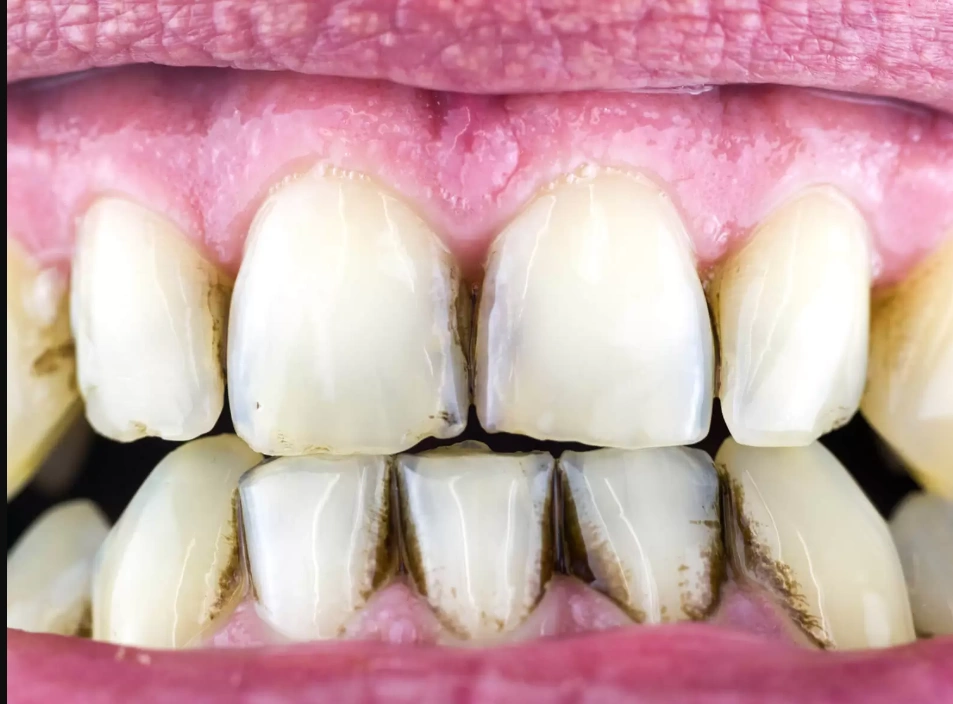
What Causes Black Tartar on Teeth?
The main factors of black tartar include not only bad habits but also the lack of good dental care, even if you have a healthy diet. The knowledge of the causes of tartar makes the patients responsible for their own oral health.
1. Poor Oral Hygiene
If a person does not look after their oral care daily, plaque will develop on their teeth. Plaque refers to a film of bacteria that sticks to the teeth after the person has eaten or drunk. Minerals from the saliva cause the soft plaque to become hard. More and more plaque will fasten to the rough surface and tartar thickening and growth will continue. Therefore, brushing, flossing and rinsing are what every person should practice as a part of their daily routine in order to avoid tartar buildup.
2. Smoking and Tobacco Use
Almost all tobacco products such as cigarettes and chewing tobacco, to mention a few, are the main sources of the quickening of tartar formation. Tobacco smoke infuses the mouth with chemicals which in turn cause the secretion of bacteria that lead to a black discoloration of teeth. Smokers are not the only ones who encounter this problem. They very often get it faster and more easily than non-smokers, and also, the deposits become pretty difficult to get rid of.
3. Dietary Habits
Drinking coffee, tea, red wine, cola, and the use of dark-colored sauces and certain kinds of berries lead to staining and deposition of minerals on the teeth. These materials come into contact with plaque, causing the hardening process to be faster, and as a result, black or brown coloring appears. Cutting these foods and drinks or washing the mouth after intake will help to avoid tartar build-up in the mouth.
4. Genetic and Salivary Factors
There are persons whose saliva is rich in minerals and as a result, tartar hardens in their oral cavity. The inherent predisposition also has an impact on the components of enamel, the structure of gums, and the balance of bacteria in the oral cavity, thus affecting the ease of tartar formation.
5. Irregular Dental Visits
Over time, plaque can turn into tartar if dental check-ups are neglected. Along with the elimination of the tartar that has already accumulated, an unhealthy professional dental cleaning also aids in maintaining a healthy oral condition, detecting early symptoms of gum disease, and preventing other problems.
Signs and Symptoms of Black Tartar
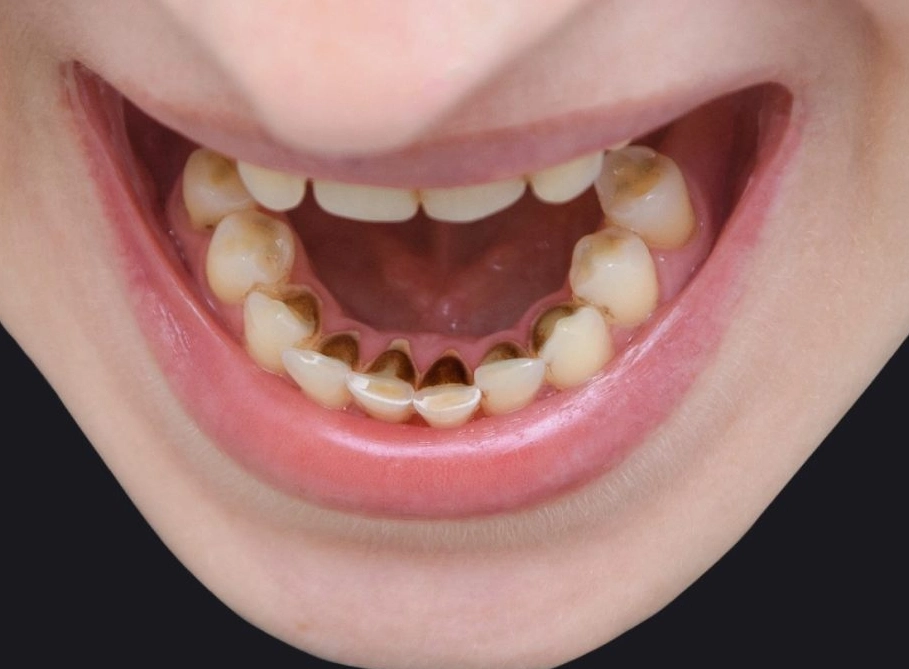
Black tartar in its early stages can still become a problem without being noticed. The visible or functional symptoms can be presented to the patients as the deposits grow.
- Visible dark deposits: These are the deposits that can usually be spotted close to the gum line, especially on the lower front teeth.
- Gingival irritation: Inflammation of gums results in red, swollen, or painful gums which indicates the occurrence of gingivitis. The accumulation of plaque on the teeth is identified as the number one cause of this observation hence forth the attention that it deserves in treatment.
- Oral malodor: The bacteria that have been accumulating in the mouth are releasing compounds that cause the persistent bad smell. Therefore, it is not surprising that bad breath can be described as a clear sign of a tooth or gum problem for which the poster of this sign is a clear signal to take action.
- Dental hypersensitivity: Due to the production of excess plaque by the bacteria and the consequent formation of tartar, the gums and enamel can get irritated meaning that the subsequent exposed teeth become susceptible to heat.
- Increased risk of cavities: Bacteria within the tartar cause the continuing erosion of the enamel which facilitates cavity development; first, the enamel withstands plaque build-up with the coating first, involving then.
Timely recognition of these symptoms allows the right professional intervention and thus, the development of periodontal disease is prevented.
Treatment Options for Black Tartar
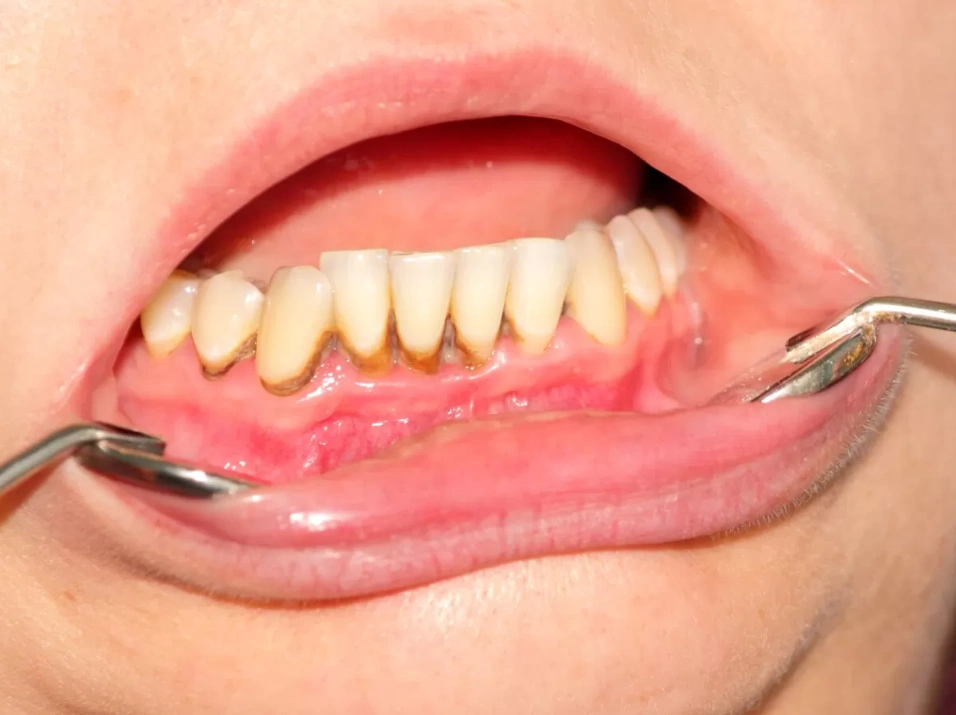
Various methods in the dental clinic can only remove black tartar. No home remedy can do it safely.
1. Scaling
Scaling is the treatment that leads to the removal of tartar. Dental professionals make use of either the manual or the ultrasonic instruments to clean the whole area around the gum line, both the part above the gum line (supragingival) and the part below it (subgingival). With scaling bacteria are removed from the surfaces they have infected and oral health is re-established.
2. Root Planing
For those with gum disease, root planing is done along with scaling. Root planing essentially makes the roots of teeth smooth and therefore, bacteria have less chance to attach and also the gums get less inflamed as a result of the procedure.
3. Ultrasonic Cleaning
Ultrasonic tools operate at very high frequencies to detach the tartar from your teeth. This method is efficient as it causes less pain, makes the time of treatment shorter, and the cleaning of difficult areas is easier.
4. Polishing
The dentist applies the dental prophylaxis paste to polish after scaling. Polishing the enamel strengthens the surface, thus plaque and tartar will have a harder time sticking to the surface.
5. Preventive Home Care
Good oral care is essential in the prevention of relapse after professional treatment:
- Brush your teeth at least two times a day with a fluoride toothpaste.
- Floss daily once to clean the area where teeth meet because this is a place where plaque is formed.
- Use mouthwash with an antiseptic that will kill the bacteria in your mouth to lower the number of bacteria.
- Try to rinse with water or cleaning your teeth if you have consumed some staining food or drink.
6. Daily Habit Adjustments
They are recommended to gradually reduce smoking and intake of coffee, tea, and foods and drinks with dark colors, and finally quit them. It is very good for saliva production, which is the natural cleanser for the mouth.
Long-Term Prevention
Black tartar is able to come back again if the preventive measures are not maintained. The following are the recommendations of dentists:
- Regular dental check-ups every 6 months
- Routine professional cleanings
- Avoiding oral diseases and maintaining good oral hygiene through proper brushing and flossing at home on a daily basis
- Healthy dietary choices that limit staining agents
- A wholesome abstinence from tobacco products
Adhering to these steps, people should be capable of experiencing less dental diseases, a decrease in plaque and overall oral hygiene improvement.
Risks of Untreated Black Tartar
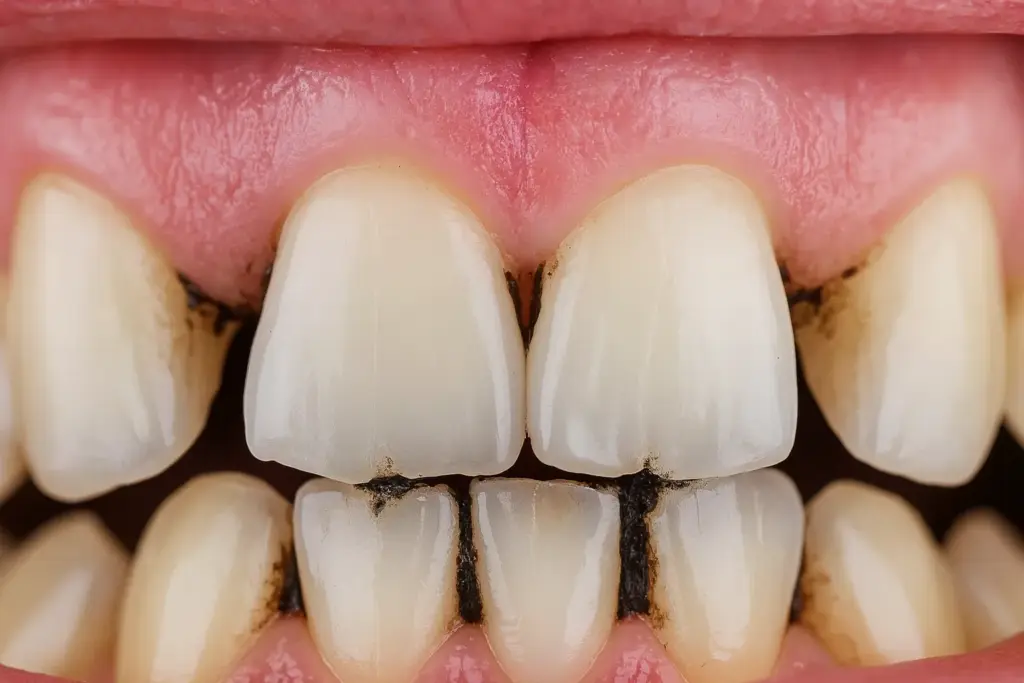
Black tartar, if left untreated, may cause:
- Periodontal disease: In particular, periocomorbidities can destroy the organs of soft tissues and bones that support them.
- Tooth decay: Because tartar encloses bacteria, the decay of enamel proceeds rapidly.
- Tooth loss: A decrease in gum disease intensity can result in tooth separation or the need for removal.
- Systemic health effects: Oral inflammatory process chronicity has been correlated with heart disease, diabetes, and some other disorders.
Intervention at an early stage can save teeth, gums, and the whole body, thus emphasizing the value of professional care.
Conclusion
Black tartar on teeth is an issue that may be prevented and resolved. This comes from the minerals that develop in the plaque on the teeth, bad oral hygiene, smoking, the way a person eats, and genetics. Good dental cleaning, home care, and lifestyle changes offer pleasing and efficient solutions. Patients, who practice preventive programs, get a healthy mouth over time, do not allow the reappearance of tartar, and maintain the natural appearance and use of their teeth.
References:
- American Dental Association. Calculus (Tartar) on Teeth. ADA Oral Health Topics. https://www.ada.org/resources/research/science-and-research-institute/oral-health-topics/calculus
- Kinane, D. F., Stathopoulou, P. G., & Papapanou, P. N. (2017). Periodontal diseases. Nature Reviews Disease Primers, 3, 17038. https://doi.org/10.1038/nrdp.2017.38
- Pihlstrom, B. L., Michalowicz, B. S., & Johnson, N. W. (2005). Periodontal diseases. The Lancet, 366(9499), 1809–1820. https://doi.org/10.1016/S0140-6736(05)67728-8
- Van der Weijden, F., & Hioe, K. P. (2005). Oral hygiene care for the prevention of periodontal diseases. Periodontology 2000, 37, 50–59. https://doi.org/10.1111/j.1600-0757.2004.03722.x
Frequently Asked Questions: Black Tartar on Teeth
Black tartar results from the buildup of plaque that has gone through the process of mineralization over time, which in most cases has been caused by insufficient oral hygiene, smoking, or the intake of dark-colored foods and drinks.
Without professional intervention, home care is not sufficient in removing the hard black tartar that has been deposited on the teeth; therefore, dental cleaning by a dentist is needed to be able to eliminate it safely.
Indeed, black tartar, through its crevices, is a haven for bacteria, which is the main cause of tooth decay and other oral health issues.
Brushing, flossing, cutting down on staining foods and drinks, and getting a professional cleaning every six months will go a long way in preventing tartar buildup.
Black tartar is a possible ulcer-inducing agent for the gums, thus inflammation, bleeding, and the possibility of periodontal disease are the consequences of its presence and that it is not eliminated.

