In the past, whenever a set of wisdom teeth appeared on an X-ray, the first thing that would come to the minds of many dentists would be to advise their removal, even when the molars were not giving any problems to the individual. It was, however, a normal routine that was carried out with a lot of nonchalance, especially among young teenagers who were in their transition to adulthood. But has the dental world been stagnant since such days?
A lot has changed in recent years in the practice of dentists from around the world in the area of wisdom teeth. Modern research and being ethical dentists have shifted the view from the typical perspective of pulling out the third molars. Currently, if your wisdom teeth are in good, healthy condition and they are not positioned in a way to hurt your oral cavity, the dental fraternity is in consensus on the fact that it is not advisable to remove them.
Before we start star gazing through the hole, looking for the development, discover why it may be ideal for you to keep your molars of wisdom teeth instead of following the conventional train of thought or waiting for some sort of plan.
What Are Wisdom Teeth, and Why Do We Even Have Them?
In simple terms, wisdom teeth are the final set of molars that grow along the jawline. They usually grow in adolescence or early 20s, part of a group known as the third molars.
In the previous years when people led lives, hunted, and ate meat that utilized raw flesh and other coarse foods, these were the teeth that were best adapted for chewing. The architecture and structure of these teeth suggest that their purpose was to enable people to chew these courses very effectively.
Modern food habits and mouth anatomy continue to change over many years. Only a few people nowadays can accommodate the additional third molars within their jaws, which is why the extra teeth are often considered to be troublemakers. These include the issues surrounding misaligned teeth, impacted as well as the course for overcrowding. However, this should be viewed with the understanding that not every wisdom tooth possesses the factors of danger for an individual who possesses it.
New Research: Not All Wisdom Teeth Are Problematic
The thought of the ingestion of unnecessary medicines and the acquisition of new lesions
However, it may not be medically necessary to remove those wisdom teeth if:
- Patients are subjected to possible surgical negligence that cannot in any way be avoided, as the removal of healthy teeth is more dangerous than leaving them intact.
- Nerve injury may occur, which can damage or prolong the healing process and thereby hurt the quality of life for those people.
- Complications may arise after surgery, such as dry socket and infection, which just add to the clear disadvantages of this procedure.
In summary, if the wisdom teeth are not broken, infected, or causing damage to the other teeth, then any surgery in this regard cannot be justified, as this will only lead to additional pain and medical expenses.
When Wisdom Teeth Should Still Be Removed
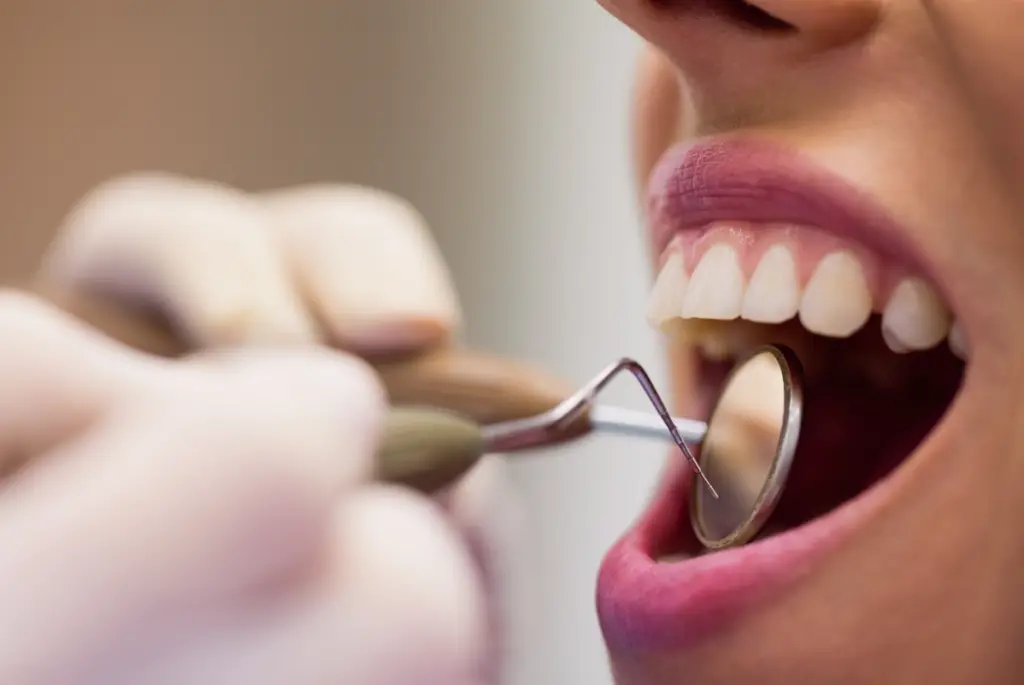
Even though numerous organizations have concentrated on preserving teeth, there are situations in which surgery becomes mandatory. A few of them include the following:
- If the teeth are in such conditions that they are stone under the gum or bone, they may not be able to grow and erupt as required, hence, they need to be taken out.
- If a cyst or a tumor forms around the tooth, it can eventually grow and cause the loss of such teeth and, consequently, should be removed before it escalates.
- If the back teeth develop recurrent infections or gum disease, that can lead to very painful and costly fillings, and hence, the back molars should be removed.
- If the teeth in your mouth are crowding or damaging their neighbors, it will be seen to systematically remove such teeth so that the other teeth may grow and strengthen further.
- When pain or swelling does the disturbing whisper, such signs may indicate some infection or problem with the wisdom teeth that requires their prompt treatment.
If you are suffering from any problems, then one phone call to the dentist and extraction of the wisdom teeth could be the right treatment for any personal situation.
Experts Now Focus on Monitoring, Not Immediate Surgery
Instead of rushing for surgery for a lot of years and a lot of wisdom teeth removal, a lot of dentists are now suggesting wise waiting and the conservative strategy.
It is about the examination of wisdom teeth with the help of regular dental visits and X-rays. Upon identifying a problem with the dental organ, such as decay, bad breath, or tooth movement, the doctors can link that movement to the pain.”
Think of when your tire goes flat on your car, and you then replace the spare as soon as it goes flat. If there is no problem with your teeth, there should be no procedure done on them either. Wisdom teeth removal is such an example.
Myths About Wisdom Teeth – Debunked
“They’ll cause problems later.”
It is not always so. Many people carry their Greeks for a lifetime without any major problems.
“You should remove them while you’re young.”
At an early age, the postoperative healing process will generally be faster than at a later stage, but this doesn’t imply that healthy teeth should be removed.
“Wisdom teeth always cause crowding.”
Most of the time, the allegations of crowding with wisdom teeth are an afterthought, while the research is showing that it’s the genetics or the movement of the teeth that is responsible for the crowding.
Tips for Keeping Your Wisdom Teeth Healthy
If you are ready to keep your wisdom teeth in place, then make sure you take the following actions:
- Thoroughly clean your teeth by brushing and flossing; pay special attention to hard-to-reach parts at the back.
- Keep your teeth clean by using a water flosser or an interdental brush.
- Get a dentist to carry out regular check-ups and take your X-rays
- For any pain, swelling, or changes, don’t hesitate to contact your dentist
Final Thoughts: Trust the Experts, But Ask Questions
Dental care is advancing — and it’s a change for the better. You should receive the treatments that are aimed at your health, not because they are a part of the tradition that the dental team repeats. If your dentist says that your wisdom teeth are in the best shape, they most likely are. However, you should still ask for a 3D scan or request a second opinion if you’re not sure.
At Lema Dental Clinic, we prioritize preventing problems and utilize only the most advanced technology available. The first priority of our team is not to remove teeth unless absolutely necessary, but we still thoroughly discuss every single process.
FAQ: Wisdom Teeth & Removal Decisions
No, only those that are causing trouble by for example, by being infected, impacted, or crowded, are to be extracted.
Most individuals experience the eruption of their wisdom teeth between the ages of 17 and 25.
Certainly, as long as they are not causing any trouble, are completely grown, and are easy to clean.
If the situation is observed and there are no problems, there is usually no risk.
With the contemporary methods available, the whole process is bearable; however, if there is no real need for the corollary, it is always nice to be safe from the surgery and the subsequent recovery.