


What Are Pediatric Dental Crowns?
Pediatric dental crowns are the primary tooth restorations that help the teeth that have lost structural strength due to the extension of decay, defects in the enamel, or traumatic fractures. Dentist Polen Akkılıç and her team, through clinical examination and radiographic imaging, evaluate each tooth to decide whether a full-coverage restoration is necessary for preserving oral stability. Besides, a crown facilitates correct chewing, keeps pulp vitality safe, and prevents the premature loss of a baby tooth that can, in turn, cause abnormal spacing and delayed eruption of permanent teeth. The crown acts as a protective layer that covers the weakened tooth, thus, ensuring predictable function during the period when the child is dependent on that tooth for normal oral development.
When experts like Dentist Polen Akkılıç and Professor Doctor Coşkun Yıldız take care of the treatment, the crown not only maintains biomechanical stability but also stops recurrent decay by covering the areas where bacteria can no longer colonize because they are completely closed surfaces. The restoration makes the tooth capable of normal functioning without any sensitivity or pain. The crown with the help of strong dental cement that holds it tightly, is thus able to resist the forces that are produced during mastication and stabilize the child’s bite pattern. As a result of this, facial growth, phonetic development, and proper occlusal alignment, which are the characteristics of early childhood, are preserved.
Types of Pediatric Dental Crowns
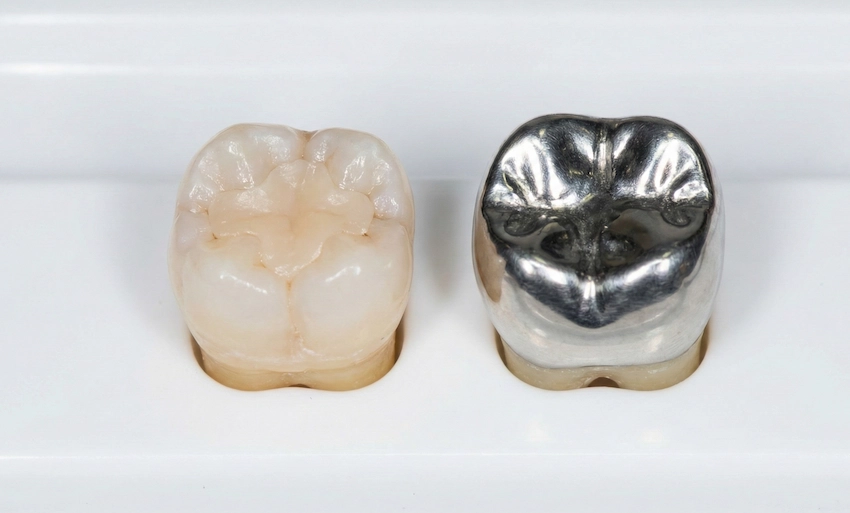
The pediatric dental specialists provide several crown materials that cater to the functional and aesthetic needs of children. To this day, stainless steel crowns continue to be the best solution for back teeth as they can withstand heavy biting forces and offer durable wear over an extended period of time. Dr. Polen Akkılıç and her staff most times use stainless steel when a molar has a deeply decayed dentin or needs a pulpotomy treatment.
In a case where a natural look is a must especially for the front teeth, zirconia crowns are the perfect aesthetic, biocompatible substitute. Their sleek, polished surface makes plaque less likely to deposit and hence, it is easier for the gingival tissue to stay healthy.
Composite resin crowns also become a possibility for patients requiring a tooth-colored restoration with no need for the high compressive strength of zirconia. Resin works well with front teeth that have suffered moderate structural loss. Professor Doctor Coşkun Yıldız and his team of experts decide on the crown by first assessing the factors of durability, translucency, biocompatibility of the material, and the resistance to functional forces provided by each type of crown. The material they choose is always the one that is most conducive to healthy oral development and long-term stability in the child.
Types of Pediatric Dental Crowns and Their Clinical Uses
| Crown Type | Material Composition | Ideal Location | Primary Clinical Advantage |
| Stainless Steel | Medical-grade steel alloy | Posterior molars | Highest durability under chewing forces |
| Zirconia | Zirconium dioxide ceramic | Anterior or posterior | Natural aesthetics and excellent biocompatibility |
| Composite Resin | Tooth-colored resin | Anterior teeth | Cosmetic improvement with moderate strength |
Are Pediatric Crowns Safe?
Quantum pediatric crowns are safe when biologically compatible restorative materials are used, research clinically supports them, safety standards are in place, and a qualified clinician puts them on.
Dentist Polen Akkılıç and her team use materials such as stainless steel alloys, zirconia ceramics, and high-quality dental resin that do not hinder natural tooth eruption or systemic health. Every element goes through extensive lab testing to be sure it is safe for children. The patient’s comfort is ensured by the local anesthesia, which is usually lidocaine, and no pain is felt during the procedure.
Besides that, crown insertion is also a great support for oral stability in the long run as it stops the deepening of decay, pulp infections, or tooth fractures. Early placement of crowns leads to a lowering of the dental emergency situations that may require treatment, and thus there is no need for antibiotics and advanced procedures. Professor Doctor Coşkun Yıldız states that biocompatible materials and evidence-based techniques are less likely to cause complications and that they protect the dentition that is in the process of development. Besides that, these restorations facilitate the maintenance of clean gingival margins and the promotion of good oral hygiene as they create smooth surfaces that are resistant to plaque and natural tooth eruption.
How Long Do Pediatric Crowns Last?
- Generally, dental crowns for children continue to be effective until the time when the baby tooth falls off naturally, and this period depends on the age and development of the child.
- Stainless steel crowns made by Dentist Polen Akkılıç and her team are the most durable ones as they are resistant to the chewing pressure and the exposure to moisture that is a part of the daily routine.
- Zirconia crowns keep their beauty and functionality for several years because they are very difficult to break, they are biocompatible, and have low plaque retention.
- The crowns in the mouths of children will be with them for a longer period if they are brushed twice a day with fluoride toothpaste and dental visits for professional evaluation are not skipped.
- The diet also affects the condition of the crown; by not eating sticky and highly sugary products, both the crown and the natural tooth under it will be safe.
- Regular visits allow Professor Doctor Coşkun Yıldız to check the crown edges, detect gingival irritation at an early stage, and ensure that the tooth is still healthy.
- Most of the crowns remain in a stable condition and do not need to be repaired as their full-coverage design is a way of giving extra strength to the tooth and preventing new decay from forming around the areas of weak enamel.
Why Are Crowns Used on Baby Teeth?
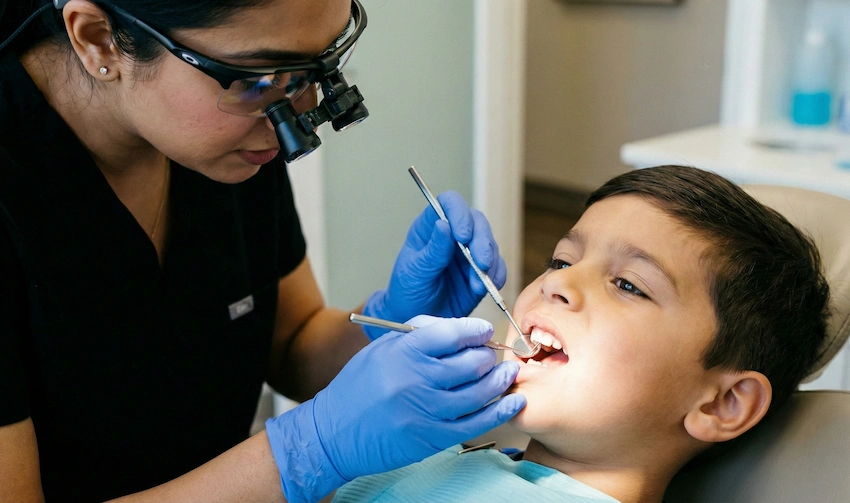
Crowns are used to bring back the structural strength of the tooth when decay has destroyed so much enamel that a standard filling cannot be supported. Besides, primary teeth are the first teeth that eventually become permanent ones, guide the eruptive path, help in the formation of normal speech, and provide the efficiency of chewing. The premature loss of a baby tooth may cause malocclusion, drifting of the adjacent teeth, or abnormal development of the dental arch. Dentist Polen Akkılıç and her team apply crowns to these teeth in order to stabilize the child which keeps functional oral patterns and avoids unnecessary orthodontic complications.
Besides, crowns hinder bacteria from spreading to the pulp chamber thus decreasing the chances of pulpotomy or tooth extraction. After the dentists have fortified the compromised teeth, they can definitely ensure their functional use and also, protect the oral mucosa. Professor Doctor Coşkun Yıldız always emphasizes that the maintenance of primary teeth until their natural shedding is the prerequisite of normal facial growth and proper occlusal development. Therefore, a crown is a vehicle for that by restoring the tooth’s resistance and sealing the breach making it structurally fail not happen again.
When Do Children Need Dental Crowns?
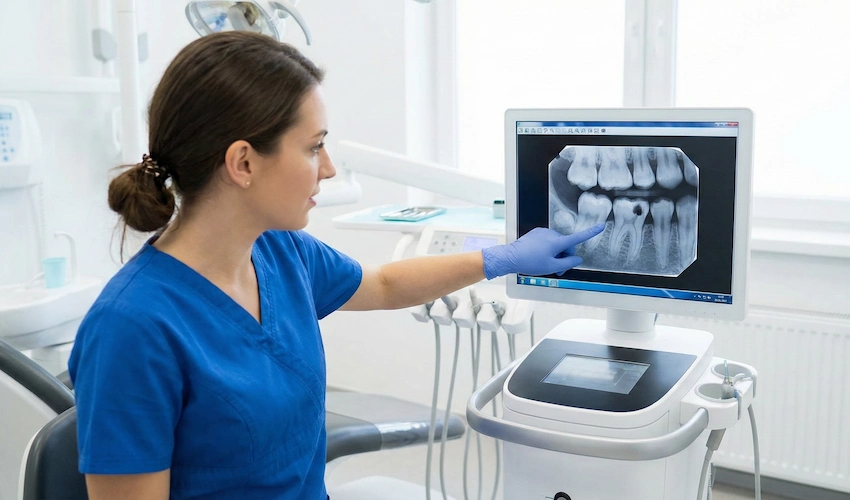
Kids need dental crowns when decay goes deep into the dentin, when enamel defects cause loss of the structural integrity, or when the tooth is fractured by a traumatic impact. If pulp therapy, for example, a pulpotomy, is performed, then a full-coverage restoration is usually required to prevent reinfection. Dentist Polen Akkılıç and her team use radiographs, pulp vitality tests, and clinical examination to decide which tooth needs support. Crowns keep the natural teeth, are a source of less pain, and let the child chew properly without oral development being compromised.
Another reason for placing a crown is amelogenesis imperfecta or enamel hypoplasia, conditions in which enamel is formed improperly and the teeth become severely deteriorated very fast. When the clinicians detect these defects at an early stage, they apply crowns to protect the teeth from undergoing gradual damage. Professor Doctor Coşkun Yıldız points out that full-coverage restorations remove the need for invasive treatments, decrease bacterial colonization, and stabilize the teeth in the process of growing until the natural exfoliation stage.
Crowns or Fillings: Which Is Better for Children?
- Fillings are used to repair small or moderate cavities, while crowns are used to restore teeth with deep decay or structural loss that cannot hold a filling securely.
- Fillings are supported by the remaining enamel, whereas crowns provide full-coverage reinforcement that not only stabilizes weak teeth, but also prevents their fracture.
- Dentist Polen Akkılıç and her team decide on the use of fillings when the tooth has enough strength; they decide on the use of crowns when the tooth needs long-term durability and protection.
- Under the influence of powerful chewing forces, fillings could fracture, e.g., on molars; however, crowns are able to keep the tooth stable even when the pressure of the chewing is high.
- Putting fillings in the teeth is like a short-term fix, while crowns keep the tooth safe for the whole life of the baby tooth, therefore decreasing the need for additional interventions.
- Fillings are often done with minimal work on the tooth, however, after pulpotomy, crowns are the choice as they prevent reinfection and protect the remaining dentin.
- Professor Doctor Coşkun Yıldız makes the decision to use fillings when decay is localized, however, he advises the use of crowns when the child requires functional predictability, increased durability, and oral stability.
Frequently Asked Questions About Pediatric Dental Crowns
Pediatric crowns are safe because they use biocompatible materials that support healthy oral development. Clinicians apply them with precise techniques that protect the surrounding tissues and maintain natural eruptive patterns.
Most crowns remain functional until the baby tooth exfoliates. Their longevity improves when children maintain good oral hygiene and attend routine dental visits.
Crowns reinforce structurally compromised teeth that cannot support a filling. They provide full-coverage protection and prevent fractures or reinfection.
Zirconia and resin crowns provide tooth-colored aesthetics for visible areas. Stainless steel remains ideal for molars where strength is the priority.
Children can chew comfortably after the crown stabilizes. Dentists may recommend limiting sticky foods that exert excessive tension on the restoration.
Local anesthetics such as lidocaine ensure a comfortable treatment. Temporary sensitivity usually resolves quickly as tissues heal.
Many dental insurance plans cover medically necessary pediatric crowns. Parents should verify coverage details with their provider.
- Handelman, S. L. (2015). The role of stainless steel crowns in pediatric dentistry. Pediatric Dentistry, 37(3), 145–152.
- Kupietzky, A., & Waggoner, W. F. (2014). Zirconia pediatric crowns: Clinical review and update. Journal of Clinical Pediatric Dentistry, 39(2), 89–94.
- Kindelan, S. A., Day, P., Nichol, R., Willmott, N., Fayle, S. A., & British Society of Paediatric Dentistry. (2008). UK national clinical guidelines in paediatric dentistry: Stainless steel preformed crowns for primary molars. International Journal of Paediatric Dentistry, 18(1), 20–28.
- Waggoner, W. F. (2015). Restorative dentistry for the primary dentition. Dental Clinics of North America, 59(4), 883–897.
- Rodd, H. D., Waterhouse, P. J., Fuks, A. B., Fayle, S. A., & Moffat, M. A. (2006). Pulp therapy for primary molars. International Journal of Paediatric Dentistry, 16(1), 15–23.

