


What Is Dental Wax?
Dental wax is a medical and protective material of the highest grade, which shields the oral tissue that is inflamed from mechanical friction. The patients are usually the ones who put it to use when sharp elements of orthodontic brackets or fractured enamel irritate the cheek, lip, or tongue area by pressing them. Generally, the wax is made out of a paraffin or beeswax blend aimed at being stable at typical temperatures so that a user can be safe throughout the day. Dentist Polen Akkılıç and her quartet state that dental wax is the one that brings relief to a very short period of time to patients who undergo orthodontic treatment or are waiting for restorative care.
In spite of the fact that dental wax provides a relief that is instant but it doesn’t substitute dental examination and clinical treatment. Professor Doctor Coşkun Yıldız points out that the best moment to use dental wax is after a traumatic event or at the initial period of sensitivity caused by enamel fractures followed by the period of wear or the time when the bracket has just been fixed. Patients are thus very much relieved while performing such tasks as talking, swallowing, and chewing, and they can go on with their everyday activities until the time has come for the doctor to perform the definitive therapy which may include composite bonding, placing a crown, or realigning the bracket.
How To Use Dental Wax?
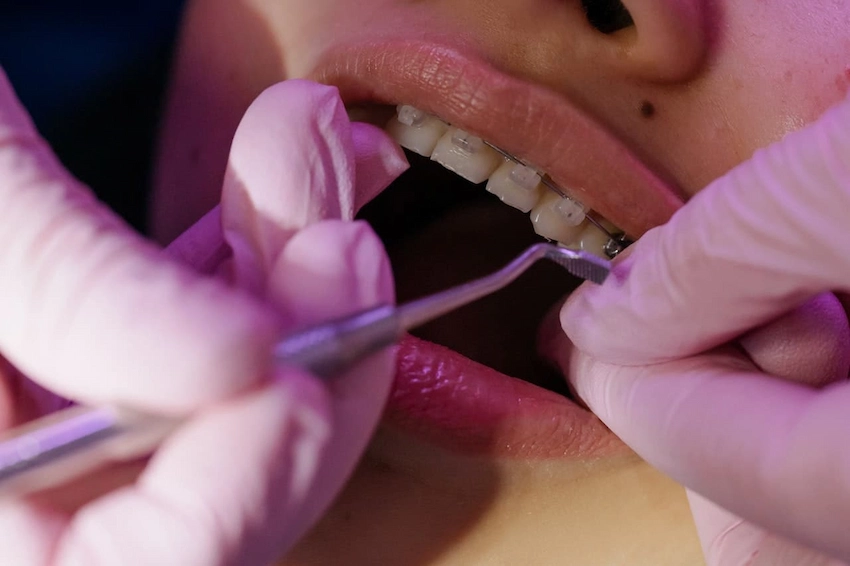
Before anyone starts to put the wax on, they are required to wash their hands properly to make sure they are free of bacteria. It is also extremely important to get the tooth surface ready; the area should definitely be dried with sterile gauze before the wax is put on because the presence of moisture will definitely make the wax less adhesive. A little bit of wax is heated by rubbing it between the fingers and then, it is firmly pressed on the surface that is irritating. In case the operation is done properly, it will level the surface and therefore, the tissues will be very much relieved.
Dr Polen Akkılıç and her team of dentists recommend that their patients keep an eye on their wax throughout the day and change it after having a meal or when it gets worn out.
If necessary, a patient should brush their teeth using a soft-bristle toothbrush in a gentle manner and then rinse their mouth with warm water or a saline solution so that the remnants of the food are removed. This helps oral hygiene and does not allow plaque to accumulate in the area where the wax has been applied.Professor Doctor Coşkun Yıldız thinks that patients who do the right thing and put the material on properly get continuous relief and especially if they are undergoing orthodontic adjustments or have temporary enamel fractures, their tissues heal faster.Wax being clean means that its protective role can last for several hours.
The Do’s & Don’ts of Dental Wax
Do’s
- If you clean the area with some softness prior to using dental wax, that will lessen the bacterial load and also the wax will stick better.
- Make sure that the tooth surface is completely dry before the dental wax is applied as this will help the wax to be stable throughout the day.
- Take a small piece of wax and rub it between your fingertips to make it soft and then it will be able to fit tightly to the surface.
- Along with the advice of Dentist Polen Akkılıç and her team, be sure that you are replacing the wax as frequently as required in order to maintain the protection.
- Wear dental wax during the first days of the orthodontic adjustments and in the case of a mild enamel fracture, this will help you to reduce the irritation and the soft tissue will heal faster.
Don’ts
- Dental wax should not be used as a long-term means of substitution for proper dental treatment. Wax is incapable of repairing enamel fractures, treating pulpitis, or correcting bracket displacement.
- Do not put wax on wounded areas, bleeding that is not stopped, or parts that are infected because it is against the hygiene principle and it also prolongs the time required for healing.
- While you are wearing wax, refrain from consuming hard, sticky, or crunchy foods as these can dislodge the wax easily.
- Don’t keep the same dental wax on your teeth for several days; fresh wax is better when it comes to hygiene and comfort.
- As Professor Doctor Coşkun Yıldız points out, refrain from placing an excessive amount of wax on a broken tooth as it not only destabilises the surface but also makes cleaning difficult.
Advantages of the Dental Wax
One of the major benefits of dental wax is that it helps to quickly relieve symptoms in patients who are undergoing orthodontic treatment. The wax acts as a physical barrier when it is placed on brackets or wires that cause the skin to be rubbed and thus, protects the skin from further irritation. There are many patients who announce that they feel more comfortable during the initial stages of the treatment when they are the most sensitive. Patients, under the supervision of Dentist Polen Akkılıç and her staff, are taught how to apply wax securely and hygienically for optimal relaxation.
The use of dental wax is not limited only to orthodontic patients; it is also a wonderful product for temporary enamel injuries. For example, if a tooth is chipped or broken in a way that exposes dentin and has a sharp edge, the wax would stop the surface from hurting the tongue or cheeks, which are common areas. Professor Doctor Coşkun Yıldız states that the temporary protection provided by dental wax is very important as it keeps the location stable while different diagnostic procedures like bite evaluation, percussion testing, or radiographs are carried out to decide on the correct restorative plan. Thus dental wax has become a necessary agent of at-home short-term care for the teeth.
When Should You Use Dental Wax for a Broken Tooth?
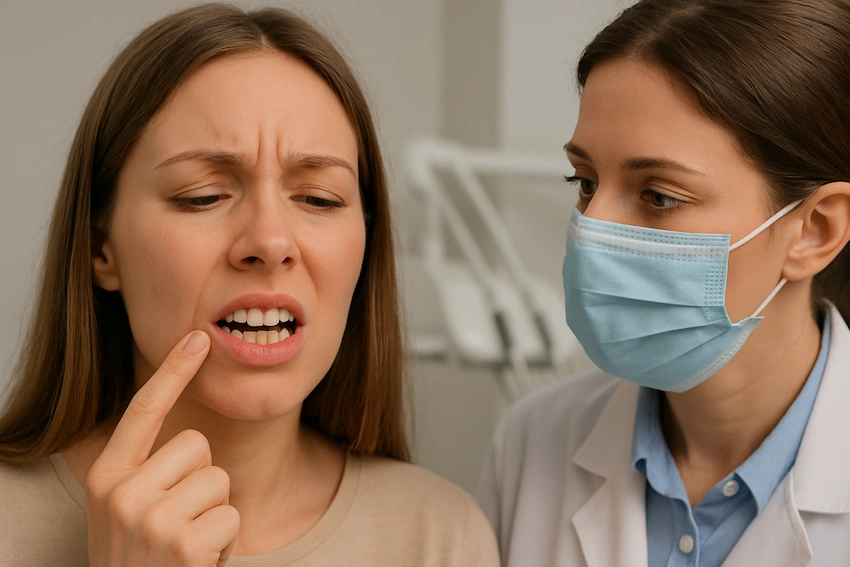
If a fractured tooth causes a sharp or uneven surface, dental wax must be applied without delay. The protective barrier is the one that prevents the sharp enamel edge from cutting the cheek or tongue, and this happens, most of the time, during speaking or chewing. Almost all patients with sudden enamel fractures are known to apply wax for the time left after the decision on composite restoration, temporary filling, or crown placement and before actually going in for the treatment. WF Dentist Polen Akkılıç and her team emphasise that wax makes patients feel at ease when the principal structural issue is being evaluated.
In addition, dental wax is a very useful instrument when a broken tooth results in mild thermal sensitivity. It can help to alleviate the symptoms as it covers the exposed dentin and thus, the person in question becomes less sensitive to cold air or to drinks. Professor Doctor Coşkun Yıldız explains that, although the dental wax may be helpful in reducing the discomfort experienced by patients, it does not actually protect the tooth from bacterial attacks. Hence, wax is only a temporary solution that helps provide comfort to patients while they plan for an appointment with a professional who will not only help prevent infection but also further enamel breakdown.
How to Use a Dental Wax for a Broken Molar?
Firstly, when a dental wax is to be applied to a broken tooth, the part should be cleaned with a soft toothbrush to bring down any debris and to stop contamination. It should be washed properly with warm water or saline, and then the surface should be dried with sterile gauze. Then, a small piece of wax should be taken, shaped, and put straight on the broken place after making sure that it is sticking tightly. The patients who carry out this method under the supervision of Dentist Polen Akkılıç and her team get relief immediately from the sharp edges and tissue irritation.
After the operation, patients are recommended to avoid chewing on the broken tooth side and keep an eye on the wax during the entire day. The wax, if it falls off or gets worn out, should be changed immediately. Professor Doctor Coşkun Yıldız, apart from this, also points out that, in the case of extremely broken/fractured teeth, one shouldn’t keep the wax in the mouth overnight without a proper check-up. Using the product correctly provides you with more comfort when you are in the stage of the last restorative treatments like bonding, veneers, or crowns.
Why Is It Necessary to See a Dentist?

Dental wax is a convenient way to prevent rubbing and irritation, however, it cannot structurally fix the teeth. For instance, fractured enamel, exposed dentin, pulp tissue inflammation, or a problem caused by braces are the situations that need a professional diagnosis and treatment.
While Dentist Polen Akkılıç and her team were conducting the clinical examination, they also used palpation, radiographs, and occlusal analysis to find the most inflamed tooth and determine the safest and most effective treatment plan.Only a professional intervention can lead to the return of normal functioning and long-term stability of the teeth.
An immediate dental check-up is a preventive measure against damage, infection, and unnecessary pain. Prof. Dr Coşkun Yıldız explains that a small wound becomes a big wound if not treated immediately, so early intervention not only shortens the healing time but also helps to avoid later complicated processes such as root canal therapy or extraction. Dental wax can alleviate the pain, but only a timely and proper dental intervention can actually bring about complete healing, restored function, and improved oral health in the long run.
Dental Wax Applications
| Clinical Situation | How Dental Wax Helps | What It Cannot Do |
| Orthodontic bracket irritation | Shields the inner cheeks and lips | Cannot reposition brackets |
| Broken enamel | Covers sharp edges | Cannot restore tooth structure |
| Minor temperature sensitivity | Reduces cold-air exposure | Cannot treat dentin hypersensitivity |
| Irritating temporary restorations | Smooths rough margins | Cannot fix poorly fitted restorations |
Clinical Advantages of Dental Wax
- Helps to relieve the irritation of the gums and inner cheeks caused by the wire of the orthodontic brackets
- Cups the area of a chipped or fractured enamel and thus relieves the discomfort caused by it
- Gives a temporary protection layer before the next stage of the treatment
- Prevents injuries to the soft tissues caused by the sharp edges of the teeth or the mouth
- Improves treatment compliance as the daily comfort level is increased by it
- It is safe, non-toxic, and if necessary,
References
- Kumar, R., & Patel, A. (2021). Clinical applications of orthodontic wax in managing soft-tissue irritation. Journal of Orthodontic Research, 14(2), 85–92.
- Lopez, M., Chen, Y., & Harris, D. (2020). Management of minor enamel fractures and temporary protective materials in dentistry. International Dental Review, 27(4), 301–309.
- Singh, P., & Morgan, T. (2022). Patient comfort strategies during early orthodontic treatment: A clinical evaluation. Journal of Clinical Dental Practice, 9(3), 144–151.
- Thompson, L., & Rivera, J. (2019). The effectiveness of dental wax in reducing mucosal irritation from orthodontic appliances. Oral Health & Preventive Dentistry, 17(1), 55–61.
- Williams, K., & Ahmed, S. (2023). Short-term management of chipped teeth: Protective measures and patient safety guidelines. Contemporary Dentistry Journal, 11(2), 112–120.
Frequently Asked Questions About Tooth Wax
Tooth wax protects irritated soft tissues from orthodontic brackets or broken enamel edges. It offers temporary symptom relief until professional treatment begins.
Dental wax is safe for short-term daily use when replaced regularly. Dentists recommend maintaining hygiene to prevent debris accumulation under the wax.
You can sleep with dental wax if it is securely applied. Replace it in the morning to ensure cleanliness.
Dental wax reduces irritation from sharp edges on fractured enamel. It does not repair the fracture but provides comfort before treatment.
Small accidental amounts are harmless due to their non-toxic structure. Replace the wax if it loosens to avoid swallowing larger pieces.
Dental wax usually stays in place for several hours. Replace it whenever it softens or loses shape.
Dental wax reduces irritation but does not treat the source of pain. Professional diagnosis is required for complete and permanent relief.

