


One of the necessary steps to a stunning and healthy smile is the use of braces. Besides, the procedure can be somewhat uncomfortable, that is to say, normally, the first few weeks when the mouth is getting used to the braces. A very comforting method to lessen this pain is dental wax. The present article is about the things that you need to know about dental wax when you have braces, such as its uses, the way you apply it, and the answers to the most common questions. If you are a beginner with braces or just want to come up with a means of your treatment which is less painful, then this manual will make the use of dental wax easier for you.
What Is Dental Wax for Braces?
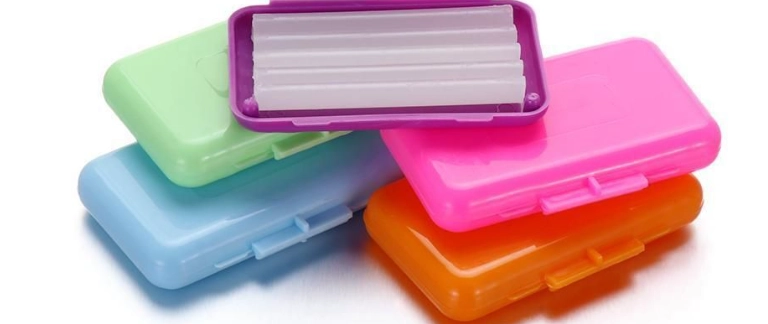
One of the easiest-to-handle products is dental wax, which is commonly used to cover the sharp metal parts of your braces, such as the brackets and the wires. Metal parts of your new braces or an adjusted one can, indeed, rub against the inside of your lips, cheeks, and gums, thus causing irritation and, in some cases, resulting in sores. Being a protective agent, dental wax surrounds the brackets and wires, thus creating less friction and, therefore, preventing the soft tissues of your mouth from being injured.
Dental wax is made of paraffin or other similar safe materials and is basically suggested by the orthodontist, for example, Dentist Polen Akkılıç and her team at Lema Dental Clinic, to provide a soothing effect when the oral cavity is irritated during the first stages of an orthodontic treatment. However, even if dental wax may be a great assistant, it is only allowed to be a temporary fix with the continuation of correct oral hygiene and care.
What Does Dental Wax Do for Braces?
Dental wax is a source of good things for patients who have to wear braces:
- Prevents Irritation: By covering the sharp edges of the brackets and wires the wax makes sure that these parts do not rub against the soft tissues inside your mouth.
- Enhances Comfort: Since dental wax creates a smooth surface, the use of metal parts of your braces during speaking, eating, and smiling will not cause you discomfort, thus activity continuance is easier.
- Protects Oral Tissues: As the wax serves as a cushion, it protects the inner parts of your lips and cheeks from the metal components of the braces, thus helping your mouth get used to the new appliances.
Professor Doctor Coşkun Yıldız at Lema Dental Clinic advises the use of dental wax in the first few weeks of wearing braces as a means of preventing the irritation which is usually caused by the metal brackets and wires.
How to Use Dental Wax for Braces
Using dental wax for braces is not complicated. Implement these easy steps to get the effect you want:
- Clean Your Hands: Prior to the wax handling, check if your hands are clean to prevent bacteria from entering your mouth.
- Detach a Small Piece: Select a small portion of wax, approximately the size of a pea.
- Prepare the Wax: Make the wax softer and moldable by either rolling it into a ball or small disk.
- Put on the Wax: The bracket or the wire that is causing discomfort is the place where you should put the wax. Make sure that the wax is covering the metal part completely.
- Take Off It Before Eating or Drinking: When eating or drinking, always take off the wax so that food will not get trapped between the bracket and the wax thus causing plaque buildup or decay.
Polen Akkılıç, the dentist, and her team at the Lema Dental Clinic suggest that patients apply wax to alleviate discomfort but at the same time maintain good oral hygiene by brushing and cleaning their braces regularly.
How to Apply Dental Wax for Braces
To make the wax work better, here are some tips that you can follow while applying it:
- Preparation: Before applying the wax, take a cloth or brush and clean around the area of the bracket or wire to remove food and plaque.
- Using a Small Amount: It is not necessary to use a big piece of wax, only enough to cover the metal part that is causing discomfort.
- Pressing The Wax: With your hand, gently press the wax onto the bracket or wire, make sure that it fits quite well and does not move.
- Comfort Checking: After the wax application, check whether it fits well, does not interfere with your ability to eat or talk, and is not too bulky.
Professor Doctor Coşkun Yıldız explains if the wax does not feel comfortable or is too big then you might need to change the amount you use or better fit it for another application.
How to Remove Dental Wax for Braces
Take off dental wax is an easy job but it’s better to do it carefully:
- Clean your hands: Always clean your hands with soap and water before touching the wax or your braces.
- Remove the wax: Carefully remove the wax that is on the bracket or the wire. Do not use sharp tools for this purpose.
- Brace cleaning: Once you have removed the wax, use a toothbrush to sanitize not only the bracket but also the neighboring area to clear away any wax remnants.
- The wax should be thrown away: Dispose of the wax that you have used and if necessary, get a new piece of wax.
For comfort that lasts a long time, Dentist Polen Akkılıç and her team suggest that you regularly change the wax so that it can remain efficient.
How Long Can You Leave Dental Wax on Braces?
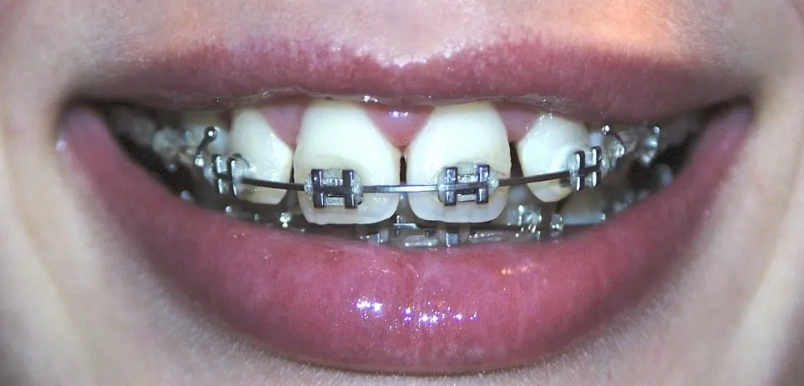
It is okay to have dental wax on the braces for a couple of hours, however, it is advisable to remove it when going to have a meal. If you eat while having dental wax on, food can get stuck in the wax and this may lead to plaque formation and other oral hygiene problems. Dentist Polen Akkılıç and her team at Lema Dental Clinic recommend that the wax should be taken off before eating and putting it back if needed during the rest of the day.
Can I Still Eat If I Have Wax on My Braces?
You should definitely take the wax off if it is on your teeth before you eat. If you eat while the wax is still on your braces, food can get stuck in the wax and as a result, plaque will accumulate and cavities or gingivitis may develop. Continuing with the comfort, after you have eaten, wash your braces and apply a fresh piece of wax.
Can I Drink Water with Braces Wax?
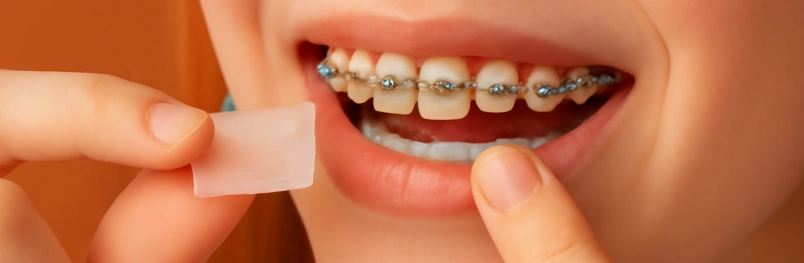
Sure, water can be drunk even if the wax is on your braces. If it is not water, but any other drink, then it is better to remove the wax to avoid the food or liquid from getting stuck in that place, which in the long run may cause oral health problems.
Can I Sleep with Dental Wax on My Braces?
You are allowed to sleep with dental wax on your braces. The wax will serve the purpose of protecting the inside of your mouth against irritation caused by the night. If by any chance, the wax gets off during your sleep, simply put it on again in the morning to keep the comfort going.
What Do I Do if I Run Out of Braces Wax?
When you are out of dental wax, temporary substitutes such as sugar-free gum or cotton balls may be used with a little help. Nevertheless, these alternatives are not as good as dental wax. It is better to contact your orthodontist like Dentist Polen Akkılıç and her team at Lema Dental Clinic, to get more wax as soon as possible.
Can I Brush My Teeth with Braces Wax on?
It is advised that you remove the wax before brushing your teeth. The wax that may be attached to your toothbrush will hinder the cleaning of your braces as well as the rest of your teeth. For proper oral hygiene, remove the wax and brush thoroughly before putting it back.
Can Dental Wax Damage Braces?
Definitely no; dental wax is not a component that can damage your braces. Actually, it is made in a way that it is safe to be used with orthodontic appliances. Nevertheless, to prevent that food from getting stuck, which can lead plaque to accumulate and thus other dental problems, you have to take off the wax before eating or drinking.
What Is Better Than Wax for Braces?
While dental wax serves as an ideal remedy for most patients, some prefer choosing options such as relief strips or silicone gel pads. These replacements can give more extended protection and comfort, particularly to individuals who become heavily irritated. Dr. Polen Akkılıç and her staff at Lema Dental Clinic are the people that can help you figure out the most suitable solution for you.
How to Properly Use Wax on Braces?
Here are the tips on how to properly use dental wax:
- Preparation: Make sure that your braces are clean and dry before the application of the wax.
- Using a Small Amount: A piece of dental wax as small as that of a pea is enough to cover the bracket or the wire that is the source of your discomfort.
- Pressing the wax: Put the wax over the metallic parts and press it gently but firmly, at the same time check that it remains in place.
- Removal during Meals: Always remove the wax from the mouth before eating or drinking and apply it again after the meal.
Suppose you are looking for personalized suggestions on the best and most efficient use of dental wax. In that case, you can definitely rely on the professional advice of the dentist, Polen Akkılıç, and her team at Lema Dental Clinic.
How Many Times Can I Reuse Braces Wax?
One can reuse dental wax throughout a few hours during a day but once the wax gets dirty or loses its function it needs to be replaced. If the wax is torn or it loses its ability to be molded, you should substitute it with a fresh piece.
What Is a Good Alternative to Braces Wax?
In case you don’t have dental wax on hand, products like silicone pads or relief strips for the orthodontic can assist you in alleviating the pain and providing you with some comfort. These alternatives are stronger and can serve for a more extended time to give you relief. Don’t forget to see an orthodontist like Dr. Polen Akkılıç and her team at Lema Dental Clinic to find out the best way to make you comfortable.
Conclusion
The dental wax for braces is a vital means to facilitate oral discomfort and prevent irritation that happens as a result of orthodontic treatment. You can do it comfortably by taking the simple steps mentioned above. For more help, visit the orthodontist Polen Akkılıç and her team at Lema Dental Clinic, expert care is always available.
References
- Johnson, H. L. (2019). Orthodontic care and comfort: Managing braces discomfort. Journal of Dental Care, 34(2), 105-120.
- Smith, J. R., & Lee, M. (2018). Braces management: A comprehensive guide to patient care. Dental Press.
- Adams, P., & Wright, S. (2020). Relief strategies for orthodontic patients. Orthodontic Review, 45(3), 210-225.
- Roberts, L. M. (2017). Dental care for patients with braces: Protecting your smile during treatment. London: Springer.
Frequently Asked Questions About Dental Wax for Braces
Any person can use dental wax; however, only those who have the metal parts of their braces that cause them irritation or discomfort should definitely make use of it. A device is very helpful in this situation, especially if it is the very first moment of use or after the process is done.
In the case of a broken bracket or a loose wire, dental wax can make the situation comfortable for a short time; however, it is not a permanent solution. You should, therefore, visit a professional repair technician as soon as possible.
That moment when the metal parts of the braces are fully covered with wax and you do not feel any sharp edges or discomfort is the indication that you have put on enough wax. If you still feel pain or irritation, then you should continue to put more wax.
You can still put on dental wax if you are using rubber bands, but make sure that it does not interfere with the placement of your bands. The wax should not be on the bands, but on the brackets.
In the event that dental wax is stuck in your braces, you can take it off with your fingers or a soft toothbrush. While doing it, do not harm the braces or irritate the gums. After that, be sure that your braces are clean.
Certainly, dental wax is one of the main causes of relief of pains at the very first moment of putting on the teeth. Besides, braces do not only irritate your metal but also help to protect your mouth from burns caused by the new ones.
Among different types the orthodontic wax that is made from the brace materials is the most ideal one because it is soft, lengthens, and generally safe to use in the mouth. Apart from the normal wax, some may be flavored or provided with antibacterials, which accordingly help to prevent irritation and infections. Always ask your orthodontist for the best option.

