


Pulp capping protects the tooth pulp and may prevent root canal treatment.
Deep tooth decay or an accident could really upset you. You might even panic and think of a root canal as an inevitable last resort. Or what is worse, the thought of having the tooth removed might haunt you.
The truth is, cosmetic dentistry provides us with efficient and simple ways to prevent such problems by intervening early. We can handle the matter even before it becomes irreversible.
At Lema Dental Clinic in Turkey, we emphasize preservation. We prefer to retain your natural, biological tooth structure as much as possible. One of the best techniques through which we achieve this is pulp capping.
Getting to Know the Most Vital Part of Your Tooth
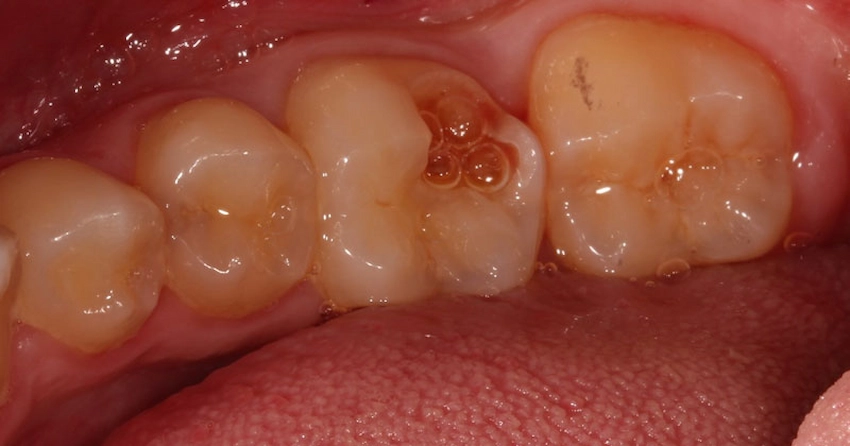
We need to understand the anatomy of a tooth before we comprehend pulp capping. Imagine your tooth as a highly fortified vault.
The enamel, like the metal door, is the outermost layer. Beneath it is the dentin that serves as an inner concrete layer. And the innermost part is the pulp – the delicate, living treasure comprising nerves and blood vessels.
When extreme decay comes through the steel door and even destroys the concrete casing, the pulp is left vulnerable. In the past, a pulp that was damaged resulted in a root canal by default.
There is no reason to panic if we have changed the way things work. Pulp capping is like a biologically intelligent “bandage.” The exposed nerve is covered with a special healing material. It prevents bacterial invasion while activating the tooth regeneration through the production of the dentin layer.
The Two Methods of Pulp Capping
Professor Doctor Coşkun Yıldız has made a very interesting metaphor. He often says that a successful tooth-saving needs a tooth-saving moment. The exact condition of the nerve at the moment of discovery must be examined. We decide what to do depending on the depth of decay:
- Direct Pulp Capping: It is a method used when the pink pulp tissue is fully visible. This can be a result of removing deep decay or sudden injury. A calming, healing paste is utilized before the tooth is sealed.
- Indirect Pulp Capping: It is a method used when the decay is very deep, but a tiny microscopic layer of healthy tooth is still protecting the nerve. The bad tissue is removed,d but that safe layer is left. Medicine is given so as to the tooth to rebuild its defenses from the inside.
The Clinical Pathway: What to Expect
The question remains: what actually happens when you sit in the dental chair?
Here is what we see in the clinic during this restorative process. Dentist Polen Akkılıç and her team handle these precise procedures every day using high-powered microscopes.
First, we completely numb the area so you feel zero pain. Next, we carefully clean out the decayed parts of the tooth.
If we decide pulp capping is the safest route, we wash the area with an antibacterial liquid. Then, we apply advanced materials, like Calcium Hydroxide or Mineral Trioxide Aggregate (MTA). These are not just basic fillings. They actively “talk” to your cells, telling your body to grow a natural bridge of hard tooth structure. Finally, we place a strong composite filling or a protective crown to keep the tooth safe.
Treatment Comparison Matrix
To help you understand your options, we have broken down the differences between common treatments below.
| Treatment Type | When We Use It | How It Works | Average Time | Success Rate |
| Indirect Pulp Cap | Deep decay, but the nerve is not exposed. | Triggers the tooth to grow a new protective layer. | 45 – 60 mins | Very High (85-95%) |
| Direct Pulp Cap | Pinpoint nerve exposure from decay or trauma. | Direct healing of the nerve tissue. | 60 mins | High (75-90%) |
| Root Canal Therapy | The nerve is heavily infected or dead. | Complete removal of the nerve and pulp. | 90 – 120 mins | Very High (90%+) |
Frequently Asked Questions
“No, we make sure you are numb during the whole procedure so you will not feel pain. After the effects of anesthesia are gone, your tooth may be sensitive for a few days. This is a sign your tooth has been activated and is healing.”
“A pulp cap can last for several years if the tooth is responsive and forms the natural dentin bridge. Most of the time, the pulp cap lasts for the whole life of the tooth. However, the health of the pulp cap will largely depend on your oral hygiene habits, such as brushing and flossing,g and attending regular dental visits.”
“In some cases, yes. The tissue damage may be beyond repair despite the use of the best medication and the most effective technique. In case the tooth gets infected or the pain does not subside in a couple of weeks after the capping, then there is a need to perform a root canal to stop the infection.”
“We always aim to keep the tooth alive. A tooth that is alive is able to withstand chewing forces, and it is stronger. The root canal procedure removes the blood supply, and this results in the tooth becoming brittle over time. Pulp capping enables the natural tooth to be preserved and kept functional.”
“Cellular healing itself can take some weeks and months. New hard tissue is being formed during this time. We keep an eye on you and usually check by taking an X-ray about 6 months to make sure that the healing was successful.”
- Aguilar, P., & Linsuwanont, P. (2011). Vital pulp therapy in vital permanent teeth with cariously exposed pulp: a systematic review. Journal of Endodontics, 37(5), 581-587.
- Bogen, G., Kim, J. S., & Bakland, L. K. (2008). Direct pulp capping with mineral trioxide aggregate: an observational study. The Journal of the American Dental Association, 139(3), 305-315.
- Hilton, T. J. (2009). Keys to clinical success with pulp capping: a review of the literature. Operative Dentistry, 34(5), 615-625.
- Komabayashi, T., Zhu, Q., Eberhart, R., & Imai, Y. (2016). Current status of direct pulp-capping materials for permanent teeth. Dental Materials Journal, 35(1), 1-12.
- Witherspoon, D. E. (2008). Vital pulp therapy with new materials: new directions and treatment perspectives—permanent teeth. Pediatric Dentistry, 30(3), 220-224.

