


What is Gingival Hyperplasia?
Gingival hyperplasia is the pathological overgrowth of the tissues of the gums, which, in most cases, the tissue may even be seen to cover the crowns of the teeth. Such an ailment only becomes significant when it affects the function and the beauty of your mouth. Typically, gingival hyperplasia is the result of multiple factors such as insufficient oral hygiene, ingestion of certain drugs, and even inheriting the condition from one’s family line. Besides, the pains from the swollen gums may result in difficulty brushing and flossing, and in some rare cases, it may hamper the person’s speech skills.
A large number of people are likely to think that gum hyperplasia is only an annoying problem, but the fact is that the disorder is curable. It is vital to recognize and start the treatment at the onset stage to control the symptoms and prevent the disease from happening again. It is a fortunate thing that you can achieve and maintain oral health using a combination of preventive care and professional therapy, which, in turn, makes your smile radiant.
Symptoms and Causes of Gingival Hyperplasia
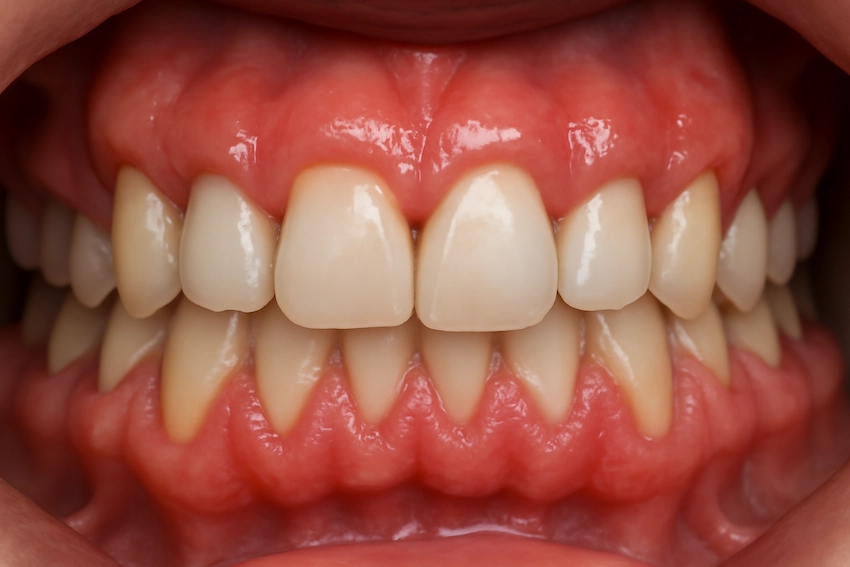
Gingival hyperplasia symptoms are very visible and simple signs that can help in the early recognition of the disease. The most frequent signs are:
- Gums that are swollen and puffy: The gums might look bigger and might even partially cover the teeth, thus giving a bad overall impression of the teeth, i.e., the smile.
- Bleeding gums: Irregularity in the condition will make your gums bleed at the time of brushing, flossing, or even spontaneously.
- Redness and irritation: Being red and inflamed, the gums could be signs of infection
Gingival hyperplasia is a condition that has various causes may including the following:
- Medications: The administration of drugs like anti-epileptic medications, calcium channel blockers, and immunosuppressants has been related to the occurrence of this ailment.
- Poor oral hygiene: Negligence in regard to proper brushing and flossing can let plaque and bacteria build up, resulting in gum inflammation and hyperplasia.
- Hormonal changes: Pregnancy, adolescence, and some hormonal treatments might be the reasons for gingival hyperplasia to occur.
- Genetic factors: There is a possibility that some people are genetically prone to gum overgrowth, which may also be a reason of this condition is difficult to control.
- Systemic diseases: Leukemia and some other health problems that weaken the immune system are sources of gingival hyperplasia.
The necessary steps for you to be able to stop the disorder at the early stages or to treat it are symptom recognition and cause comprehension.
How Can You Reduce Your Risk of Gingival Hyperplasia?

The risk of gingival hyperplasia can be lowered significantly, or the condition can be prevented if a person is willing to do his/her oral hygiene:
- Regular brushing and flossing: Brushing twice a day with fluoride toothpaste of your choice and flossing once a day is the absolute minimum that every human being should do in order to get rid of plaque and food debris that are lodged not only on the surface of the teeth but also in the dental pockets.
- Follow the dentist’s advice: The doctor gets a regular look and the consequent cleanings, which are the first lines of defense against the occurrence of gingival hyperplasia. The dentist is able to detect if the gum tissue is being overly stimulated and can perform the intervention of anti-inflammatory therapy or surgery if it is necessary.
- Say no to tobacco: Smoking or chewing tobacco can not only cause gum problems but also lead to gingival hyperplasia. Quitting tobacco can do a lot for your gums.
- Check medicines: In case the medication you are taking is the cause of gingival hyperplasia, talk with your doctor or dentist about other medications or dosage reduction to lower the side effects.
- Eat properly: Eating a diet that is rich in vitamins and minerals that are necessary for a healthy and strong gum is mostly the case in vitamin C.
It is a small amount of money to invest in the future. Even though these steps are simple, they are still effective enough to considerably lower your risk of gingival hyperplasia.
How is Gingival Hyperplasia Diagnosed?
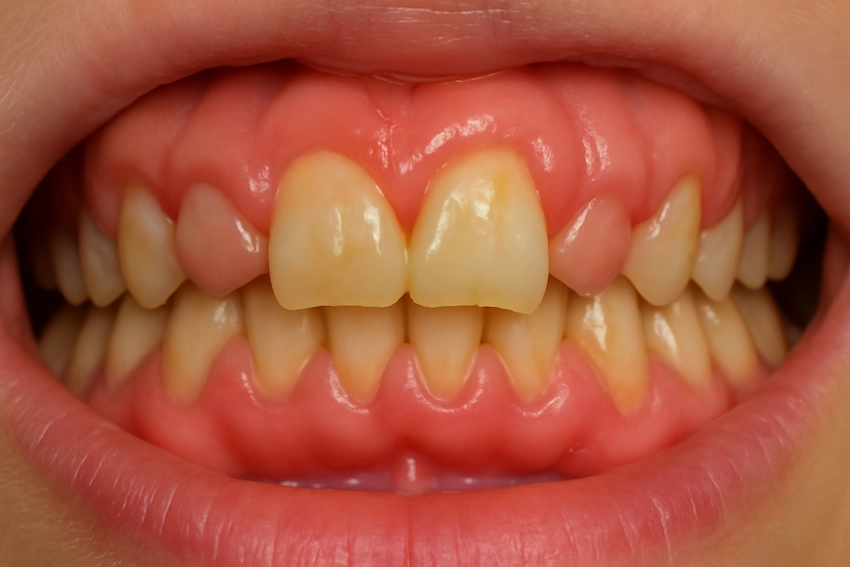
Gingival hyperplasia diagnosis is usually a visual checkup by your dentist. Your dentist will evaluate the appearance of your gums and will also check for any indications of overgrowth or inflammation. In some situations, some additional tests might be required:
- X-rays: Dental X-rays give information about how far the gum has been enlarged and whether the bone structure beneath has been affected or not.
- Biopsy: When there is some doubt about the diagnosis, or the growth looks atypical, a biopsy may be carried out to exclude other diseases, such as tumors and cancers, apart from gingival hyperplasia.
- Blood tests: If the dentist feels that a systemic illness might be the cause, blood tests will be done to check your general health and find out if a disease such as leukemia is the cause of the gum growth.
Spotting the disease early allows the dentist to plan the necessary course of action and give treatment before the situation gets worse.
How Is Gingival Hyperplasia Treated?
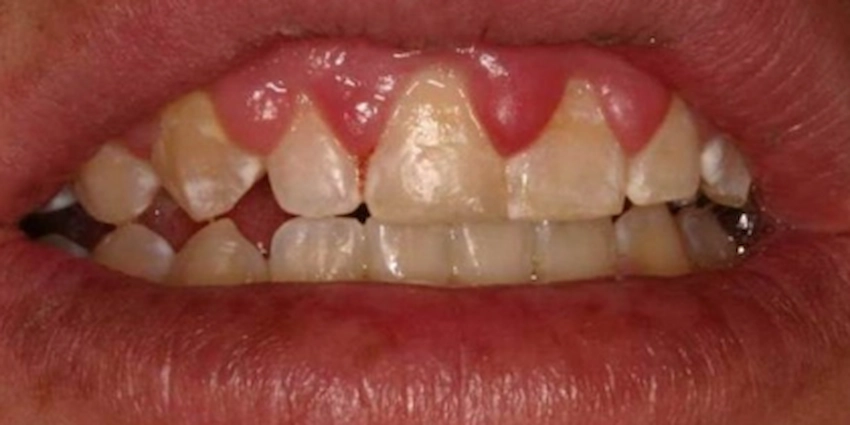
Treatment of gingival hyperplasia is the determination of the degree of the disorder and the causes leading to the condition. It could be possible that a better oral hygiene routine is enough to both reduce the swelling and prevent overgrowth in case of gingival hyperplasia of a mild nature. On the other hand, in more substantial cases, there is a need for professional intervention. These treatment options are available:
- Scaling and root planing: This non-surgical procedure is a deep cleaning that is done under the gumline. The aim is to get rid of the plaque and tartar (if there is any) that have been the source of the gum overgrowth.
- By Far the Most Effective Method: If your dental surgeon suggests the performance of a minor invasive operation, the reason can only be one of the worst situations. From the excess soft tissues or the laser or scalpel will get rid of, the gumline will be able to return to its normal shape and size, i.e., to be as close as possible to its natural state.
- Changes in medication: In case of gingival hyperplasia due to the administration of a certain medicine, the doctor may recommend an alternative, or he may cooperate with you in lowering the dosage, if possible.
Besides, some restoration procedures are being developed for patients who have suffered the overgrowth of their gums and are embarrassed by their appearance. Such methods as dental veneer or dental gum graft might be the first step in restoring the aesthetic of the patient’s smile.
If you are in Istanbul and looking for a place for dentistry, then you may come to Lema Dental Clinic, where our dental experts will provide you with multiple solutions to the problem of gingival hyperplasia. We are the number one spot for Hollywood Smile treatments, dental veneers, and implants that not only keep your smile healthy but also make it beautiful.
FAQ: What is Gingival Hyperplasia? Symptoms and Treatment
If gingival hyperplasia starts in you, at first you will notice swollen and puffy gums that may be bleeding. Your gums can be returned to their normal state with the help of treatment.
For sure, it is effective in cases when the issue is properly solved in the first stage. Most of the patients after treatment see their gum health condition drastically improve.
Not all gingival hyperplasia cases are preventable, though. Taking care of your mouth and visiting the dentist regularly are the best ways of lowering the risk of gingival hyperplasia.
Oral care improvement, scaling, and root planing, gum surgery, and possibly a change in medication are all used to treat the condition. Your kind dentist will determine your treatment plan depending on your situation.
If medication, bad hygiene, or a disease is the cause of the condition, then the problem of gingival hyperplasia can be removed. Stopping the process of gum enlargement can be done by proper medication in the early stages.

