


False teeth, or dentures as they are commonly called, are devices that are meant to help persons who have lost their teeth either because of an accident, old age, or dental caries, and in a very simple way by regaining the beauty and functionality of the mouth.
In fact, false teeth can be a great relief as the lost ability to talk, eat and smile with confidence is reconstructed. This post is a thorough exploration of false-mouth items, the things they are, how they function, their various forms, the advantages they present, the ways to maintain them, and common questions about them.
What Are False Teeth?
False teeth are non-natural replacements for the human teeth that fulfill the functions of the lost teeth and solve the problems of appearance caused by tooth loss. Generally, these kinds of devices or appliances are constructed of materials such as acrylic, porcelain, and sometimes metal. They are made to look and work like natural teeth, and they fit comfortably in the mouth to allow the person to eat, talk and smile without any trouble.
False teeth‘ is a term commonly used to describe dentures, which may be either partial or total replacements of missing teeth. False teeth are removable, unlike implants, which are permanently fixed to the jawbone. Nevertheless, in certain instances, implant-supported dentures are being utilized, where the dentures are fastened to implants in the jaw, which have been surgically inserted.
Types of False Teeth
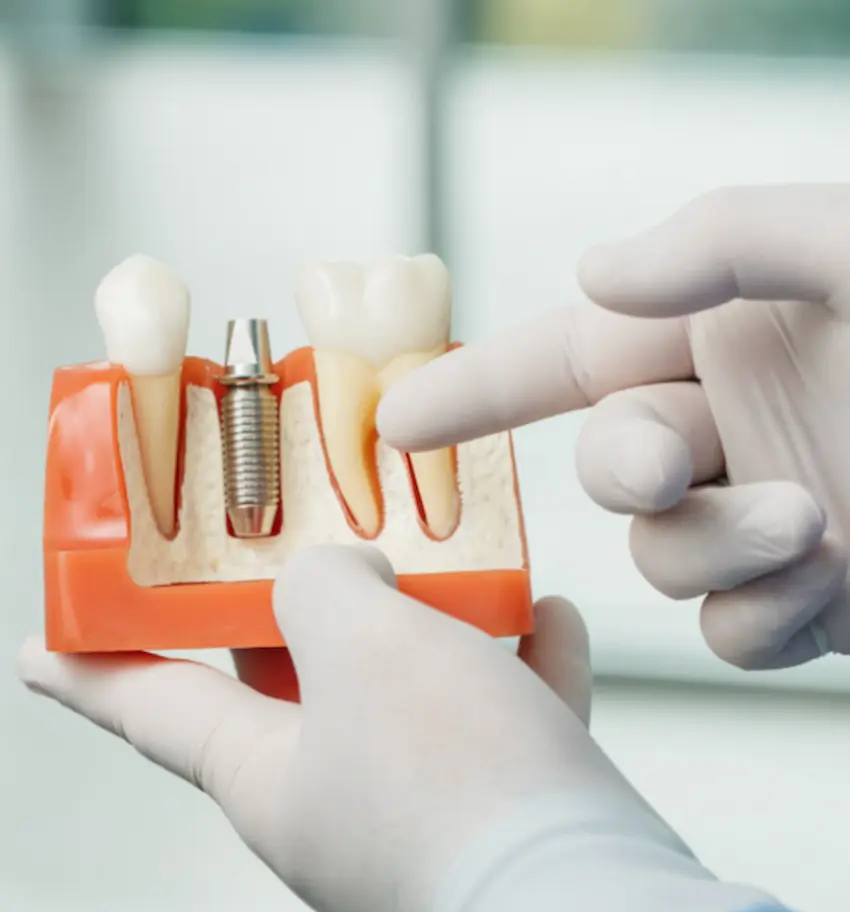
Several types of false teeth have been designed to fulfill different needs. The kind you select depends on the number of teeth to be replaced, the amount of money you are willing to spend, and the suggestions of your dentist. These are the most common types:
Full Dentures
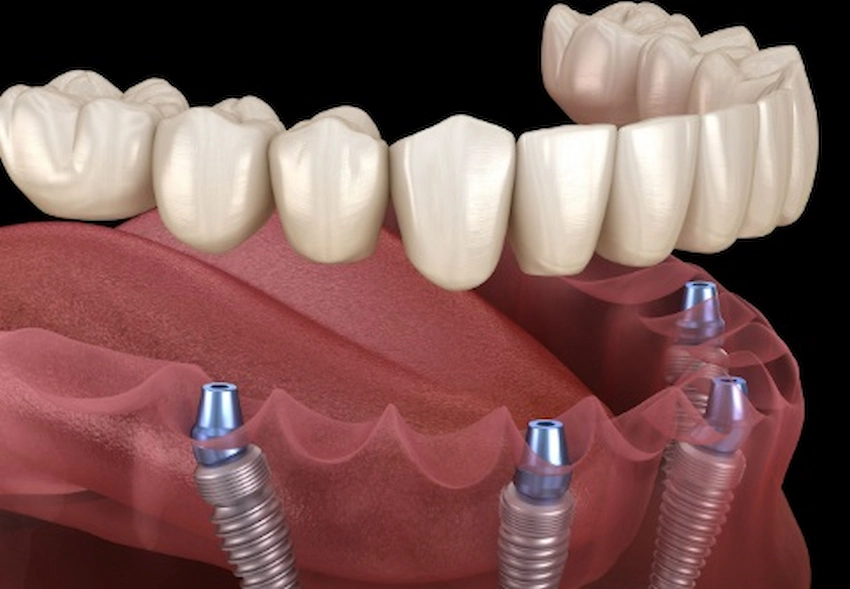
The need for full dentures is when there is a requirement to replace all the teeth of the upper or lower jaw. It is engineered to sit tightly on the gum and help in showing off one’s molar-less smile as well as a complete set of teeth. Full dentures act as the missing link when people have lost all their teeth in either the upper or lower jaw. These dentures are tailored to fit perfectly and resemble actual teeth.
Partial Dentures
Partial dentures might be the most suitable solution in case you still have some natural teeth left. They are made to fill the spaces that are created by missing teeth and, at the same time, maintain the surrounding natural teeth. Usually, it consists of a metal frame that houses the artificial teeth and is held up by the natural teeth. Partial dentures can be considered by those patients who only need to replace a few teeth and do not want to go through a more invasive procedure.
Implant-Supported Dentures
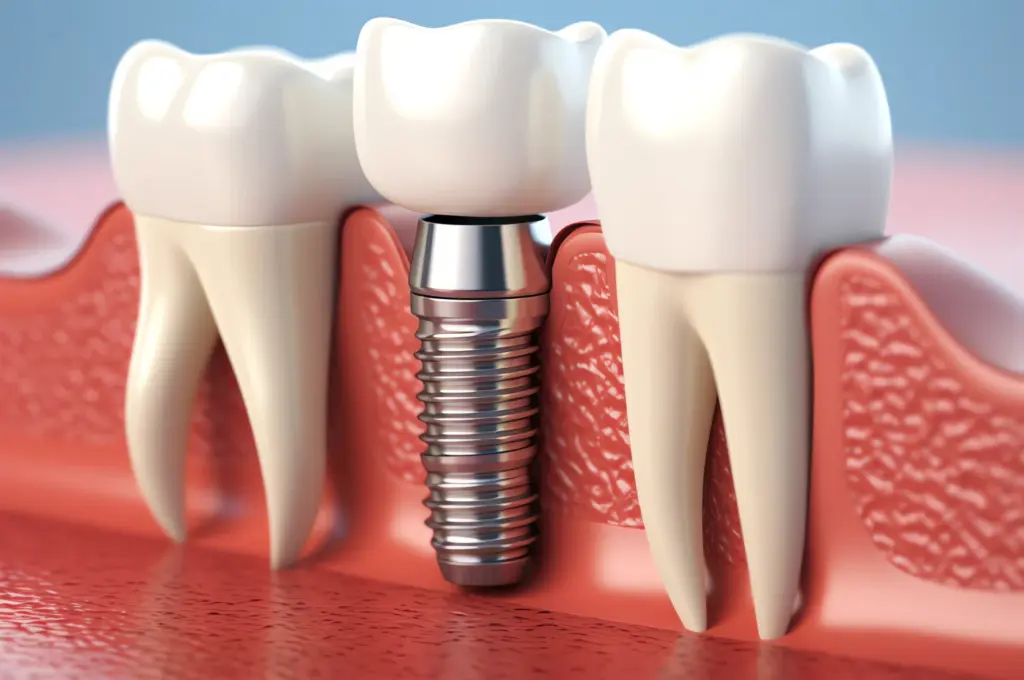
Compared to implant-supported dentures that are a more traditional type, the latter are a more recent option, where implants are surgically positioned in the jawbone, after which dentures are fixed on them. Those implants then become the base providing stability and security for the dentures hence better comfort and functionality is attained as compared to the traditional removable dentures.
In contrast to traditional dentures, implant-supported ones are not held in place by suction or adhesives and are usually both tough and long-lasting. This kind of denture is the best for patients who need full-arch replacement and are in search of a permanent method.
How Do False Teeth Work?
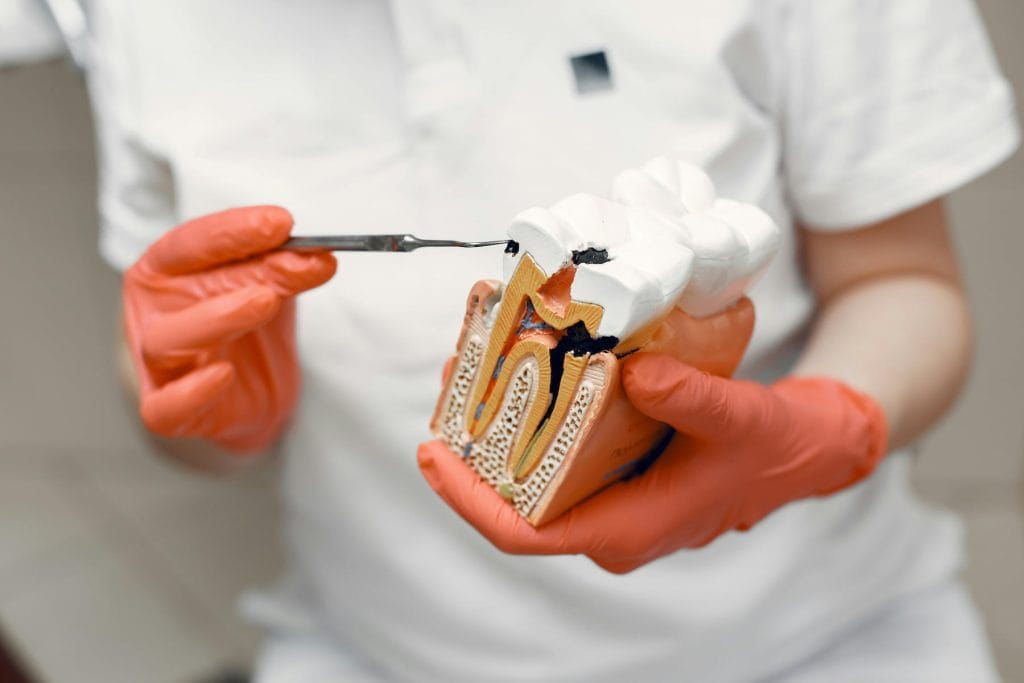
False teeth are made in a way that they sit on your gums and fill in the spaces left by missing teeth. They are essentially built to imitate the outer look and working aspects of natural teeth so that there is no hesitation in the users to eat, talk or to display their smile as usual.
Basically, false teeth are functioning as follows:
- Secure Fit: Dentures are made individually for each person, the one made especially for you so it perfectly fits over your gums. In that way, it ensures that they stay in place without the need for any other aids. Though, in some situations, there may also be adhesives used in order to get the tightest fit possible.
- Artificial Teeth: The artificial teeth are crafted in a manner that they resemble natural teeth in size, shape, and color, thus not being able to distinguish them from the rest of your teeth.
- Stabilization: In the usage of standard dentures, the figure of your jaw and the suction between the dentures and the gums are the main factors that allow the dentures to stay in place on your mouth. With the help of implant-supported dentures, there is no fear of them falling off because they are fixed to the dental implants in the jaw, which brings more stability and thus there is no chance of sliding.
Besides restoring the basic functions of the teeth such as chewing, false teeth also elevate your facial appearance by being the support to your cheeks and lips that usually are the parts that sag because of tooth loss. Such is the reason why dentures are both an indispensable element of your oral health and aesthetics.
Benefits of False Teeth
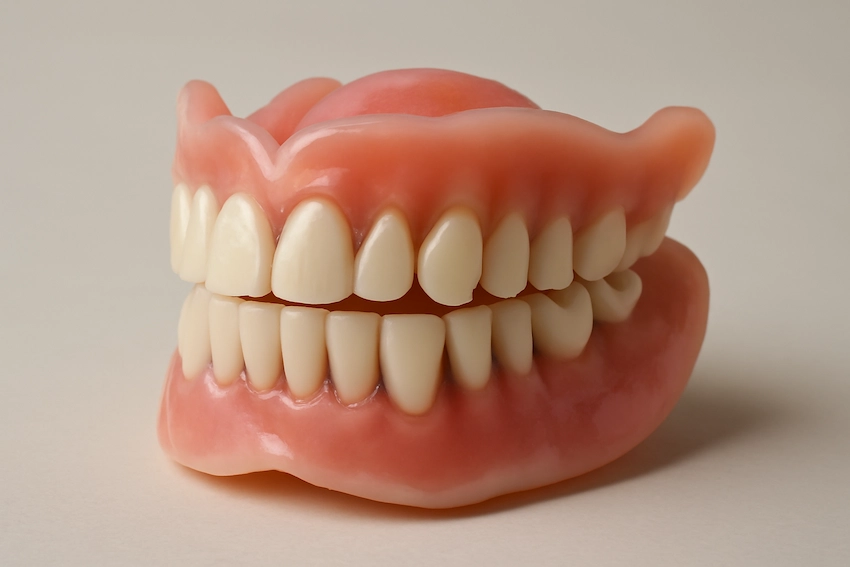
False teeth are valuable prosthetic devices for individuals who have lost their teeth due to reasons such as age, disease, or injury. These dental prosthetics offer numerous advantages to users that rehabilitate them to almost normalcy in eating, speaking, and smiling functions.
1. Improved Appearance
The first and foremost benefit which the users will perceive is the fact that false teeth significantly improve one’s appearance. No matter if you have full or partial dentures, they come to help when it is time to smile and moreover, they keep the facial features from sagging. With dentures, one can get back the natural and youthful look which is very important for both self-esteem and socializing.
2. Enhanced Functionality
The use of false teeth is one of the most advantageous methods to improve the functionality of the oral system for those who have lost their teeth. It is not only for the sake of the mouth that missing teeth can be a problem.
Speaking can also become very difficult especially if the gap is too big. Having done dentures properly, one will enjoy foods that he/she has never done before and be able to communicate without bottlenecks.
3. Increased Confidence
In addition to all the benefits, false teeth will be a major factor in re-gaining your self-confidence. It doesn’t matter whether you will be in the society, the workplace, the family, or among friends, dentures will allow you to smile at the world without worrying about the voids or discomfort. In fact, it can contribute to mental health and overall wellness immensely.
4. Improved Oral Health
False teeth can also be the main reason for oral health improvements. As they take the places abandoned by the lost teeth, they also stop the adjacent teeth from moving, which in turn can prevent other dental problems such as improper alignment. Those who are wearing partial dentures are in a better situation because the natural teeth that are left behind can even be protected from gum disease and cavities.
FAQ:
False teeth are commonly referred to as dentures. They are removable replacements for missing teeth and are custom-made to fit the individual’s mouth.
The best type of false teeth depends on the patient’s needs and preferences. Full dentures, partial dentures, and implant-supported dentures are popular options, with implant-supported dentures offering a more permanent and stable solution.
The cost of false teeth varies widely, typically ranging from $1,000 to $3,000 for a set of dentures. Prices can increase depending on factors such as material quality, customization, and whether additional procedures like implants are involved.
False teeth typically last between 5 to 10 years, depending on how well they are maintained. Regular adjustments and proper care can help extend their lifespan.
It is generally recommended to remove dentures before sleeping to give your gums a rest and maintain oral health. Sleeping with dentures in can cause irritation and may affect their fit over time.
References:
American Dental Association. (2021). Dentures and partial dentures: What you need to know.
Mayo Clinic. (2020). Dentures: Types and care. Retrieved from https://www.mayoclinic.org
WebMD. (2021). False teeth and dentures: What to expect. Retrieved fromhttps://www.webmd.com/oral-health
Colgate. (2022). Caring for your dentures and false teeth.

