


In the field of medicine, artificial teeth have proved to be the best and most efficient method for providing remedies to individuals who lost their true teeth as a result of various problems that might include decay, injury, or simply aging. In the process of restoring people’s smiles and getting an oral function back on track, whether one is in need of a complete set for the whole jaw or only a few replacements, artificial teeth could be the solution.
In the following sections, we will be going deeper into the specific details of the characteristics of artificial, the process of their making, and some of the crucial health benefits that they offer. Artificial teeth refer to dental prostheses that are made for replacing the natural teeth which have been stained due to an accident, decay, or other illnesses. There exist several types of artificial tooth such as Full Dentures, Partial Dentures, and Implants; they all enable the creation of the exact same appearance and function as original teeth.
These artificial substitutes, which are produced from rugged materials such as porcelain, acrylic, or zirconia, are specifically fashioned to give exactness to the shape, transparency, and color of the natural teeth. This means that they are not only comfortable to wear but they enhance the quality of life by restoring lost functions.
Types of Artificial Teeth
Different types of artificial teeth can be manufactured according to the recommendations of dentists and individually made for each patient according to his or her different needs. The types that are most relevant include:
- Dentures: Removable prosthetics that can be used for the total replacement of the entire set of teeth or for subsequent replacements of a few missing teeth. They have only the required properties and are the best suitable for people who want to do a full tooth replacement but are not willing to undergo surgery. In addition, artificial teeth have full or partial sets Function and texture; thus, if their upkeep is just right, they can last up to 5 to 7 years.
- Bridges: Fixed dental appliances that attach themselves to two remaining sound teeth or to implant-supported crowns or moorings for filling gaps left by missing teeth and, thus, create a functional, esthetic, and fixed rehabilitation of the set of teeth. Bridges can also resemble natural teeth and provide a firm fit that is most required when drinking, eating-salads, and talking. When natural-looking functional solutions are needed to fill small gaps left by missing teeth, get a bridge.
If your teeth have been damaged and you want to get the best of all worlds with realistic-looking teeth that are durable and strong, then you should consider getting permanent dental implants that are surgically fused into your jawbone to provide a base for artificial teeth.
These implants will not only give you confidence in your ability to eat or speak normally again, but they will also bring about considerable benefits in terms of durability and longevity in replacing lost natural teeth.
The Benefits of Artificial Teeth: Enhance Your Life Today
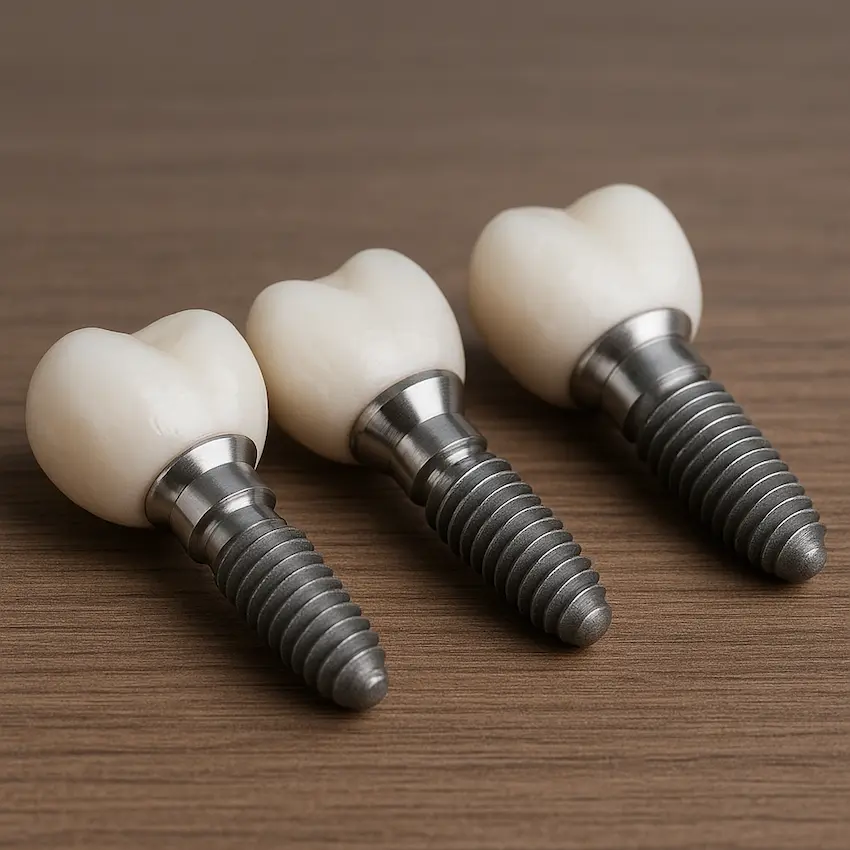
If you’ve lost any of your natural teeth, be it through an injury, dental disease, or any other problem, artificial teeth can change your life positively as they come with numerous benefits to the patients. Not only will they help restore the functionality of your mouth and teeth but they will also improve aspects of your appearance.
With artificial teeth, you can enjoy the following benefits: Good nutrition and nourishment product, physical preferences, self-confidence, and preservation of jaw bone mass. These fabricated dental pieces produce starlike effects that are unbelievably realistic and enable patients not to feel self-conscious with their smiles anymore.
- Improved Chewing Function: With artificial teeth, you can eat food smoothly because you have such functional teeth, which more than just look like a normal full set to use it with. Dentures help the dentition remain intact while chewing food, as people’s masticatory capacity determines their ability to assimilate nutrients from the food they eat and whether the body can absorb these nutrients.
- Enhanced Aesthetics: Parts of your dental false or artificial teeth are not only for the function, but also have an aesthetic feature. They not only make your smile complete and give it that youthful appearance’s fullness, but also help restore the natural look of your face through them.
- Prevention of Bone Loss: Some kinds of artificial teeth, especially dental implants, can be the major contributors to the prevention of bone loss in the jaw. The part of the jawbone where the tooth was lost becomes weaker and may disintegrate because of the lack of stimulation, which is a similar phenomenon in the case of muscles that lose their volume every time they are not used physically.
- Boosted Confidence: Losing teeth may not only have repercussions on the psychological aspect of a person but also cause actual changes on your confidence.
How Are Artificial Teeth Made?
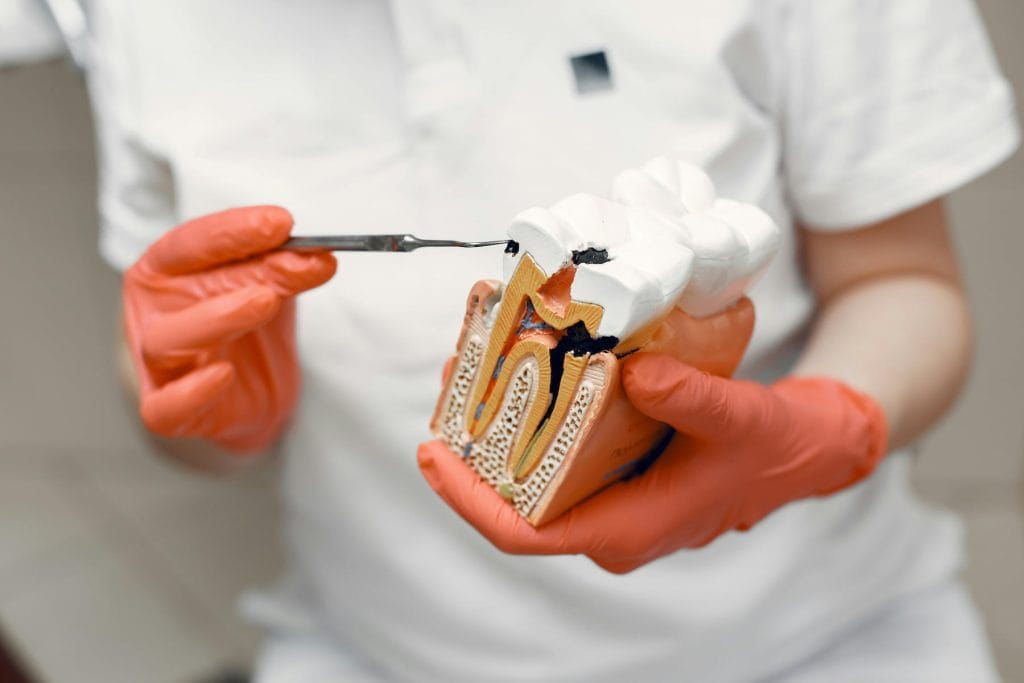
The creation of artificial teeth takes several stages, which basically starts with a complete check-up done by your dentist. In order for the dentist to know the proper size of the restorations, he/she will take very accurate molds of your mouth. After the molds have been made, they are sent to the dental laboratory where the artificial teeth are made according to the specifications of the patients.
There the dental technicians are using modern procedures to fabricate every tooth. The final product is then implanted in your mouth, and your dentist will determine if the proper fit and comfort have been achieved by making any necessary changes.
FAQs About Artificial Teeth
Artificial teeth, especially implants, are able to function for a long time—usually as long as 25 years or even longer if they are properly maintained. The replacement of dentures is more regular, the average time being from 5 to 10 years.
An artificial tooth is made in such a way that it performs the same functions as a natural one. Still, it may feel a bit different when you touch it.
Definitely, false teeth must be taken care of in the right way if one wants them to be in good condition for a long time.
Dentures can be taken off, whereas dental implants and bridges are usually stable and cannot be taken out. Your dentist will talk about the most suitable option for you depending on your requirements.
Artificial teeth are mostly secure; however, in the case of implants, there are certain hazards associated with it like infection or the loss of bone around the area where the implant is inserted.

