Having a tooth removed was the close of the chapter, and there was nothing more to it than that. If teeth were broken, decayed, or damaged, they could be treated or fixed by a dentist, and at that time, the only solution for people was dentures or bridges that would give them a smile. But now a new era has dawned, as regenerative medicine and recent developments in the field of stem cell research have prompted many to ask if it’s possible to regrow teeth?
The short answer? Not right now but we are definitely getting closer to the answer. In the following article we embark on an expedition into the intriguing realm that lies ahead of us in the world of oral health care and find out about all its scientific details, breakthroughs, setbacks and exciting things that may arrive at your dental clinic one day in the not so distant future.
What Does It Mean to Regrow Teeth?
When it comes to regrowing teeth, people usually do not mean repair or replacement of a tooth with some kind of a covering, other filling, or veneer that is still present in the mouth. What they have in mind is an absolute reconstruction process from zero, which involves the production of new, entirely functional and natural products of teeth of similar structure and characteristics like the one that was lost. Essentially, it is the ability to wait for nature to fix tooth loss and having it back across the course of days or weeks.
Nature’s Tooth Regrowth Superstars
Some of the animals, such as sharks, for example, have been imbued by nature with the ability to regrow teeth continuously all through their lives. These little wonders have specialized stem cells that remain perpetually activated, always poised to produce new teeth whenever needed. To make matters worse, humans only get two sets: baby teeth and permanent teeth. Therefore, sadly, once we lose our adult teeth, losing them is like losing a loved one and not having the opportunity to even say goodbye.
A Human Limitations For Now
The human race is not entirely impotent regarding the loss of teeth since researchers are now proving that the processes that used to help children to regrow teeth are still present but dormant within the body after they reach adulthood.
Inside the dental pulp and certain stem cells that have the potential to form new dentin or even tooth buds have been discovered. The hope of these scientists is to unlock the regenerative potential of these cells in order to develop techniques that would enable the regrowth of teeth in the adult jaw just like nature intended.
How Close Are We to Regrowing Teeth in Real Life?
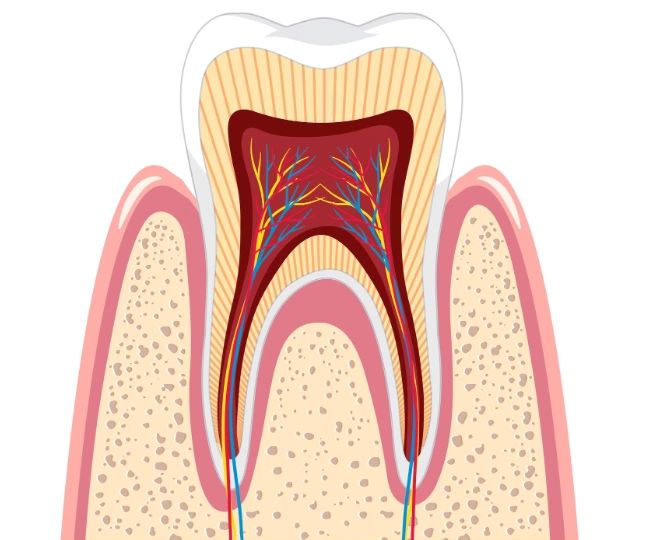
As people have become curious about how to ensure the human body has natural self-healing power, dental researchers have continually looked for ways to regrow teeth. Today, there are several ways in research for regrowing teeth among other people that have not yet been proven feasible for now.
It may appear that these techniques seem to be the future of teeth regeneration as if cut from the script of a science fiction movie. At present age, the technological advancements and motivation by many scientists seem to be pushing back against these factors and one day it will not be
Stem Cell Dentistry and the Rise of Tooth Germs
At the leading edge of the march towards natal teeth regeneration is the field of stem cell research. Dental stem cells, which are being taken from the inside of the pulp of the teeth of the living baby or tooth remnants, are being put under tests in laboratories for their ability to regrow teeth.
A new method that has been discovered is creating a tooth germ; they are nothing but the clumps of the stem cells that are instructed to grow a new tooth. In experimental studies in animals, they were placed in the jaws and resulted in growing new teeth that appeared and functioned the same way as the original ones.
Recent Human Trials
In 2023, a team of researchers at a prestigious Japanese University revealed an amazing new technique of using a protein with the name known as USAG-1 to start the process of regrowing new teeth in patients with congenital tooth agenesis, a condition which arises when a person is born with missing teeth.
Although there have only been few clinical experiments involving this method so far, the initial signs are highly encouraging and it looks like USAG-1 has the ability to restore people’s dentition to a natural condition. To regrow teeth could be
The Challenges Behind Regrowing Teeth
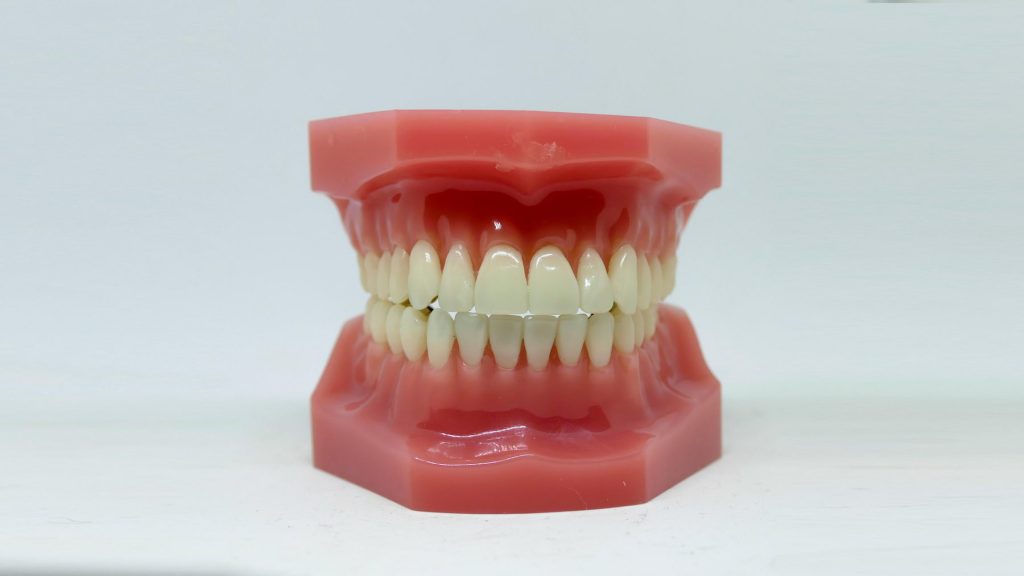
It may be hard to believe, but the power to regrow teeth doesn’t come free and easy. We can see that science is on the go in a rapid manner; nevertheless, there are some biological as well as technical glitches, as well as ethical problems that need to be dealt with before this treatment becomes a common way of dealing with teeth problems.
Complex Biology
The astonishing fact is that regrowing a tooth is not simple. While it is “very easy” to form enamel and dentin, forming a “full” tooth can as well be very difficult. The manipulation is not as simple as pie and needs the complex construction of the roots, blood vessels, nerves, and a periodontal ligament that holds the tooth in the jaw backbone.
The challenge and quest to regrow teeth are composed of a lot of components working inside the body as a single unit, and this one, in connection with this one, and finally representing a living organization that wants to function smoothly.
Safety, Approval, and Public Access
Even with favorably experimental results, the process can take up to a decade before these are considered in public. The Food and Drug Administration (FDA), as well as other regulators, will want supporting evidence on long-term safety and effectiveness before they can think about officially approving such revolutionary procedures.
Additionally, the interim costs of regrowing teeth techniques are likely to be prohibitively high, despite the rapid rate of technological development and widespread adoption. Only time is going to tell as to whether these operations are marked with a couple of practical, affordable, and available means of dealing with dental problems, while at present the process of creating “teeth with regeneration properties” remains a research enterprise of the highest quality.
FAQ: Frequently Asked Questions About Regrowing Teeth
Presently, non-operative methods have not yet come very far in tooth regeneration. Technological and scientific advances in the regenerative field could of course become a possibility but it would still involve at least minimal medical interventi
Yes, if a permanent tooth is pulled out it cannot grow back on its own. Still, researchers are working on the methods to regrow teeth through using stem cell therapy and gene manipulation.
Some product advertisements say they promote “regrowth of enamel,” but the real effect is just a repair from the initial surface damage which in fact is not the same as the regrowth of teeth.
It is only during the replacement of baby teeth with adult teeth that human beings still have a chance to redevelop the teeth. Beyond that, the spontaneous regrowth of teeth is out of the question.
One of the most promising methods came about through stem cell implantation and gene therapy, which were used to invigorate the dormant tooth buds.