When you smile, bite into a sandwich, or even speak, you’re using more than just your teeth- you’re using your unique tooth pattern. But what even is that? A tooth pattern is simply the positioning and form of the teeth in the mouth that occurs naturally. Nor can we say that it is the dental equivalent of fingerprints, since every person has one, and it affects more than just features of the smile.
An important next question is: does it bear importance? Your tooth pattern won’t only determine your bite but also influence the way your teeth come into motion and even the way you speak with clarity. A slight change that is not right with it will bring a lot of inconvenience when it goes that far, and can be the source of the dental trauma felt. However, thanks to Lema Dental Clinic in Istanbul, where you can have all the latest dental care, and turn to conventional dentists, the so-called dental pattern can be rectified and completed to let you have that flawless, world-famous Hollywood Smile.
Understanding the Basics of Tooth Pattern
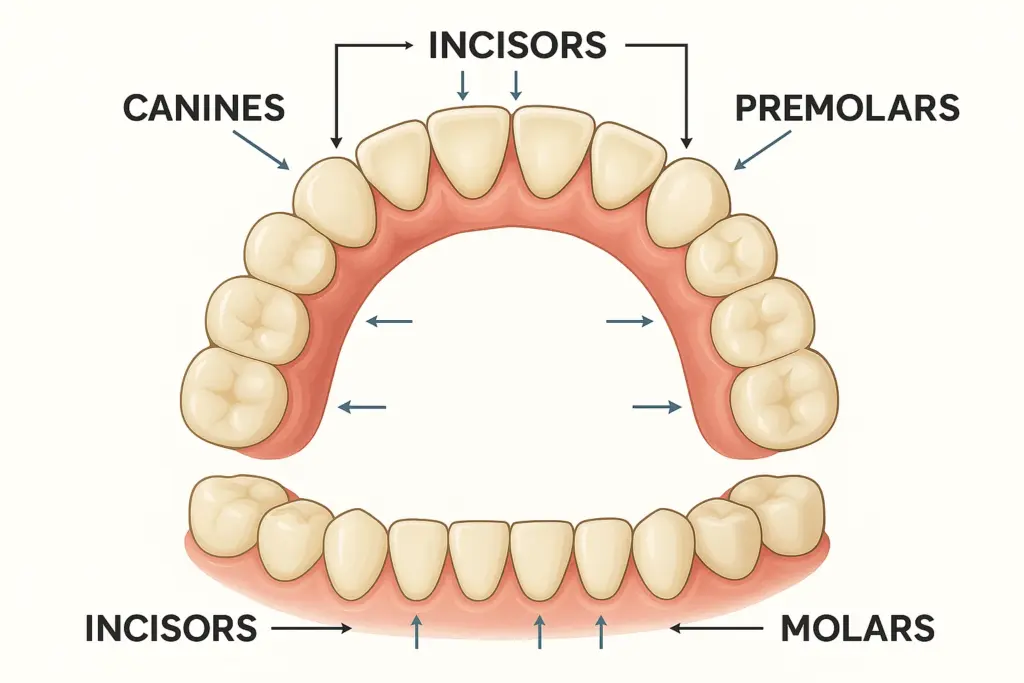
A tooth pattern is the unique distribution, size, and location of your teeth within your dental arches. It is the molars that do the matching and are responsible for the shape of your canines and the spacing of the incisors, etc. Each person’s tooth pattern is quite unique as though it is an enamel-made fingerprint.
Honestly, our teeth tell us a lot about ourselves apart from being objects that people see in our smiles. With a balanced pattern, it becomes possible for your jaws to relax when closing and your teeth to communicate well when eating. When the tooth pattern is not aligned with the rest of your mouth, it will start to show symptoms of discomfort such as grinding teeth, TMJ pain, and even imbalanced bites. Therefore, the dentists during check-ups and cosmetic planning are of utmost importance, and that’s why they always show special attention to it.
Tooth patterns originate at conception and are a long process which is finally finished with the loss of the baby teeth. The pattern is already set up genetically, defining your jaw size in the early stages, the number of teeth, and their way of eruption. By the time a person reaches adolescence, the permanent teeth erupt, and the dental pattern is established, but it can still get shifted because people grow and/or develop some habits like thumbsucking or mouth breathing.
Mostly, dentists make use of archform (U or V shaped), overbite or underbite, and conditions called spacing (like gapped or crowded). When it comes to achieving both attractive and useful results, Orthodontists are the professionals who are highly skilled and usually provide treatment based on the classification of the patient’s problems. No matter whether you need teeth correction, ceramic braces, clear aligners, or veneers, only can determine this after your dentist studies your conditions in depth.
Why Tooth Pattern Affects Chewing, Speech, and Oral Health

The condition of your teeth is not only related to the aesthetic side of it; the practical aspects also play a significant role. The teeth set up in a way that they form the perfect alignment, biting surface, thus creating a situation where all the teeth meet during the chewing process. This is important since irregularities of the dentition manifest themselves by creating all the pain that an articulation or bite problem produces.
Also being preconditioned is the aspect of articulation. Some of the speech sounds, for example ‘s’ and ‘th’, require precise movement of the tongue between the teeth or in the vicinity of its roof. In case your teeth are not in the right position, your speech might not be perfectly clear, or it might have a lisp. The third inconvenience can be seen in the waste of time. This is where misaligned or overcrowded teeth are subjects that are not given a job; misery becomes the order of the day. Diseases (oh yes) we now love and cherish them are easier to clean, leading to the build-up of plaque, tooth decay, and gum problems.
Can Tooth Patterns Change Over Time?
Quite right! Amid childhood, the fundamental design of teeth that constitutes the pattern can alter at any stage of one’s life. The evolution of other factors such as wisdom teeth, bad teeth, teeth grinding, and even aging can bring about changes in patterns. For example, it is possible that the teeth might move down as the gums go backwards, or the bone density decreases, causing the gap between teeth.
Injuries, cavities, and dental problems that have not been treated can also change the alignment of the teeth. That is one of the reasons that professionals recommend regular check-ups, even if you do not find anything wrong with your teeth. Today, a slight displacement can result in a major bite problem tomorrow. Fortunately, there are modern procedures such as implants, veneers, aligners, etc., that allow unwanted changes to be beautifully corrected.
How Dentists Evaluate and Correct Irregular Tooth Patterns
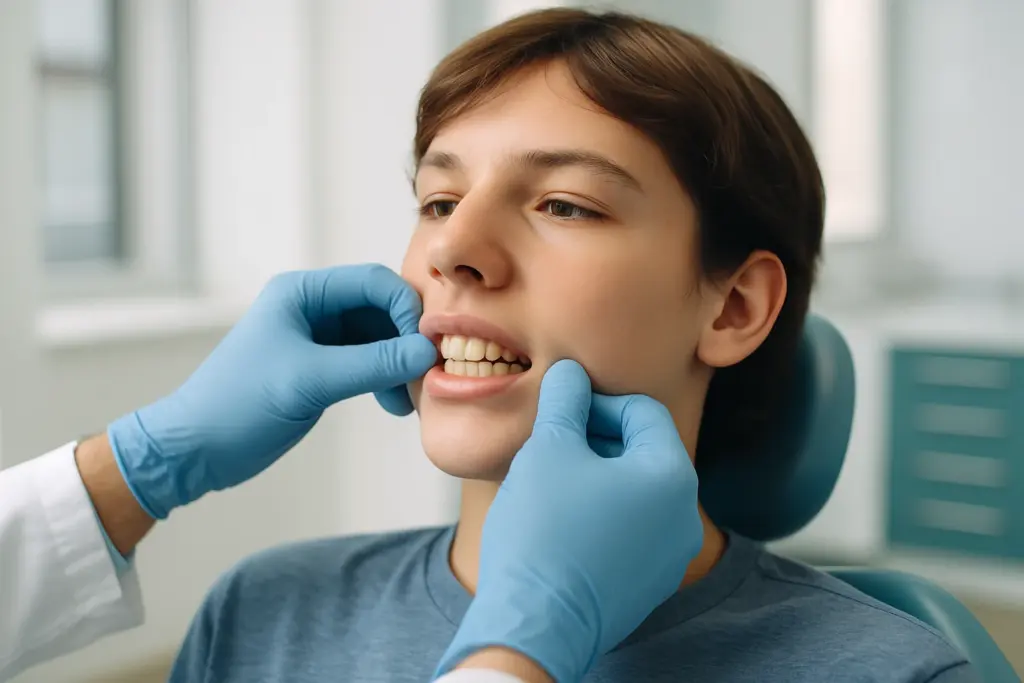
When you go to a dental clinic, the first thing that the doctor does is the diagnosis. Digital X-rays, 3D scans, and examining the bite are used to check the fine details of your current pattern of teeth. They look for symmetry, balance, spacing, and occlusion of the upper and lower teeth. It’s not just about the appearance, it’s function as well.
If they come across any issue with the pattern, the solution can come in a variety of methods, from orthodontics (like braces or Invisalign) to mostly cosmetic options like porcelain veneers, bonding, or implants. At Lema Dental Clinic in Istanbul, professional dentists not only solve your problems through custom dental makeovers handled by the latest technological equipment and artistic beauty but also upgrade your smile. The result is a bite that is perfectly aligned and a dazzling smile.
FAQ: What Is a Tooth Pattern and Why Does It Matter?
It refers to the unique layout and structure of your teeth within your upper and lower jaws. It’s how your teeth are shaped, spaced, and aligned in your mouth.
An uneven or unhealthy tooth pattern can lead to chewing problems, jaw pain, cavities, and gum disease due to poor cleaning access or misaligned bites.
Yes! Dentists can correct it with orthodontic treatment, veneers, bonding, or implants depending on the case severity and your aesthetic goals.
Definitely. Children have baby teeth and growing jaws, while adults have fully erupted permanent teeth that may shift or change due to age, habits, or dental conditions.
Because it affects everything—from how you chew to how you speak, and even how easy your teeth are to clean. A healthy arrangement means a healthy smile.