


What is a bridge for teeth? A dental restoration that fills the missing space in the mouth by connecting the teeth next to the gap. It is done for replacing lost teeth, and for those who lost teeth due to age, dental decay, or injury. With this in mind, in this blog, we will explore in detail what a bridge for teeth is, how it works, and why it is one of the best effective ways to restore the function and appearance of your teeth so that your smile will appear at its best and easily perform the functions that the teeth are supposed to perform.
What is a bridge for teeth? A bridge for teeth is a type of artificial tooth that fills a missing tooth gap. Using adjacent teeth as the support, the bridge consists of one or several artificial teeth. These artificial teeth are secured to the healthy adjacent teeth (known as abutments), thus forming a solid and permanent structure that will work efficiently for a long time.
In contrast to dentures, what is a bridge for teeth creates a more permanent feeling, naturally fitted, and a secure solution for tooth loss. This makes it smooth to eat food, and talk, and retain a perfect appearance and evenness of your teeth thus they are worth the money.
What Is a Bridge for Teeth? Types Explained
There are various types of bridges for teeth, each addressing the unique dental requirements and are personalized for patients. Coping with this situation, it is important to know the four common types below:
- Traditional Bridges: These are the type most frequently used and compose one or more artificial teeth supported by crowns fitted over the neighboring natural teeth. What is a bridge for teeth in this case? It is a method that uses crowns as anchors to fill gaps, hence, it is a reliable one.
- Cantilever Bridges: They are employed in a situation where there is only one adjacent tooth to support the bridge. Hence, cantilever bridges are secured on just one side only. What is a bridge for teeth in this instance, if you are wondering? It is a solution that is more limited but still effective for people with fewer healthy teeth available to support the restoration.
- Maryland Bridges: The resin-bonded bridges or the Maryland bridges are a less invasive option. The metal or porcelain framework of the bridge is bonded to the back of the adjacent teeth. What is a bridge for teeth here? It is a less destructive and no-crown approach that is the first choice of patients who want a more conservative solution.
- Implant-Supported Bridges: This type of bridge is held by dental implants instead of natural teeth. What is a bridge for teeth in this case? It is a stable and long-term solution for people who are missing multiple teeth and want a replacement that is more durable.
What Is a Bridge for Teeth? Benefits of Bridge for Teeth
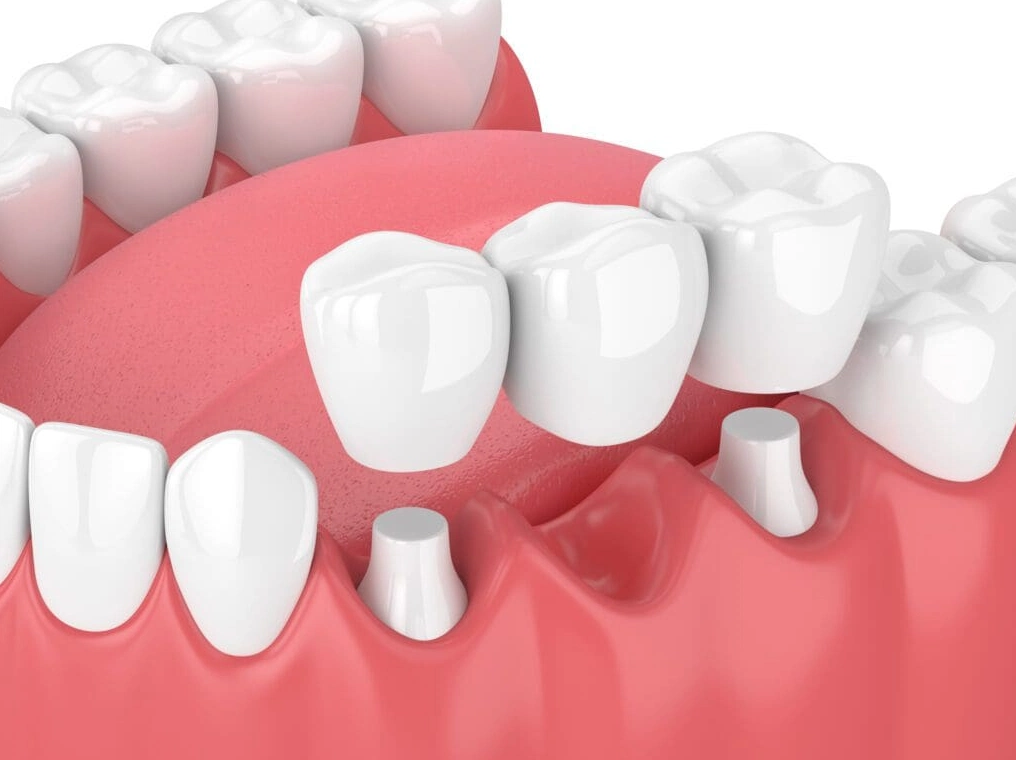
What is a bridge for teeth? They are utilized by many patients and are known to promote the well-being and comfort of those who have no teeth and want to reconsider the situation, thanks to a broad variety of advantages.
Listed below are some of the various key benefits associated with the provision of bridges for teeth that said improvement on a patient’s oral health and overall quality and happiness is yet not said in vain:
- Restored Functionality: A dental bridge allows manipulation of the teeth as absent from chewing food and pronouncing words since teeth holding a bridge play the exact role like that which seems so absent. Biting, chewing, along with talking will be back to normal due to the reclamation of lost structures and facilitating a return to standard.
- Improved Aesthetics: Noticing a lack of teeth could cause some uneasiness when smiling or laughing. A bridge is an exceptionally discreet method of replacing missing teeth so fast as it matches firmly with other natural teeth.
- Preservation of Jaw Health: Teeth have a specific alignment whose functionality should be preserved. A bridge will delay the repositioning or irretrievable relocation of adjacent teeth into an empty gap, always done. If these teeth are not alongside spontaneous movements, the patient’s bite is always protected at all times.
How Is a Bridge for Teeth Placed?
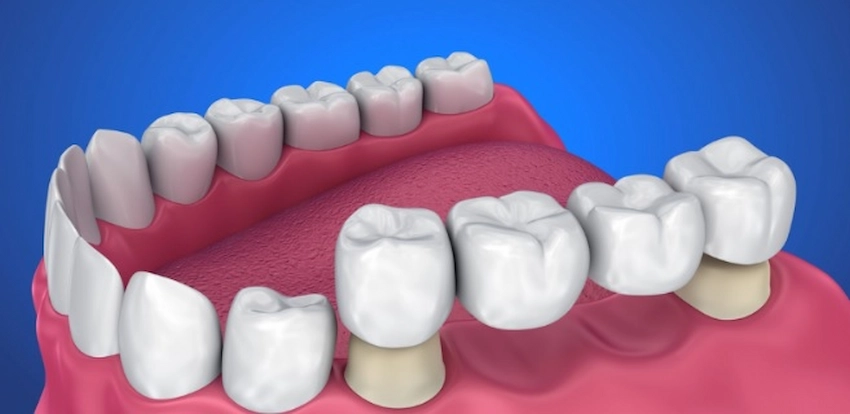
Firstly the process of installing a bridge for your teeth will probably take you and your dentist at least two appointments. The dentist will start by preparing the supporting teeth (the adjacent healthy teeth) by trimming down the enamel a bit so that the crowns that will be placed can fit there. To create a bridge that fits your mouth perfectly, molds of your teeth are taken. Meanwhile, you might get a temporary bridge to wear.
The permanent bridge is then put on, and after the proper fit is found, it is sealed with cement to ensure efficiency and functionality. What is a bridge for teeth here? It’s a special custom-made device that provides comfort, along with stability.
FAQs About a Bridge for Teeth
A bridge for teeth generally has a lifetime of 10 to 15 years, contingent on the care that it receives and the frequency of the dentist’s visits for check-ups.
A bridge for teeth is not a removable one, it is a fixed restoration which is closed permanently by your dentist.
When it comes to taking care of bridges, brushing and flossing on a regular basis are very important. This is especially true for the supporting teeth, as it is the only way to prevent the formation of plaque and be able to use the restoration for a long time.
Comes in the form of a bridge for teeth, a solution, which is durable over a long time. Nevertheless, because of usage and tears.
A properly fitted dental bridge will not only be comfortable but it will also work like your normal teeth, enabling you to eat, talk, and smile with confidence.

