


How Do Tooth Decays Develop?
Tooth decay or dental caries, most of the time, is the consequence of the formation of plaque, which is a sticky film of bacteria, along the surfaces of the teeth. The bacteria that live in this plaque make acids that damage enamel, which is the part of the tooth that protects the rest, thus creating holes or cavities in the teeth. In case a person keeps poor oral hygiene, plaque will turn into tartar and more bacteria will be able to live and grow, thus more bacteria will be there.
The bacteria in the plaque that is not removed by brushing, flossing, and professional cleaning by a dentist like Dentist Polen Akkılıç and her team at Lema Dental Clinic will keep producing acid that will invade the enamel. The process of decay gets to the point where cavities are formed through the weakening of the tooth enamel.
Sometimes, the decay that has not been treated moves down the tooth and hurts the dentin and pulp which are the parts of the tooth that are very sensitive and contain the nerve. This condition can cause infection, swelling, and abscessed teeth. And this situation can only get worse and later on, bigger problems will arise. At Lema Dental Clinic, Professor Doctor Coşkun Yıldız is equipped with state-of-the-art instruments and technologies, which he uses for early diagnosis and therapy of tooth decay, thus most effectively preventing permanent damage.
How Can You Be Sure That You Have Tooth Decay?
At the initial stage of tooth decay, a person will not really feel pain; however, there are some indications that can give away the presence of cavities. One of the earliest signals of decay is a change in the tooth’s feeling when it comes to hot, cold, or sweet things. A dull or sharp pain in the teeth, especially during chewing or biting, might be experienced as well.
After some time, holes, pits, or dark areas can be seen on the tooth that is stained or damaged, which is an indication that the protective enamel layer has been penetrated.
These symptoms must be acknowledged as early detection and treatment go hand in hand with dental preservation. Visiting the dentist regularly, such as Dentist Polen Akkılıç and her team, is a sure way to get checked and take preventive measures. Dentists can see the early decay stage through their interventions which would be a small issue then, instead of deep cavities or root infections that would cost more and require longer treatment.
How Can I Reduce the Risk of Tooth Decay?
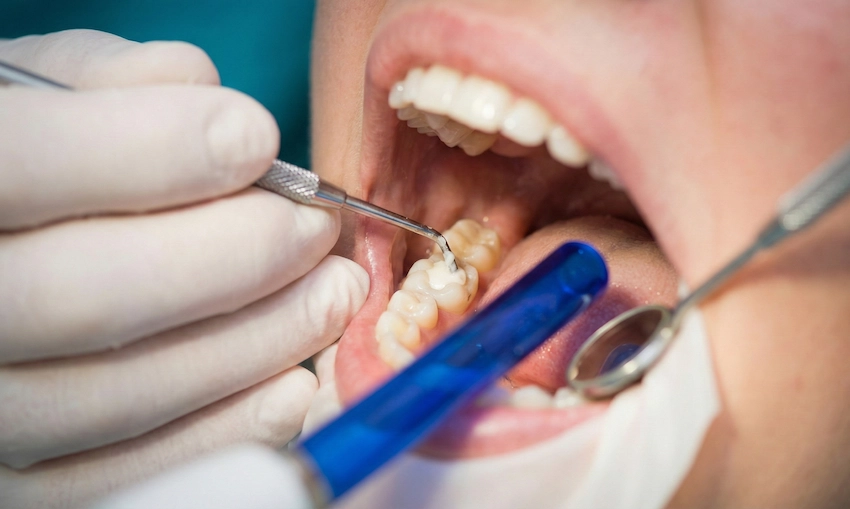
The primary method to lessen the threat of tooth decay is through the preservation of a regular oral hygiene routine, which should at least comprise brushing your teeth twice a day with a fluoride toothpaste. Inserting floss between your teeth will help you in removing the remains of food as well as the buildup of plaque that your toothbrush is unable to reach. Likewise, the use of an antibacterial mouthwash may assist in the destruction of bacteria and the reduction of plaque formation. Professor Doctor Coşkun Yıldız or a regular visit to a dentist will help keep your oral hygiene in check, ensure that your hygienic practices are effective and that your teeth are free of decay.
What You Eat Is Very Important to the Prevention of Cavities. Cutting down on sugar-laden food and drink, particularly between meals, will significantly limit the bacteria’s ability to produce acids that, in turn, will attack your tooth enamel. Water intake, should it be right after a meal, is very good for it helps in washing away the remains of food as well as the bacteria. By eating calcium-rich foods like milk and its products not only will you be helping the enamel grow strong but also making it resistant. Protecting your teeth and keeping the dental treatments at bay is only possible with maintaining these habits.
Risk Factors That Increase the Risk of Tooth Decay
- Poor Oral Hygiene
Cavities are one of the consequences of bad brushing and flossing habits due to plaque buildup on your teeth. Plaque is that bacterial film which when the bacteria inside produce acid, these acids eat the enamel and therefore decay will be caused.
- Sugary and Acidic Diet
Eating sugar-loaded treats, drinking soft drinks, and acidic beverages frequently are the main reasons why bacteria get their food source easily. Then they release the acid that is responsible for weakening teeth and causing decay.
- Dry Mouth
Saliva is the one that helps keep the teeth clean from food remnants and it does so by neutralizing the acids produced by bacteria. A dry mouth is usually a consequence of medication, caused by certain health conditions or by a lack of water. In such a case, the protective effect is very limited and that is why teeth are more prone to decay.
- Age
Children have more sensitive and thinner enamel, which is why they are more likely to get decay. Older people can have gum recession resulting in the exposure of the tooth roots which can get decayed. Also, there might be a decrease in saliva production.
- Genetics
Depending on the genetic factors, the enamel of your teeth could be strong or weak and also, how your body will handle the plaque and bacteria produced is another matter of genetics. Some people due to these inherited traits may be naturally more predisposed to cavities.
- Dental Appliances and Crowns
Braces, dentures, and crowns can make your oral hygiene more challenging, thus helping to accumulate plaque in the places that are difficult to reach. The risk of developing caries as a result of these devices increases.
- Medical Conditions and Medications
Situations such as diabetes, a health condition that results in tooth decay, and drugs that reduce saliva production, for instance, antihistamines, may cause the decay of teeth. Besides that, diabetes negatively impacts the body’s immune system which increases the risk of infection in the mouth.
- Frequent Snacking
Regularly snacking between meals, particularly if the snacks contain a lot of sugar or starch, is basically feeding bacteria without stopping. As a result, the formation of plaque is facilitated, and the risk of cavities goes up.
Risks of Delaying Dental Fillings
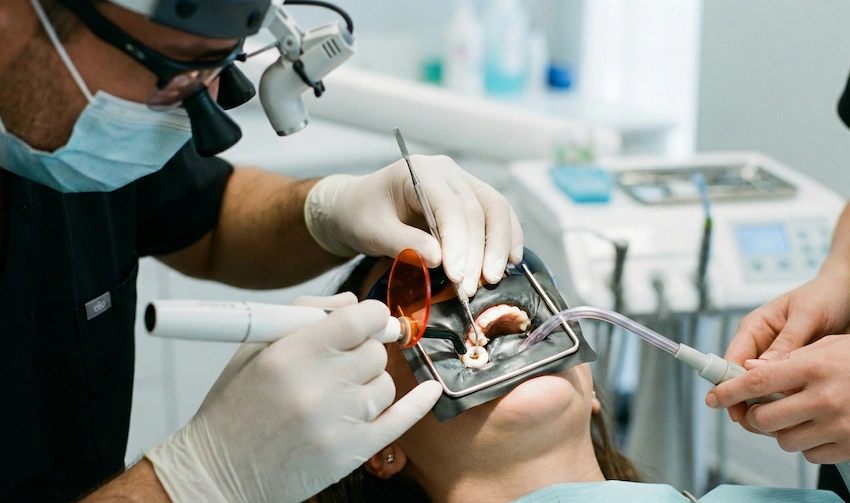
Putting off dental fillings can increase the harm to your tooth and might result in needing a complex treatment later on. When a cavity is allowed to grow, it can go to the pulp of the tooth, which is the part that has nerves and blood vessels, and can cause an infection. A filling will not be enough in such cases, and some more invasive operations like a root canal or tooth extraction may be required. Professor Doctor Coşkun Yıldız is the one who advises patients to get their cavities fixed immediately not only to save themselves from trouble but also to stop the spread of the disease.
When a person waits too long to get a cavity filled, the risk of the tooth’s structural damage increases which will, later on, cause pain and discomfort. In addition to that, the infection that is causing the cavity can become so severe that it can spread to other teeth and gums leading to periodontal disease and abscesses. Using dental fillings as soon as possible is a reliable method of restoring the tooth’s function; therefore, the necessity of more far-reaching operations is saved and the danger of complications is decreased.
Issues with Decay that Has Not Been Treated
If tooth decay is neglected, it may bring a series of major problems for the body apart from the dental ones. A tooth that has become infected because of decay can cause abscesses, that is, painful pus-filled sacs that can spread the infection to the nearby tissues. Besides, diseases of the gums may also become one of the consequences of the untreated tooth decay as the infection spreads to the gums, causing inflammation, bleeding, and even the loss of teeth. The most extreme cases could result in the invasion of the bloodstream by this infection which could lead to sepsis and other diseases that need very urgent medical intervention.
Besides, tooth decay that has not been treated will eventually leave the affected person incapable of chewing, speaking, and smiling with a healthy set of teeth. Besides, the decay process may also progress to a point where cracked teeth are the result, thus, leading to extractions if the force of saving the tooth cannot be done any further. At Lema Dental Clinic, Dentist Polen Akkılıç, along with her team, is working tirelessly to prevent this from happening by conducting screenings and providing treatment at the very first signs, thus, they will be able to keep your teeth healthy and functional for a long time.
How Long Can Tooth Decay Be Left Untreated?
- Early-Stage Decay (Enamel Damage)
Decay at an early stage of the enamel only, that is absolutely a characteristic of the tooth, can be withdrawn by restoring the layer of enamel with fluoride. However, the continuation of the neglect allows the decay to spread more and more.
- Progression to Dentin
When the rot goes through the dentin (the part under the enamel) that is what is generally affected by the decay. During this period of time the patient will most likely feel sensitivity and pain, which will intensify if he/she decides to use hot or cold products.
- Advanced Decay and Infection
If the decay remains unheeded, it may even extend to the pulp (the innermost part of the tooth) and cause an infection. The infection can extend to abscesses and make the tissues around the area swollen. Consequently, a root canal or tooth removal may be necessary.
- Potential for Tooth Loss
Those who never resort to dental care will suffer from bacteria invading the tooth, thus structural destruction will become more serious which will result in the fracture of the tooth. In some instances, such damage is so deep that the tooth can no longer able to be saved and therefore, has to be removed.
- Infection Spreading to Other Areas
Maybe the scariest thing about bacteria that live in the teeth is that they can just go ahead and break the decay which is left untreated and then spread towards other organs and tissues of the human body, thus making infections there that not only can be gums, jaw but also in the blood vessels. What is more, a little help from the doctor and this situation can escalate into sepsis along with other conditions that may even lead to death.
- Increasing Treatment Complexity
Postponing the matter of dental caries just makes the problem bigger and later on, it complicates the treatment and increases its cost. As a result, what could have been just a dental filling if done in the first stages can become the necessity of deeper procedures like endodontic therapy, dental crowns, or tooth extraction.
- Impact on Overall Health
An infected tooth that is left untreated can impair your immune system and lead to other serious health problems such as heart disease. If the infection moves into your bloodstream, this process will be quick. Keeping a regular check on dental health is a sure way to prevent the occurrence of decay which can turn into a health risk.
When Should You See a Dentist?
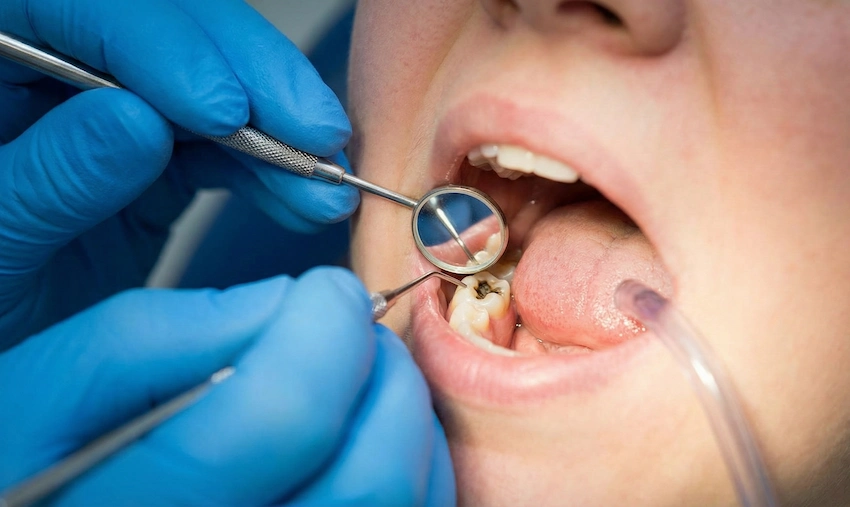
When you have any symptoms of tooth decay, such as sensitivity, pain, or the visual appearance of holes in your teeth, you have to see a dentist without delay. But going to the dentist should not be overlooked even when you feel no symptoms. These professional checkups that are done regularly can detect cavities at the very earliest stages which are still reversible. Dentist Polen Akkılıç and her team at Lema Dental Clinic recommend that a visit to the dentist should be done every six months to keep the oral cavity in good condition and stop tooth decay from getting worse.
In case you have a family history of tooth decay, suffer from dry mouth or have other risk factors, then you may need to visit the dentist more often. Timely dental visits can allow early identification of the problems which then can be solved using simple and less costly procedures. Professor Doctor Coşkun Yıldız puts it this way: “Patients should be oral health care heroes themselves; they should come to the dentist right away when they feel something is wrong.”
| Treatment Option | Description | Duration |
| Dental Fillings | Restores a decayed tooth by filling the cavity. | 30-60 mins |
| Root Canal Treatment | Treats infection in the tooth’s pulp, saving the tooth. | 60-90 mins |
| Tooth Extraction | Removes a severely decayed or damaged tooth. | 20-40 mins |
| Crowns | Covers a severely decayed tooth to restore function. | 60-90 mins |
FAQ About What Happens If Dental Cavities Aren’t Fixed?
Tooth decay occurs when plaque, a sticky film of bacteria, forms on the teeth and produces acids that damage the enamel. Poor oral hygiene, frequent sugar consumption, and infrequent dental visits are common causes of tooth decay.
Preventing tooth decay involves brushing your teeth twice a day with fluoride toothpaste, flossing regularly, and limiting sugary snacks. Regular dental checkups with Dentist Polen Akkılıç and her team also help identify and treat early signs of decay before they progress.
Tooth decay may not cause pain in the early stages, but as it progresses, it can lead to tooth sensitivity and discomfort, especially when eating or drinking hot, cold, or sweet foods. If the decay reaches the nerve, it can cause intense pain.
Early-stage tooth decay can often be reversed with fluoride treatments and good oral hygiene. However, once a cavity has formed, it cannot be reversed and requires a dental filling or other treatment to restore the tooth.
Yes, dental fillings are safe and commonly used to treat cavities. They restore the tooth’s function, prevent further decay, and come in various materials, including composite, amalgam, and gold, depending on the patient’s preference.
Yes, untreated cavities can lead to infections such as abscesses, which may spread to surrounding tissues. These infections can cause severe pain and require more complex treatments, including root canals or tooth extraction.
It is recommended to visit the dentist every six months for routine checkups and cleanings. However, if you have a history of cavities or other dental concerns, more frequent visits may be necessary to ensure your oral health is maintained.
- American Dental Association. (2021). Caries prevention: How to prevent cavities, gum disease, and tooth decay.
- Jadhav, S. R., & Yadav, A. (2019). Management of dental caries and its restoration: A comprehensive review. Journal of Dentistry, 47(3), 121-128.
- Miller, W. L., & Alexander, J. (2020). The effects of fluoride on dental enamel and the prevention of tooth decay. Journal of Clinical Dentistry, 35(4), 221-230.
- Smith, T., & Patel, D. (2018). Preventing and managing cavities in children. Pediatric Dentistry Review, 52(2), 87-94.
- Wilson, M., & Clarkson, J. A. (2021). Root canal therapy: Procedure, benefits, and risks. International Journal of Endodontics, 48(6), 712-725.

