For the parents to notice a squeaking or crunching sound from their baby’s mouth when the child is sleeping, can be a bit alarming. The good thing is, if you find that your baby is grinding their teeth, you are not an isolated case. Chewy dermatitis is the medical term for this condition, and it is, as a matter of fact, a very common phenomenon in infants and young children. But, with it being a widespread issue does it need to be left unchecked?
When a baby is grinding their teeth, it seems that they cannot control it themselves. When this takes place, the child is usually asleep, in bed or just doing nothing but playing with it in their mouth. It must be understood that the starting point for this most often is when the first set of upper and lower teeth have sprouted up—usually 6-12 months of age.
In the beginning, the noise making a grinding sound may cause concern but the truth is that it is mostly harmless if it is without extreme force. However, the bad consequence of the baby’s excessive and persistent tooth grinding may lead to enamel wear or gum irritation besides the extreme case damages of teeth in children that may result in an infection. In case kids keep the habit for a long time, it might escalate the possibility of them getting a dental abscess or an infected tooth.
Why a Baby Is Grinding Their Teeth: Causes and Considerations?
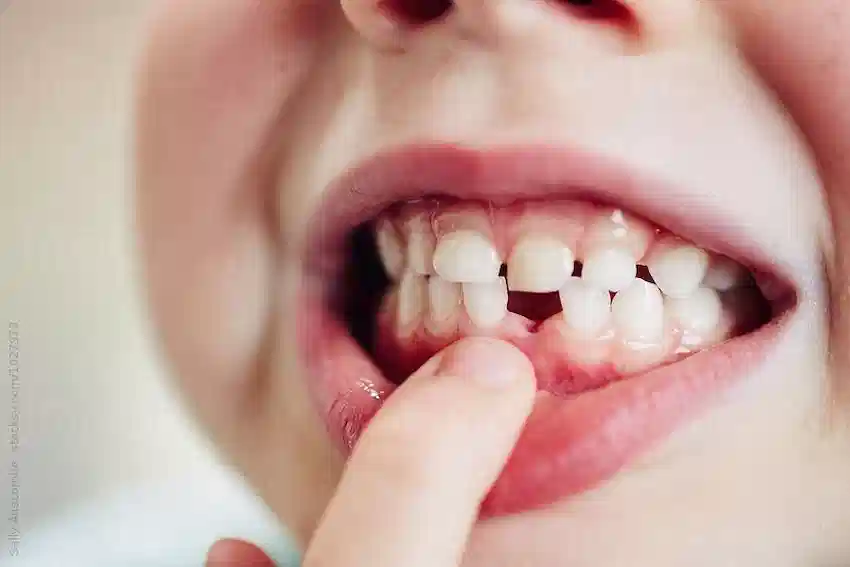
One question is, why is this happening? There may be several causes of a baby grinding their teeth most of which are related to normal developmental stages. The grinding together of the teeth in motion could be an effect of their discomfort due to the growing of their new teeth—each of the teeth appears individually through the gums or due to the self-soothing reaction to stress.
Teething, Curiosity, and Habit
In the cases where babies are grinding their teeth, the most possible reason may be the exploration of the teeth rather than anything else. There is their new set of teeth, and they, feeling as if they are explorers, are experimenting with biting and chewing motions. This practice is innocent on the surface, but doing it frequently or for a long time can progressively put stress on the teeth and the jaws.
What might seem like a trivial amount of such pressure can over time be responsible for very small cracks or the results of small chips; these cracks can thus start growing as far as becoming points for bacteria, which, in turn, can lead to infections or, worst case, the formation of abscesses.
It is quite clear that a baby is grinding their teeth if they, one way or another, seem to be uncomfortable. Several parents have been observant of other symptoms such as sleep problems, irritability, or decreased appetite, especially in the case where the grinding is very vigorous. Even though these are not the only important symptoms, they at least indicate that advice should be obtained from a pediatric dentist.
Could a Tooth Abscess Result from Baby Tooth Grinding?
It may not be common, but constant grinding can remove tooth enamel to such an extent that a tooth becomes subject to decay. Just in case your baby is grinding their teeth and they do it too often and with a simultaneous lot of pressure applied, that could wear off the enamel and cause dentin to be exposed.
This is the oral area where a tooth may get a bacterial infection, leading to an abscess if the pulp is reached.A dental abscess can be defined as a local accumulation of pus caused by the bacterial infection within the tooth or gum. This happens rarely in infants, although it is still possible — especially if the traumatized tooth (e.g., through the process of grinding or having accidentally bumped it) is not treated.
An abscess can induce inflammation, redness, elevated body temperature, and an excessive level of painful sensations. While babies can not describe their pain, they are able to show it in their behavior, such as drooling over things once spoken or rejecting any food, or by crying excessively.
If your baby grinds their teeth and shows signs of the above, seek dental care immediately. Treatment in the initial phase of the problem is conducive to impeding bacterial infection spread, which, otherwise, would require more invasive measures.
What Can You Do to Help Your Baby Cope with the Habit of Teeth Grinding?
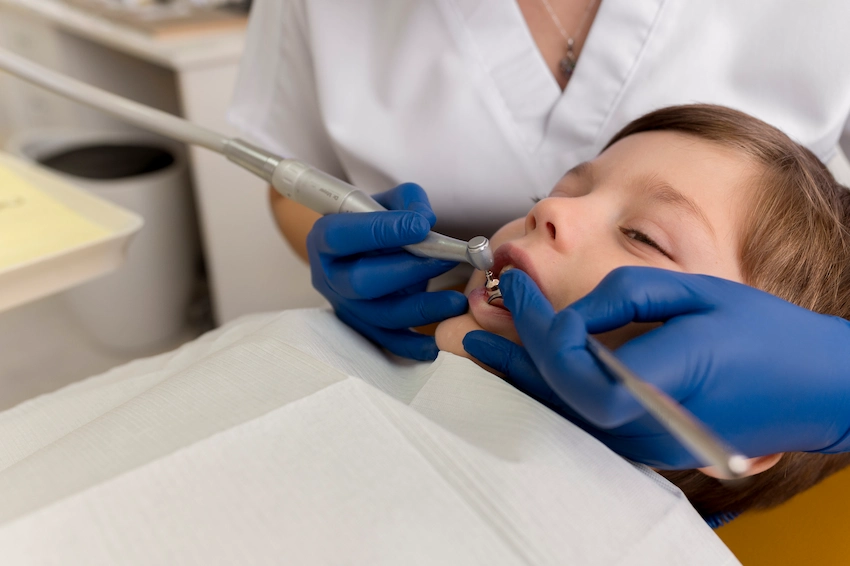
If your baby is grinding his/her teeth, there is no need to get scared, yet it’s also not recommended to disregard the problem completely. In fact, a great majority of children quit grinding upon extrusion of the permanent teeth of the full set. Nonetheless, keeping a checklist of the frequency, strength, and time of the grinding is still necessary.
One of the most effective measures you can take is to protect your baby’s dental health by the age of 1 or 6 months after the first tooth becomes visible by ensuring the first dental visit of your child. In the dental office of a children’s dentist, the doctor can check your baby’s teeth and the condition of their oral tissues to be assured of their sound state and be among the preventative health measures your child will get.
You can keep a baby’s mouth clean with a soft-bristled toothbrush designed for infants and also make sure not to put them to sleep with a bottle – especially if it contains juice or milk – as sugars can cause harmful bacteria to grow.
In case the baby is grinding teeth in sleep and there is no sign for the habit to wear off by the time they are 2 or 3 years old, a dentist may suggest something like a soft mouth guard as a preventive measure, although it is a very rare case with babies of such a need.
FAQ: Baby Is Grinding Their Teeth
Having babies grind their new teeth as they come in is quite common, yes. The majority of kids will grow out of it without any troubles.
Prolonged teeth grinding impacts enamel on a very rare occasion or causes it to be even cracked, which can lead to the appearance of dental infections as a result.
If the grinding is happening frequently, seems to be causing pain, or it’s too loud then the early check is definitely necessary to rule out any complications.
Of course, even hygiene maintenance is important in the first place, and not through grinding teeth. Nevertheless, in very rare cases, there may be so intense grinding that it leads to enough damage to the tooth that bacteria can penetrate the dental pulp ultimately causing tooth abscess.
Make sure that they are not gnashing or clenching due to stress or suffering. Communicate with a dental practitioner who specializes in children’s dentistry in case the severity of the condition remains or intensifies.