Withstanding a child’s health and development, teething is among the very first stages of childhood, the eruption of the first, deciduous or “milk” teeth also known as baby or primary teeth. In the eating process, children need these teeth for assistance, as it helps them speak, and also be the formation of their permanent smiles. How many teeth does the milk dentition have?
Eventually, baby teeth will fall out; however, they act as space maintainers that direct the growth of the permanent teeth to the right positions. But what about the number of teeth that a child has in their milk dentition? And why are these teeth so essential? Let’s go through these questions in detail.
Interpreting the Milk Dentition
The milk dentition refers to the initial teeth set that are generally first to appear in children around six months of age. How many teeth does the milk dentition have? These 20 teeth are indispensable for several functions. They help children consume solid food, communicate effectively, and facilitate the growth of their permanent teeth in the oral cavity.
Different from the permanent teeth that eventually show up, the primary teeth, or the milk teeth, are not forever. They start to fall out at the age of about six years, thus allowing the establishment of the permanent set. Before the time that the teeth actually fall, they carry out an indispensable task in the children’s development, which means they are key in digestion, language skills, and the child’s mouth as a whole.
One set of temporary teeth will be the combination of incisors, canines, and molars, and they are usually divided into four equal parts among the four quadrants of the mouth. Two incisors, one canine, and two molars will be found in each quadrant.
How many teeth does the milk dentition have? Thus, the total number of teeth in the mouth amounts to twenty. These teeth are usually smaller and whiter than the permanent ones, with enamel thinner than the permanent teeth, which makes them more susceptible to enamel.
When Do Baby Teeth Appear and What Do They Do?
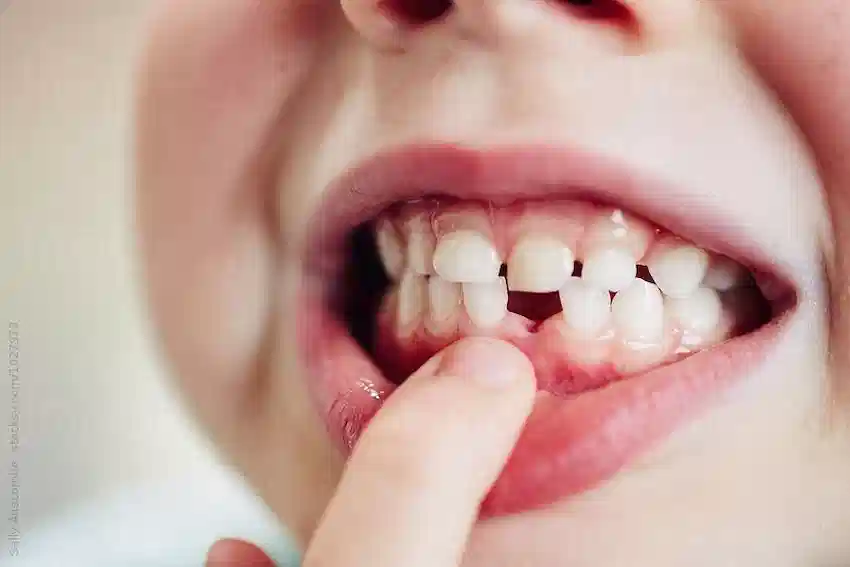
Most parents usually notice the eruption of baby teeth at around the age of six months, albeit there are some young ones who experience the first tooth a bit earlier or later. For the most part, the stage is the sweetest for the parents who are generally excited that the baby would start to eat tasty and hard food and to talk more distinctly. Normally, the first tooth that emerges is one of the lower central incisors, and then the upper central incisors come after that.
The next batch of teeth to make their appearance is the lateral incisors, which are the second rows of teeth at the front on both sides. Then the canines (the pointed teeth) are visible and they are followed by the molars. The first molars are typically seen at around one year old, while the second molars generally come in at about two years of age. Most children will have their full set of 20 milk teeth by the time a child hits around three years old.
While these teeth are required for appearance and chewing, they are also crucial for other purposes.cThey are instrumental in the dental health of the child during early childhood. Incisors are used for cutting food, canines help in the tearing of food, and molars are employed to grind the food and make it fit for swallowing.
Besides, they also assist children in articulating words crisply, which in turn, simplifies speech development. Though these teeth are not long-term residents, they still can build a good oral base, which is vital for the prevention of oral diseases as well as the continuation of their oral health properly.
The Importance of Baby Teeth
Baby teeth play a very important function during their short life. They act as a guide for the adult teeth that will come later and if a baby tooth is lost due to decay or an accident, the result is that the permanent teeth that succeed will not be lined up properly. These baby teeth can punish the early ones, resulting in some serious issues later, ranging from over-crowding to misalignment which might require orthodontic treatment.
But not only is it a matter of keeping a space for the permanent teeth, baby teeth are also a necessity for the child’s proper diet. Since these teeth are those used in the breakdown process, they help inculcate the habit of children’s good nutrition by the effect of varieties of food, including the tough to break down kinds. A child who has had a tooth extracted is likely to be faced with food that is hard to chew, thus affecting their diet negatively.Also, the eruption of these primary teeth facilitates good speech.
The teeth enable the formation of sounds, and the achievement of a good pronunciation of words is substantially dependent upon the friendly appearance of baby teeth. The failure to properly erupt the baby teeth might make it hard for a child to properly pronounce the right sounds, hence communication will be affected.
Maintaining Healthy Baby Teeth
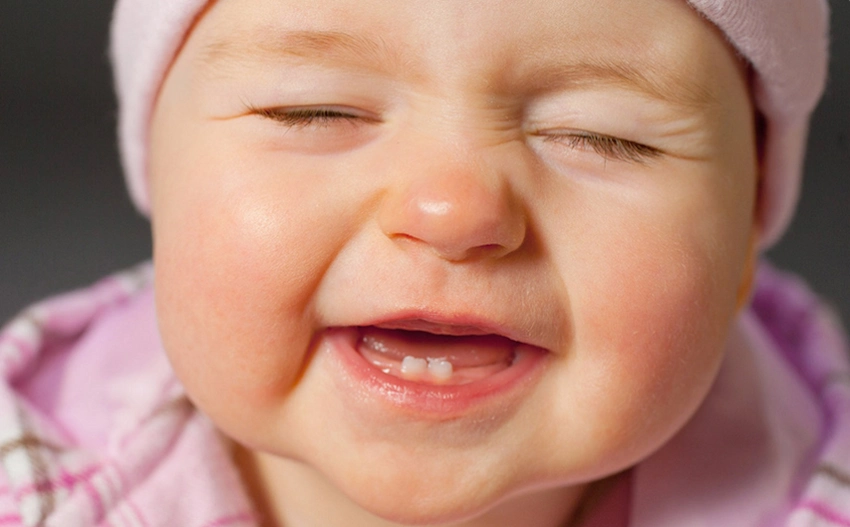
The oral care of baby teeth should be done as meticulously as it is with adult teeth. The baby teeth are the beginning as well as the end of teeth that must be regularly cleaned so that they do not decay or be the cause of gum diseases. Moreover, setting good oral cleaning habits right from the beginning ensures the future change to be extra smooth for the child.
Parents should be told that the minute a new tooth comes up, the first thing to do is to make the child brush the tooth with a fluoride toothpaste, then once the teeth are up and are touching each other they can commence flossing. Regular dental appointments are also vital for a pediatric dentist to supervise the health and growth of the primary dentition.
It’s the parents’ responsibility to motivate their kids to stay away from sugary snacks and fizzy drinks, the overconsumption of which is the primary cause of tooth decay in the milk teeth.Kids who lose their milk teeth too early due to cavities might have future dental problems, which could be of a severe, irreparable nature, and cost them more in the future.
FAQs About Milk Dentition
The primary teeth, or milk teeth if you will, are 20 in total: 8 incisors, 4 canines, and 8 molars. These teeth are temporary and will be replaced by permanent ones in the course of time.
Children normally start losing baby teeth by the time they are six years old, usually beginning from their incisors on the lower jaw. From 12 to 13, almost all kids are already with no baby teeth and these have been replaced by permanent ones.
Having to get rid of a tooth as a child could be due to it rotting or getting knocked out and consequently, it is now a wandering tooth. This robbery of space by the teeth for its convenience tends to misplace and misalign the permanent ingrown teeth
Yes, the baby teeth are required by children for the chew, help them in the development of speech, and they also guide the building of permanent teeth to the correct position. Not only that, but they are also an integral part of early childhood development.
You can prevent cavities by brushing your child’s teeth regularly with fluoride toothpaste, avoiding sugary snacks and drinks, and taking your child for regular dental checkups to monitor their oral health.