


What is D1208?
The dental code D1208 is an identifier for a preventive treatment referential dental charting used for the administration of a topical fluoride agent in the teeth of a patient. This particular treatment is a part of the standard medical routine in a dental office and the purpose of it is to help the tooth enamel become more resistant and hence, dental caries (tooth decay) risk will be decreased. Generally, fluoride treatments are essential elements in dental prevention that are mostly enjoyed during regular dental visits to safeguard the teeth against cavities. The fluoride delivery is a remineralizing process of the tooth enamel; it actually reverses the trace decay, and it offers an area for the teeth that could not be attacked by dental caries in the future.
Fluoride is an effective agent against tooth decay and the D1208 is the code that is used for issuing and recording these kinds of treatments. Besides, in children’s dentistry, fluoride treatment is often prescribed to ensure the safe development of teeth. What is more, adults with a history of caries, periodontal disease, or risk factors that predispose them to fluoride treatments may be a wise option for them. On the other hand, a dental-using D1208 is allowed so as not to come under the influence of the action of the care that includes the billing for dental practices.
When Should You Use D1208?
D1208 is a local measure that should be exercised to a patient who is significantly and severely exposed to causes that bring about dental decay, among the mentioned scenarios hypothetically, just to name a few: a patient with a history of cavities, unhealthy nutrition in terms of sugar intake, or individuals complicated with dry mouth that leads to the reduction of protective functions of saliva. The use of the code is practical during normal check and doctor’s appointments which can be either twice a year or too frequent a schedule for a particular patient. Care and condition of the children’s teeth are a great priority for D1208; thus, it is assumed that the children’s newly erupted teeth or the ones with the highest risk of development of caries are to be supplied with the D1208 treatments to stabilize their oral health.
Besides kids who are primary beneficiaries, the dental practitioners may also recommend D1208 for grownups with increased risk factors of dental cavities and the related plaque tartar deposits. Patients wearing orthodontic devices, individuals suffering from periodontitis, or persons affected by medical conditions such as diabetes which causes difficulty in maintaining oral hygiene may be examples of those that the dental professionals in charge use to assume when prescribing D1208. Administering fluoride in such a scenario can be considered a defensive move that prevents the coming of additional complications, for instance, tooth decay and enamel wear, which, in general, happen mostly to people whose oral health has been compromised.
How Do Dentists Use D1208?

In modern dentistry, the use of the D1208 code is essential in preventive care. After a thorough oral health assessment and determining the patient’s cavity risk, it is a dentist or hygienist who then carries out the fluoride application. The treatment may be done with a gel, foam, or varnish depending on the preference of the doctor and the patient’s need. Fluoride is made to directly come in contact with the teeth so its molecules may enter the enamel and strengthen it thus the patient is protected from getting new caries for the next several months.
D1208 is a very important instrument not only from a clinical stance but also from a financial point of view. Clinically speaking, the code helps in keeping records that fluoride treatments were part of the patient’s care and were performed. Financially, it makes billing for the fluoride treatment accurate thus, the dental professionals, the practice, and the patients are paid right and on time. Moreover, the utilization of this code also facilitates dental practitioners in record-keeping for all patient treatment plans which are instrumental in the patient’s long-term care monitoring.
What Could Be Common Clinical Scenarios for the Usage of D1208?
The D1208 code is mostly used in those situations where the patients’ dental check-up results lead to identifying their future dental health risks, especially regarding the risk of caries development. Usually after the eruption of permanent teeth, in a period when the teeth are more vulnerable to decay, the code is involved in children’s treatment. Moreover, fluoride treatments are likewise great for teenagers wearing orthodontic appliances because they possibly have resistance to cleaning the areas around brackets and wires that thus the most prone spots for caries formation. Furthermore, among adults, D1208 is often recognized for usage in patients suffering from gingivitis or xerostomia and those who are addicted to sweet consumption thus build up of risk factors for forming caries equally apply to them.
Individuals who have had dental restoration work such as crowns or fillings may be eligible for D1208 fluoride treatments. These individuals may have been left with an issue of delicate enamel or may be at a greater risk of future decay due to their dental history. The fluoride treatment provides these patients with a safe environment for their dental work and guarantees the safety of their remaining natural teeth. The dental professionals usually take into account the past, present, and the patient’s lifestyle before introducing D1208 as part of their routine check-up.
What Are the Advantages of Using Dental Code D1208?
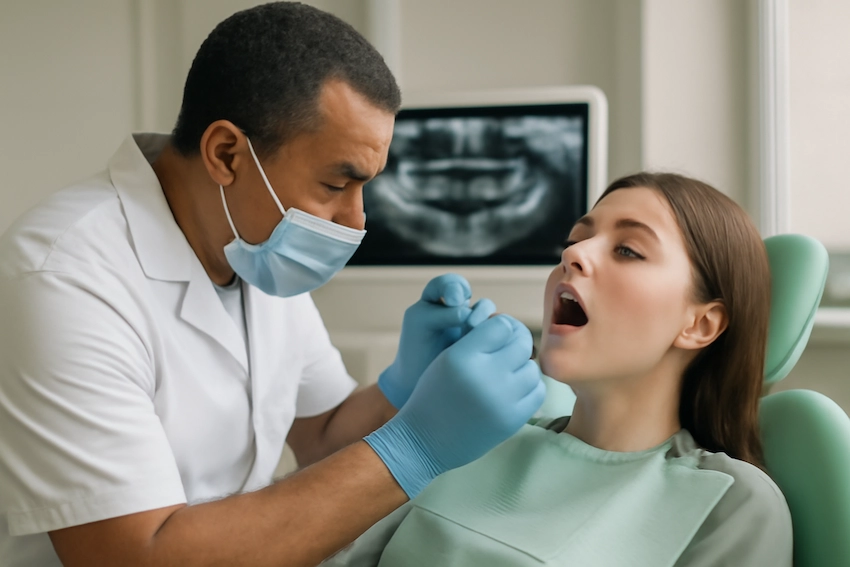
- Prevents Tooth Decay: One of the primary functions of D1208 is that it facilitates the strengthening of the tooth enamel layer, which, in turn, becomes more resistant to the acids released by the bacteria that dwell in the oral cavity. Consequently, this results in the development of dental caries or tooth decay being substantially lowered.
- Cost-Effective Prevention: The application of D1208 in fluoride therapy can serve as a preventive measure against the need for more expensive and complex masticatory treatments, such as fillings or crowns, thus, saving the user money in the long run.
- Improves Long-Term Oral Health: The main goal of fluoride treatments is to provide dental care and thus, over time, the patient’s oral health condition will get better as the teeth become less prone to plaque and caries, which eventually lead to a decrease in dental problems during their lifetime and stronger teeth in the course of time.
- Safe and Non-Invasive: The fluoride application is a minimally invasive and pain-free technique; hence, it is applicable to both kids and grown-ups. There are no operations or recovery times involved.
- Helps Patients Undergoing Orthodontic Treatments: For patients wearing braces or other kinds of dental appliances, fluoride treatment is a means of keeping the teeth healthy as appliance users in most cases find it hard to clean the teeth properly.
- Supports Enamel Remineralization: Besides assisting in decay prevention, fluoride is also indispensable in enamel remineralization. At this stage, the process is capable of repairing the earliest decay, thus, contributing to a healthier tooth structure.
- Convenient and Fast Procedure: Usually, the administration of D1208 fluoride treatments is done rapidly and, thus, the time required for the patient is kept to a minimum, which is very efficient in the case of routine dental check-ups.
- Versatile: D1208 is available for the use of a broad spectrum of patients, which ranges from children who are in the process of permanent teeth eruption to adults who are more prone to dental cavities. It offers full coverage of different age groups.
- Insurance Benefits: Fluoride treatments carried out under D1208 are, in most cases, paid for by dental insurance as a part of the preventive care program. This gives patients easy access to the procedure and a chance to save on the costs incurred from out-of-pocket payments.
- Encourages Other Forms of Preventive Oral Care: When fluoride therapy is included in a patient’s regular dental care plan, then, in this case, D1208 is a preventive stand-alone measure that can be combined with other forms, such as cleanings and sealants, to achieve the patient’s oral health more completely.
Cautions Related to the Dental Code D1208
D1208 is a pretty safe and effective operation in general and can be a great treatment for most patients. Still, a dentist needs to have a few spells of journeys of caution in his/her pocket. For example, fluoride application should not be given to patients allergic to fluoride or to those who are likely to develop fluoride intoxication. Excess fluoridation especially in children below 6 years area may cause dental fluorosis, a pathological condition that causes teeth to be discolored or mottled. So, oral care providers must know the total fluorine intake of a patient from all sources such as water and not only the clinic treatment to prevent overdose.
In addition, the D1208 code cannot be used for a patient having a bad oral health situations that require different treatments. As an example, if the patient suffers from dental caries or periodontitis, the dentist needs to do the fillings or gum therapy first and then think about the fluoride application. It is the responsibility of dental professionals to examine the condition of each patient’s oral health in detail and decide on the safest and most effective method to be implemented.
D1208 Procedures: What Are the Limitations?
- Cannot Reverse Decay: D1208 is a preventive treatment and therefore cannot be used to reverse tooth decay or cavities. If a patient comes with cavities, then a restorative intervention such as a filling will be necessary.
- Confined to Preventive Care Only: D1208 is a code used for a fluoride treatment only. It is not intended for the treatment of gum disease, tooth sensitivity, or oral infections.
- Help Limited Severely Enamel Damage: Although fluoride is a source of enamel strengthening, it cannot change severely eroded or damaged enamel. D1208 is a treatment that is most effective when it is done on healthy teeth or when decay is at its very early stage.
- Risk of overexposure: The most visually prominent side effect of dental fluorosis that is generally referred to is the discoloration or mottling of teeth. This is a case when dental fluorosis comes from an overexposure to fluoride, which is a pattern typical for children. Therefore, it is quite indispensable that the distribution of fluoride among children should be controlled so that none of them, especially the youngest ones, is excessively exposed.
- Non-product for allergic patients: Intolerance to D1208 has been shown in cases of allergy or hypersensitivity to fluoride. A thorough health history must be taken to confirm the safety of each patient’s fluoride treatment.
- Temporary solution: A fluoride treatment like D1208 is a short-term solution that gives cavity prevention. Even though it is a good way to strengthen enamel, the effects are temporary, and the reapplication of treatment will be needed after some time.
The Main Benefits of Employing D1208 Dental Code
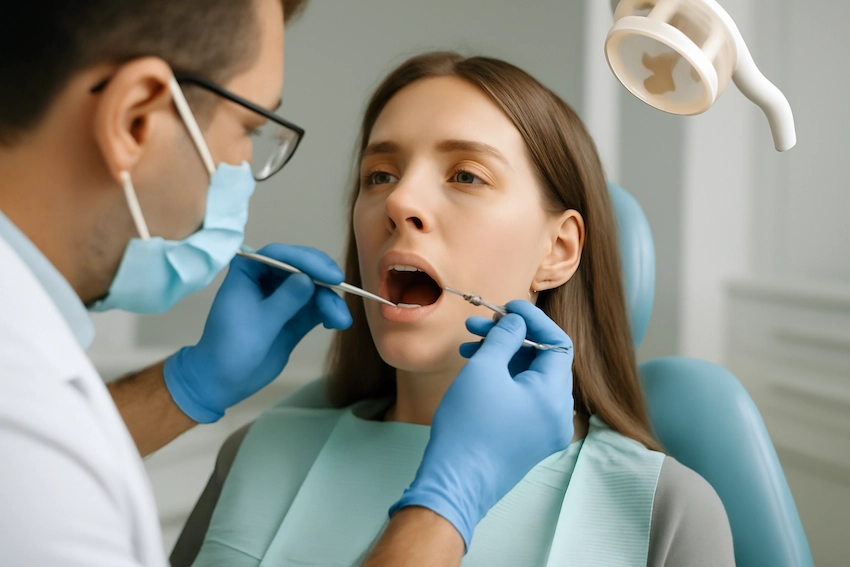
The use of the D1208 dental code is beneficial in numerous ways to dental professionals as well as to patients. For dental practices, it acts as a transparent and standardized way of documenting preventive care and thus ensuring that fluoride treatments are billed correctly. In this way, the practice remains financially stable and preventive services are paid for correctly by insurance companies. Besides, the code facilitates easy record-keeping and monitoring of preventive treatments that have been administered over time, which is indispensable for customer care.
Patients, on the other hand, can mainly benefit from D1208 as the code is instrumental in the prevention of tooth decay and in lowering the risk of dental problems that may occur in the future. Fluoride treatments, by strengthening enamel and making it less vulnerable to bacteria, are the best ways for patients to keep their natural teeth healthy and to prevent the need for invasive dental procedures. D1208 is the right tool that can be used to guide oral health management in a proactive way particularly for those who are at a high risk of developing dental caries. Such a preventive strategy leads to several advantages over time, including fewer cases of dental caries, reduced dental costs, and better oral health in general.
Comparison of Fluoride Treatment Types
| Fluoride Treatment Type | Application Method | Duration of Effectiveness | Common Use Cases |
| Fluoride Gel | Applied directly to teeth | Up to 6 months | Children, high-risk adult patients |
| Fluoride Varnish | Painted on teeth | 3-6 months | Children, orthodontic patients, seniors |
| Fluoride Foam | Applied using a tray | 3-6 months | Children, regular preventive care |
References:
- American Dental Association. (2021). Fluoride treatment: What you should know. Retrieved from https://www.ada.org/en/member-center/oral-health-topics/fluoride-treatment
- Centers for Disease Control and Prevention. (2019). Community water fluoridation. U.S. Department of Health & Human Services. Retrieved from https://www.cdc.gov/fluoridation/
- National Institute of Dental and Craniofacial Research. (2020). Fluoride and dental health. U.S. National Institutes of Health. Retrieved from https://www.nidcr.nih.gov/health-info/fluoride
- American Academy of Pediatric Dentistry. (2020). Guideline on fluoride therapy. Pediatric Dentistry, 42(6), 45-52. https://doi.org/10.1105/jpd.2020.045
- Rethman, M. P., & Rondeau, M. J. (2018). Fluoride varnish and its clinical applications. Journal of the American Dental Association, 149(8), 639-644. https://doi.org/10.1016/j.adaj.2018.05.009
FAQ: What is D1208?
Dental Code D1208 refers to a procedure for applying fluoride to a patient’s teeth to help prevent tooth decay. This treatment is used to strengthen the enamel and reduce the likelihood of cavities by offering extra protection against the acids that contribute to decay.
D1208 is typically used during routine dental visits for patients who are at risk for tooth decay, including children with newly erupted teeth, adults with a history of cavities, and those who have orthodontic appliances or a high-sugar diet.
D1208 can be applied in several forms, including fluoride gel, varnish, or foam. The fluoride is directly applied to the patient’s teeth using a brush, tray, or similar tool, depending on the fluoride treatment type and the patient’s needs.
The frequency of fluoride treatments with D1208 depends on individual risk factors. Generally, fluoride treatments are recommended once every six months during routine check-ups. However, patients with a higher risk of cavities may need more frequent treatments.
Yes, fluoride treatments under D1208 are safe for children. They are commonly used to protect children’s newly erupted teeth from cavities. However, it’s important to follow dosage recommendations to avoid excessive fluoride exposure, which can lead to dental fluorosis.
The primary benefit of D1208 is its ability to prevent tooth decay by strengthening tooth enamel. This preventive measure helps reduce the likelihood of cavities and other dental problems, potentially saving patients from more costly and invasive treatments.
While fluoride treatments are generally safe, overuse or excessive exposure to fluoride, especially in children, can lead to dental fluorosis, which causes white spots or streaks on the teeth. Dental professionals assess each patient’s fluoride exposure to avoid this risk.
Yes, D1208 is suitable for both adults and children, especially those with a higher risk of tooth decay. Adults who wear braces, have dry mouth, or consume sugary foods regularly are good candidates for fluoride treatments to help protect against cavities.
No, D1208 is a preventive treatment and does not treat existing cavities. If a patient already has tooth decay or cavities, those issues must be addressed with restorative procedures like fillings or crowns, not fluoride treatments
D1208 specifically refers to a professional fluoride treatment applied in a dental office. Other forms of fluoride treatments, such as over-the-counter fluoride toothpaste or home-use fluoride gels, are typically less concentrated and do not offer the same level of protection as professional treatments like those coded under D1208.

