


Tooth removal ranks among the most frequent dental operations. Even though, in many cases, it may provide relief from pain, inflammation or problems caused by overcrowding, a lot of patients suffer from some kind of complications after the operation. Of these complications, foul breath is one of the most common ones. This condition also called post-extraction halitosis is caused by different reasons among which bacterial growth, poor healing and oral flora changes are the most remarkable ones. The pain that usually accompanies the procedure can be made even worse by the unpleasant breath, and thus the whole recovery period can be uncomfortable.
Knowing why one’s breath smells badly after tooth extraction and the ways to prevent it makes the healing process not only comfortable but also effective. Here at LEMA DENTAL CLINIC, we not only stress the significance of good hygienic habits in the prevention of post-extraction complications but also highlight the role of healing management and the importance of taking the doctor’s advice. In fact, if the bad breath is a result of bacterial growth, dry socket, or food left in the socket, our crew is ready to give you the best care and support during your recuperation, and thus, your breath will remain fresh.
Halitosis goes with tooth extraction and is usually temporary but still, it can cause anxiety. With proper post-operative care, the time and the strength of the bad breath can be considerably shortened. By getting more familiar with the reasons for this condition, patients will be in a position to deal with it properly and their healing will be less time-consuming and more comfortable.
What is Bad Breath After Tooth Extraction?
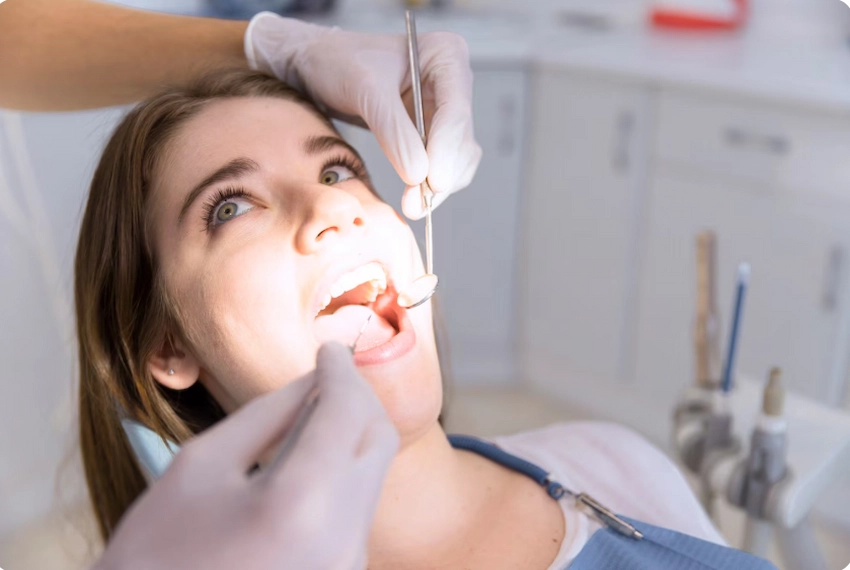
Bad breath, technically halitosis, which occurs after tooth extraction is something that very often happens during the stages of the body’s recovery. Removal of a tooth marks the start of tissue renewal by the organism. One of the steps it takes is the creation of a blood clot in the area where the tooth was extracted. The clot acts as a barrier for the bones and the nerves that are left open while the healing process goes on. However, if the blood clot is touched or removed before the normal time, it is going to cause dry socket – a situation where the open bone is not only painful but also attractive for bacteria to locate.
As well as dry socket, food residues and bacteria can get into the hole where the tooth was removed and around it and thus they can be responsible for the emission of the bad-smelling sulfur compounds. The mouth’s defense weapon against bacteria, saliva, is also very important in cleaning the mouth and balancing acid levels. Post-extraction, saliva production may be somewhat lowered, so bacteria can flourish and cause bad breath. This process may last from a couple of days to a week and it depends upon the person’s recovery.
The time for which breath smells badly and the strength of the smell may depend on various factors among which are the patient’s oral hygiene, the kind of extraction done, and if the patient has suffered from infection or dry socket as a result of the extraction. Still, bad breath to some extent is normal after the extraction, and it gets better with time. However, if the bad smell in the mouth continues or becomes worse after the seventh day, it is necessary to see a dentist so as to find out if there is an infection or some other complication causing the symptoms.
Main Causes of Halitosis After Tooth Extraction
Unpleasant breath after the removal of a tooth can be caused by a variety of factors. These are mainly factors that may occur due to blood clot disruption, food debris accumulation, and bacterial activity. Here are the causes of bad breath after dental extraction that most commonly occur in such a situation:
Blood Clot Disruption (Dry Socket Formation)
The body after a tooth removal forms a blood clot and it is this clot that not only protects the extraction site but also provides healing. When the clot is disrupted, a physical trauma, a wrong way of cleaning, or certain activities can result in the exposure of the bone and nerves under the site. This situation is called dry socket and it is accompanied by pain and bad breath. The absence of the blood clot which is the cover for the area gives the bacteria the opportunity to start multiplying in the region thus the production of bad-smelling gases. Dry socket is a state in which the breath is very bad and hence it is one of the main reasons for halitosis after tooth extraction.
Food debris and bacterial growth
An extraction site is basically an open wound that nature has left exposed, so it is vulnerable to situations where food debris may get trapped. If these particles decay in the moist environment of the mouth, then they become the food of bacteria. This bacterial activity is the main cause of volatile sulfur compounds (VSCs) like hydrogen sulfide, which are the major contributors to the bad odor that is typical of halitosis, being released as the primary source.
Not enough oral hygiene after an extraction may result in food particles being left in the socket and thus becoming a source of bad breath. Bacterial growth and smell can be kept under control by regularly performing gentle cleaning and saltwater rinsing.
Infection and inflammation
Infection can also be a source of bad breath that can be found in the tooth extraction area. If bacteria get into the wound and multiply, they can cause swelling of the gums and the extraction site, i.e., an infection condition. This infection, thus, is accompanied by the production of pus, which releases more bad odors.
Besides being more painful, the infected sockets are, furthermore, an extended healing time, and the result is bad breath, which lasts longer duration. To prevent infection and thus bad breath, it is essential to see the doctor without delay.
Disruption of Oral Flora and Odor-Producing Bacteria

The mouth is like a miniature world of bacteria; most are friendly and cause no harm. After a tooth is pulled, the community of bacteria in your mouth can be changed dramatically. The imbalance of microorganisms in your mouth can lead to an increase of anaerobic bacteria which normally live in the absence of oxygen and this is why they are found in the extraction socket. In order to survive, these bacteria feed on food saccharides, the remnants of blood and tissue fluids, thus releasing sulphur compounds that cause bad breath.
Oral microbial balance is one of the most important factors that determines fresh breath. In fact, good bacteria are the ones that keep bad bacteria in check through both competition for space and nutrients. After the extraction, the equilibrium of bacteria is usually upset, resulting in the proliferation of bacteria that emit sulfur gases. These gases are the result of bacteria attacking proteins in the mouth and they become hydrogen sulfide and methyl mercaptan, which evaporate along with the air making the bad breath sharper. The stronger the anaerobic bacteria population the worse the bad breath.
One can use antiseptic mouthwashes, chlorhexidine solutions, as well as probiotic oral care products in order to restore this balance and eliminate bad breath. These are the products that will make it hard for the harmful bacteria to survive, and at the same time they will provide good bacteria with the right conditions for them to multiply. In addition to this, regular tooth brushing, tongue scraping, and keeping in concert with a dentist’s instructions for post-operative care will not only limit bacterial growth but will also improve breath quality.
Insufficient Cleaning of the Site and Infection-Causing Inflammation
Insufficient cleaning of the extraction site, without a doubt, is the most crucial factor among those that lead to the development of bad breath after extraction. After a tooth is taken out, food or bacteria will in most cases be caught in the hole. In case patients do not keep good oral hygiene, such particles will ferment and thus become a constant source of bad odors. What is more, the inflammation resulting from bacterial attack or from the neglect of hygiene, thus, intensifies the problem of bad breath causing its higher level.
Inflammation after a tooth removal is the body’s healing of the wound process. But if the place is infected or irritated, the swelling will increase, thus the unnecessarily inflamed tissues will be hard to heal. The bad things and bacteria that are trapped there can also lead to the release of more sulfur compounds, which cause bad breath. Patients should clean their sockets after removal gently and according to the dentist’s instructions. They may also do it with saltwater rinses or chlorhexidine mouthwash to get rid of bacteria and make the healing process easier. Those who have had dental surgery must be checked regularly to ensure that the area is healing properly and that any infection or complication can be discovered at an early stage.
Dry Mouth (Xerostomia) and Halitosis Relationship
Dry mouth, also known as xerostomia, is a problem that arises when the amount of saliva produced in the mouth is insufficient. Saliva is an incredibly important secretion in the human oral cavity, as it maintains oral hygiene, neutralizes acids, and is also a great antibacterial agent. Without saliva, the cleaning that is done naturally is interrupted and thus bacteria, food leftovers, and other matters that cause the mouth to become dirty are accumulating.Such a problem is very frequently encountered in cases as after a tooth extraction; however, it can also be caused by breathing through the mouth, taking certain medicines, or having some medical condition.
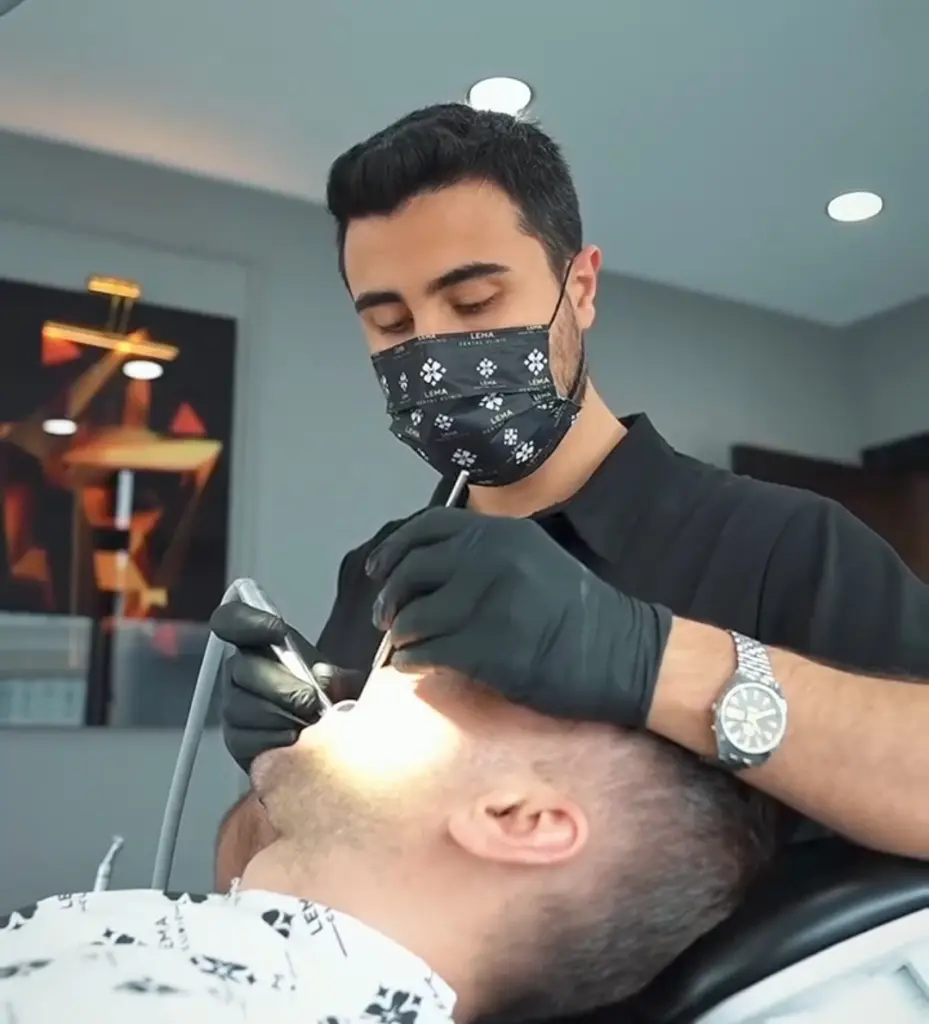
Dry mouth and bad breath (halitosis) are two conditions that go hand in hand. The main cause of this is that with less saliva, bacteria have more room to multiply and at the same time this is the main cause of bad breath. Here are some of how dry mouth and halitosis are interrelated:
- Reduced Saliva Flow Promotes Bacterial Overgrowth
Saliva helps to clean the oral cavity by getting rid of food remains and neutralizing the acids that bacteria use as food. When there is a decrease in saliva production, bacteria have less resistance and can therefore stay in the oral cavity for longer periods thus they are given a constant source of food. During the process of bacteria breaking down food particles, they emit volatile sulfur compounds (VSCs) such as hydrogen sulfide and methyl mercaptan, which are the main contributors to bad breath.
- Inability to Neutralize Acids and Prevent Infection
One of the factors that leads to the production of bad breath is the inability to neutralize acids and prevent infection. In a normal mouth, saliva acts as a neutralizing agent for the acids that bacteria release thus the bacteria cannot create an acidic environment that is capable of damaging the teeth and gums. When the mouth is dry the production of saliva is almost negligible and as such the acid level in the mouth is on the rise which not only furthering bacterial activity, it is also contributes to halitosis. This situation reinforces the loop in which dry mouth worsens the state of halitosis and hence it becomes difficult to get rid of the odor unless both problems are solved simultaneously.
- Increased Risk of Oral Infections
In a situation where dry mouth is extensive and lasts for a long time, the risk of oral infections hemorrhagic gingivitis and periodontal disease is increased. These infections are the most common causes of bad breath. Saliva deficiency makes the gums and other soft parts of the mouth that are even more vulnerable to infection and inflammatory processes. When tissues get inflamed, bacteria multiply and produce bad odors. As a matter of fact, controlling dry mouth is very important to lower such infections and get fresh breath as a result.
- Difficulty in Maintaining Proper Oral Hygiene
In case a person had a dry mouth, that person would very likely have a big struggle to maintain oral hygiene. Besides that, it may even be the case that the respective person is brushing, flossing, and tongue cleaning all going down at the same time and plaque is being deposited more than before. Plaque is basically what leads to bad breath the most since it is the main source of bacterial growth. People with dry mouth condition have to double their care in performing oral hygiene if they want to prevent bacteria and food residue from accumulating in their mouths, which is the main cause of bad breath.
- Mouth Breathing and Dryness
A significant number of people who have dry mouth also breathe through their mouths, which is common when sleeping. This action dries out the mouth even more and lowers the production of saliva, so the occurrence of bad breath is highly probable. Additionally, breathing through the mouth can worsen the sensation of dryness and make the person feel uncomfortable, thus resulting in a vicious cycle of halitosis that continues indefinitely.
- Mouth Dryness Caused by Medications
Maybe the patient profiles that go along with the intake of drugs that include substances such as antihistamines, antidepressants, and painkillers, mention mouth dryness as one of the side effects. Medications of such types reduce the secretion of saliva from glands, thus creating a place where bad breath can easily develop. In case you are a medication user who leads to dry mouth, then it is obligatory to consult a dentist and a doctor simultaneously to learn about other treatment options or ways of alleviating the symptoms of xerostomia.
- Increased Tongue Coating
Dry mouth is frequently associated with a coated tongue, which in turn is one of the main causes of bad breath. Normally, saliva helps to cleanse the tongue by washing away the dead cells and bacteria attached to it. However, when there is a lack of saliva these cells and bacteria are allowed to accumulate, thus creating a thick and sticky layer on the tongue which releases a bad smell. Although regular tongue scraping or brushing may assist in the removal of this coating, it is still very important to take care of dry mouth so as not to suffer from halitosis again.
- Contributing Factors to Chronic Halitosis
Chronic dry mouth (xerostomia) is very likely to be a permanent situation and as such a source of chronic halitosis if proper treatment of the condition is not provided. In general, dry mouth that is only short-lived may be a result of tooth removals or some medical interventions whereas long-term xerostomia can be regarded as a sign of such health problems as diabetes, Sjogren’s syndrome, or sleep apnea, which are even linked to bad breath. Once the underlying cause is managed and treatment for dry mouth is sought, the problem of halitosis will be alleviated to a great extent.
- Hydration as a Key to Prevention: Water
Intake is one of the most important and at the same time easiest measures to combat dry mouth and thus prevent halitosis. Keeping the body well-hydrated through water intake is not only good for keeping the mouth fresh but also for allowing the saliva to do its cleansing job and to wash away the bacteria and food remnants from the oral cavity. Apart from this, patients with dry mouth are highly recommended to resort to saliva substitutes and sugar-free lozenges so that the latter will produce saliva and at least partially relieve the dryness.
Scientifically Backed Methods to Stop Unpleasant Breath After Tooth Extraction
There are quite a few science-backed methods that one can use to prevent and get rid of bad breath which occurs as a result of tooth extraction. Such methods basically deal with the causes of halitosis that include bacterial growth, inflammation, and dry mouth. Here are some of those methods:
| Preventive Method | Mechanism of Action | Recommended Frequency |
| Saltwater Gargle | Helps cleanse the extraction site, reduces bacterial load | 2–3 times daily |
| Chlorhexidine Mouthwash | Kills anaerobic bacteria and prevents infection | Once daily (as prescribed) |
| Probiotic Oral Care | Restores microbial balance and inhibits bad bacteria | Daily for 2 weeks |
| Tongue Scraping | Removes bacterial buildup on the tongue and reduces bad breath | Twice daily |
| Hydration | Prevents dry mouth, facilitates tissue healing | 2–3 liters of water daily |
If people include these techniques in their everyday life patients will be able to control and avoid bad breath after tooth extraction. In short, these measures together with check-ups and advice from a specialist constitute a safe, easy, and fast recovery without the risk of dry socket or infection.
References
- Aydın, F., & Karaca, I. (2019). The effects of dry mouth on oral health: A clinical review. Journal of Oral Health, 45(2), 107-114. https://doi.org/10.1016/j.joh.2019.04.004
- Dawes, C., & Wong, M. (2015). The effects of saliva on oral health. Journal of Dental Research, 94(8), 1051-1057. https://doi.org/10.1177/0022034514566442
- Dodds, M. W. J., & Edwards, M. (2020). The physiology of saliva and its impact on oral health. Oral Diseases, 26(3), 534-542. https://doi.org/10.1111/odi.13219
- Tiwari, T., & Kaur, G. (2018). Saliva: A natural protection for oral health. Dental Research Journal, 15(2), 80-85. https://doi.org/10.4103/1735-3327.222842
- Zimmermann, M., & Fuchs, M. (2017). The role of xerostomia in chronic halitosis and oral infections. Journal of Clinical Periodontology, 44(9), 845-850. https://doi.org/10.1111/jcpe.12723
Frequently Asked Questions About Bad Breath After Tooth Extraction
Bad breath occurs due to bacterial activity in the extraction site, blood clot disruption, and food particle accumulation.
It typically lasts for a few days to a week, but persistent bad breath may signal infection or complications like dry socket.
Yes, mild bad breath is common in the first few days, but it should improve as the extraction site heals.
Yes, persistent bad breath, along with pain and swelling, can indicate an infection or dry socket.
Use saltwater gargles, keep hydrated, and follow your dentist’s care instructions to reduce bad breath.
Bad breath may last longer if food or bacteria remain in the socket, or if an infection or dry socket develops.
Bad breath that is accompanied by fever, severe pain, or swelling could indicate a serious infection or dry socket.
Yes, dry socket exposes bone and tissue, allowing bacteria to proliferate and produce a foul odor.
Antibiotics help prevent infection, but must be used alongside other oral care practices to manage bad breath effectively.

