Tooth discoloration in children is a more frequent occurrence than the majority of parents would assume. It relates to a visible alteration in a child’s teeth color which can be in the range from yellow or brown to gray or even black. Knowing the reasons for tooth discoloration in kids is just the first step in the process of preventing long-term dental issues.
Based on the area from which the discoloration is coming, those are two main types of discoloration: extrinsic (from the surface) and intrinsic (from inside the tooth). Extrinsic (surface) tooth discoloration in kids is usually attributed to bad brushing habits, consumption of staining foods, or usage of certain medications. Intrinsic (internal) discoloration can be caused by a trauma, an overexposure to fluoride, or some health problems that mainly affect the enamel or dentin.
If you are wondering as to why tooth discoloration in kids happens even when kids brush their teeth properly, then the answer probably lies under the surface of hygiene—it can be developmental, environmental, or even hereditary.
Common Causes of Tooth Discoloration in Kids
The common causes of tooth discoloration in kids are well-known to every parent. And some of the causes mentioned here might also amuse you!
- Inadequate Brushing: One of the main factors that lead to tooth discoloration in kids is the development of the plaque due to the lack of plaque control in oral hygiene. Plaque is the place where food particles, bacteria, and pigments that gradually discolor teeth are hosted.
- Fluorosis: Even though fluoride plays a big part in the prevention of cavities, if there is too much of it during the development stages it can cause the appearance of white streaks or brown patches on enamel – fluorosis is the leading cause of intrinsic tooth discoloration in children.
- Trauma or Injury: A fall or an impact can not only make a child’s tooth become gray but also turn it dark brown eventually. The process is that the blood vessels inside the tooth are damaged, hence the internal discoloration.
- Medications or Illness: The use of antibiotics such as tetracycline (if taken during pregnancy or early childhood) has been associated with dental discoloration in children. Moreover, the occurrence of infections or elevated body temperature during the formation of teeth can also have an impact on the color of enamel.
- Diet: Sweet drinks, colas, soy sauce, and even iron supplements may cause the baby’s teeth to become stained, which is a source of the recognizable tooth discoloration in children.
How to Treat Tooth Discoloration in Kids?
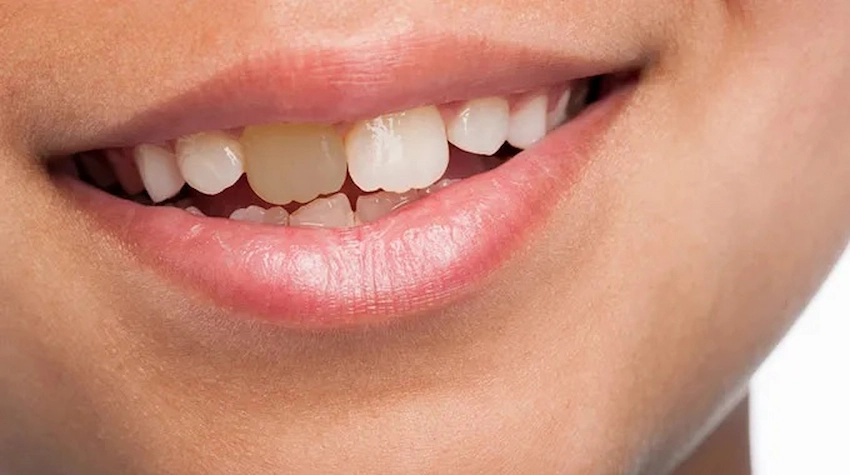
The appropriate treatment for tooth discoloration in kids is dependent on the condition that caused the change in color. Many cases, in fact, are reversible, or at least controllable, with the help of a professional. Usually a professional cleaning by a pediatric dentist is sufficient in removing the surface stains for tooth discoloration in kids.
If the stains are still there, probably gentle polishing or a whitening toothpaste that is approved for kids may be prescribed. However, note that the whitening products that are of adult strength are not suitable for children. As for intrinsic discoloration, the solution may be more complicated. Sometimes, the dentist can suggest:
- Microabrasion
- Composite bonding
- Pediatric crowns for severely discolored teeth
At all times, the dentist of your child will determine if discoloration of the child’s teeth is simply a cosmetic issue or a sign of a more serious problem. Taking action early makes it possible to avert both further enamel damage and emotional distress for your child.
How to Prevent Tooth Discoloration in Kids?
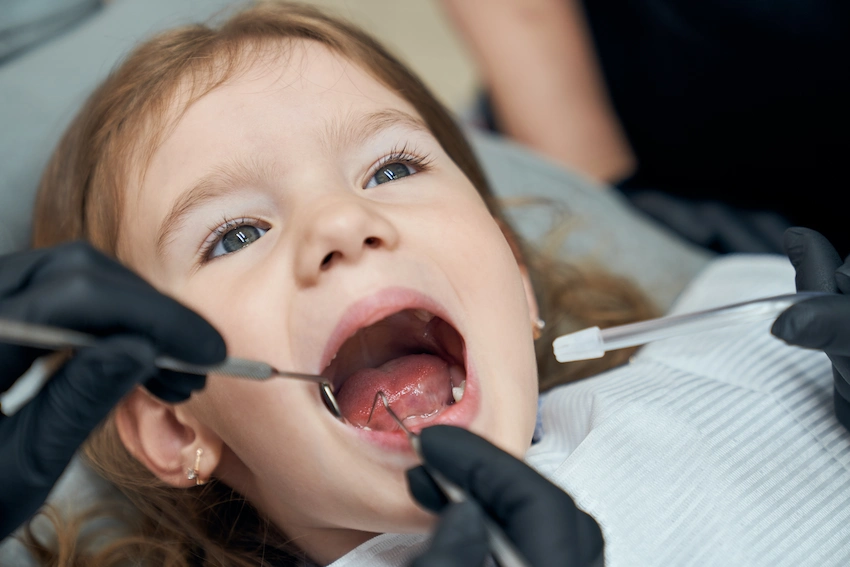
Good daily habits and regular dental checkups are the first steps to go before seeing the appearance of tooth discoloration in kids. A dentist would suggest the following as some of the most likely ways to keep a child’s smile bright and healthy:
- Brushing your teeth twice a day with fluoride toothpaste (for children less than 3 years old a small amount the size of a grain of rice and for the rest of the kids a bit bigger the size of a pea).
- Consuming staining foods and drinks in limited amounts such as grape juice, cola, and soy sauce.
- One of the main reasons for dental issues is fluoride overexposure that leads to fluorosis. Talk with your dentist so that your kids can have the correct and safest dosage of fluoride.
- Start a dental visit routine from the age of one or at least six months after the first tooth eruption.
- By using a straw, reduce the contact of dark-colored drinks with your teeth.
The best way to keep your children from is through tooth discoloration in kids leading them to learn correct brushing habits at an early age. And don’t forget: primary teeth are important too! Although they will be replaced, they are still the main source for the development of healthy permanent teeth and general oral health.
FAQs About Tooth Discoloration in Kids
Not always. The majority of stains are only temporary, and they can be eliminated by good hygiene or a professional cleaning; however, intrinsic stains can lead to the necessity of more complicated dental treatments.
Gray teeth probably are due to an injury or the fact that blood has accumulated inside the tooth. A dentist should be the first person to go and see if this occurs.
Indeed, plaque and tartar accumulation due to inadequate brushing is the main contributor to the development of the surface discoloration and yellowing of kids’ teeth.
Some mild discoloration is to be expected, but a consistent yellow, brown or gray color should be checked by a pediatric dentist.
Yes, definitely in most situations and, above all, if detected early. Staining on the surface of the tooth can generally be undone, whereas the darkening that comes from within the tooth might require the use of cosmetic procedures.