


The Science Behind the Connection: Why Cardiologists Are Focusing on Oral Health
In the latest research, a strong and scientifically very meaningful relationship is detected between periodontal disease and cardiovascular disease. Leading cardiologists such as Prof. Dr. Coşkun Yıldız emphasize that oral health should be a decisive factor in the prevention of heart diseases. Generally, the progression of gum disease is associated with the formation of tartar on the teeth. The plaque that the bacteria present in the food and the products create on the teeth leads to the infection and inflammation of the gums.
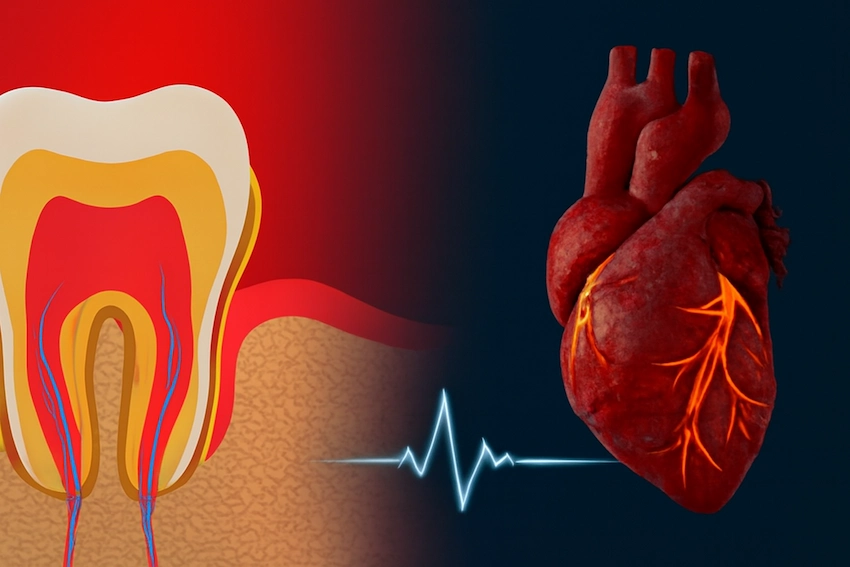
In cases where this infection is not treated, bacteria can get into the bloodstream and reach other areas of the body that are connected to the blood flow. When bacteria have reached the bloodstream, they move to the heart muscles and there they cause inflammation in the arteries. This results in the formation of atherosclerosis which is known as the stage of arteries that are getting harder and tighter, thus giving rise to heart attacks, strokes, and other cardiovascular diseases.
The link between gum disease and heart disease has mainly been attributed to the chronic inflammation experienced by patients with gum infections. Now, cardiologists have come to know that this inflammation aggravates the condition of the heart and also causes the formation of dangerous plaque in the arteries. On the other hand, specialists such as Dentist Polen Akkılıç along with her staff, by communicating the necessity of healthy gums, have displayed that prevention and treatment of gingival diseases not only might reduce systemic inflammation but also may lower the risk of heart disease. Their clinic is constantly reminding patients that dental care, although it is often overlooked, should be integrated into the cardiovascular health approach to obtain overall wellness.
How Gum Disease May Raise the Risk of Heart Disease?

One cause of tooth extraction is gum infection which is a result of bacteria (plaque) sticking to the surface of the teeth. Brushing is the only method to get rid of plaque that has turned into tartar. Dental plaque, which through the conversion becomes tartar, can only be removed by brushing. However, it also irritates and infects the gums from which there is swelling and bleeding. At the time the infection will be continually remaining in the place, it will surround the tooth and the bone that holds the teeth will slowly get infected.
Furthermore, the bacteria that are in the infected gums causing the gum infection might enter the bloodstream which we know as bacteremia. The blood that carries these bad bacteria to all parts of the body is also the heart where they can produce heart diseases. This bacteria triggers the immune system to release plaque on the artery walls which leads to the narrowing of the arteries and makes them lose their elasticity. The narrowing of arteries which is called atherosclerosis reduces the amount of blood going through the body and that is why consequently, the risk of having a heart attack, a stroke or other cardiovascular diseases gets heightened.
Several factors also support the link between gum disease and heart disease. For example:
- Chronic Inflammation: Most of the harmful processes leading to cardiovascular disease are basically caused by persistent inflammation that slowly deposits fatty plaques in the arteries resulting from gum disease, thus making the flow of blood through the vessels difficult. The situation is among the main sources of heart disease.
- Increased CRP Levels: There is a connection between periodontal disease and the levels of C-reactive protein (CRP) which is a marker of inflammation and denotes an inflammatory state in the body. High CRP levels are often linked with an elevated risk of cardiovascular incidents.
- Bacterial Spread: The relocation from the mouth to other parts of the body, especially the heart, the risk for arterial damage resulting in atherosclerosis and hypertension which, subsequently, may develop into heart disease, is significantly raised.
- Untreated gum disease is frequently found among those who are responsible for increased blood pressure. The condition, if combined with atherosclerosis, can be capable of putting a heavy load on the heart, thus making it susceptible to injury.
Each time patients of Dentist Polen Akkılıç and her team are consulted, they are informed about the connection between oral diseases and heart health, which is one of the ways a healthy mouth is necessary to lower the risk of cardiovascular disease. Early treatment of gum infections enables patients to protect not only their oral health but also their heart health for the future.
Healthy Gums, Healthy Heart: Preventive Steps for Both
Oral hygiene of the right standard (the main prevention of the risk of heart diseases related to it) is the key that keeps gum disease away. Brushing (with fluoride toothpaste) at least twice a day, flossing daily, and using an antibacterial mouth rinse constitute the basics in oral health. These procedures greatly reduce the presence of plaque on the teeth and around the gums which are the stage of the infection from which the body utilizes and which are the immediate causes of gum disease. However, the hygiene of the mouth is only a fraction of the prevention program. A healthy diet and physical training are very significant as well for the health of the gums and heart.
Listed preventive measures are the most effective ones:
- Brushing and Flossing: First of all, when you brush your teeth at least twice a day plaque and food remnants do not stay on your teeth. At the same time it also enables flossing to clean the parts that lie between teeth where a toothbrush cannot reach. Furthermore, brushing and flossing together significantly decreases the likelihood of both gum disease and cardiovascular complications stemming from it.
- Regular Checkups: In addition to the cleanings done by the professionals and looking for the very first symptoms of gum disease, visiting the dentist is a must. Apart from the services of deep cleaning to get rid of tartar and plaque, the dentist can also instruct the patient on the correct ways of brushing and flossing thus resulting in the maintenance of the cleaning.
- Heart-Healthy Diet: A diet that is high in raw fruits, vegetables, and whole grain products and low in processed foods is not only good for the body but is also anti-inflammatory across the body. In addition to antioxidants, omega-3 fatty acids, and vitamins rich foods help vitality not only in gums but also on the whole body, which in turn lowers cardiovascular risk by supplying the necessary nutrients to the gums.
- Physical Activity: The good thing about exercise is that it enhances blood circulation and also gives strength to the heart along with the gums. Suitable exercises for the heart such as brisk walking, cycling, and swimming which are capable of oxygenating the blood supply to the gums hence granting them the opportunity to receive the needed nutrients from the blood vessels keeping the tissue healthy.
- Avoid Smoking: Smoking is the main contributor to both gum disease and heart disease. The irritant nature of tobacco smoke together with the toxic chemicals in it not only lowers the immune system but also at the same time makes the plaque accumulate in the arteries.
If people follow these preventive measures they can substantially lower the chances of gum and heart diseases. Those patients who visit Dr. Polen Akkılıç will benefit from a holistic health approach that not only through the check-up and the patient’s habits takes care of the oral but also the cardiovascular systems.
What Happens When Gum Disease Spreads to the Bloodstream?

.In cases where gum disease has progressed, the bacteria in the infected gums can enter the bloodstream, which is referred to as the bacteremia process. Via that route, bacteria can colonize other organs, the heart being among the first. When bacteria invade the heart, they give rise to an inflammatory response of the arteries, thus the risk of arterial damage and blood clot formation increases. Since the arteries are getting damaged and narrowed, the blood that the body requires can flow only in a limited amount and as a result, heart disease might develop over time.
The body reacts to the attack by bringing white blood cells to the site to combat bacteria; however, this continuous inflammation can attract more destruction of the arteries and can raise the risk of cardiovascular problems like heart attacks and strokes, which can also be caused by this infection. Dentist Polen Akkılıç’s team consisting of her, stresses the seriousness of untreated gum disease through their work, by informing patients that treatment of oral health is not only the prevention of loss of teeth but also a factor that protects the heart. Patients who do not respond to gum disease in time and do not care for it timely, may, without realizing it, be the reason for the increase in the risk of heart disease, thus early intervention and correct treatment become the key to controlling the infection and preventing the occurrence of cardiovascular troubles.
Dr. Polen Akkılıç and her dental team communicate the seriousness of untreated gum disease in their office by informing patients that oral health treatment not only prevents tooth loss but dental hygiene is a protective factor for the heart. Patients who postpone gum care and neglect it thoroughly may, without knowing it, become the source of the increment of heart disease risk; therefore, early intervention and proper treatment turn into the control of infection and prevention of cardiac troubles.
Studies That Show a Strong Link Between Gum Disease and Cardiovascular Risk
Among scientific works, the link between dental problems and heart troubles is one of the most common associations that authors put forward. A large study by the American Heart Association demonstrates that patients with moderate to severe periodontal disease have a risk of cardiovascular diseases that is 2 to 3 times higher than those with healthy gums. The Journal of Periodontology article underlines that gingival diseases hold the closest relationship with elevated levels of C-reactive protein (CRP), the inflammation marker of the body. CRP is known as the best risk factor for heart attack, thus periodontal disease is identified as a probable source of cardiovascular diseases.
These discoveries have compelled specialists like Prof. Dr. Coşkun Yıldız to put oral care at the center of the preventive strategy against cardiac diseases. And here comes our role as dental professionals in which we have to inform the public that by avoiding gum disease and alleviating inflammation, they not only save their gums but also decrease the possibility of a heart attack, stroke, and other cardiac events. Along with regular and good dental care and healthy lifestyle choices, the risks of both oral and cardiovascular diseases can be reduced significantly.
Brushing and Flossing for a Healthier Heart: Practical Tips
Healthy oral hygiene which includes brushing and flossing on a regular basis is the very basis of a healthy mouth and a heart. Brushing with fluoride toothpaste has to be done twice a day, which means that brushing should be done at least half the time. This is because the removal of plaque and bacteria, which are the major causes of gingivitis, is facilitated. Every day we must floss as well. It is between teeth that are the smallest spaces where bacteria, and plaque, the main sources of infection, therefore, are cleaned with dental floss. Patients with risk factors for heart diseases like hypertension, etc. should not only Brush and floss their teeth but also have professional dental care.
An antimicrobial mouth rinse can be a part of an oral care routine because it is a good source of bacteria in the mouth, and thus gives the gums a barrier against infections. Patients should not eat sugar-rich foods and drinks because these will cause acid which is the starting point of being able to get plaque formation and hence the risk of gum disease. They will protect not only their teeth and gums but also their hearts by practising these tips and making oral care their top priority all their lifetime.
The Benefits of Regular Dental Checkups in Preventing Heart Disease
First of all, regular dental check-ups are essential for the early detection and treatment of gum disease, which is the root of various health problems. Dentists like Professor Doctor Coşkun Yıldız can very well detect tiny symptoms of the disease in the mouth, for example, bleeding gums and redness, and they can improve the situation by giving treatment before it gets worse. Moreover, professional cleanings not only give you a deep cleaning that you may not achieve at home but also help in preventing gum disease and the related heart disease risk.
Of course, a visit to the dentist is not only about cleaning and examinations but also provides a chance for patients to get specific instructions regarding the improvement of their dental hygiene practices as well as health management. People, who are in the high-risk group for cardiovascular disease (especially diabetics and those with high blood pressure), can gain a lot from regular dental visits because these visits can identify problems early on and thus interventions can be made quickly. These checkups are an important step to keep oral and heart health in excellent condition for a long time.
Oral Health Tips for a Healthy Heart
| Tip | Benefit |
| Brush twice a day with fluoride toothpaste | Reduces plaque buildup and prevents gum disease |
| Floss daily to remove debris | Prevents the accumulation of harmful bacteria |
| Eat a balanced diet rich in vitamins | Supports both gum and heart health |
| Exercise regularly | Improves blood circulation and reduces inflammation |
| Visit your dentist regularly | Detects gum disease early and prevents progression |
References:
- Beck, J. D., & Offenbacher, S. (2019). Periodontal disease and cardiovascular disease: Epidemiology and management. Current Opinion in Cardiology, 34(3), 317-323. https://doi.org/10.1097/HCO.0000000000000607
- Cugini, M. A., & Farina, R. (2018). The association between periodontal disease and cardiovascular disease. Journal of Periodontal Research, 53(2), 141-149. https://doi.org/10.1111/jre.12533
- Genco, R. J., & Borgnakke, W. S. (2018). Risk factors for periodontal disease. Periodontology 2000, 62(1), 59-80. https://doi.org/10.1111/prd.12197
- Huang, Y., Zhang, L., & Zhao, D. (2021). Oral health and its impact on cardiovascular disease: A comprehensive review. Journal of Clinical Periodontology, 48(9), 1036-1045. https://doi.org/10.1111/jcpe.13429
- Lind, L., & Hultman, E. (2020). Inflammation and heart disease: The role of oral bacteria. Atherosclerosis, 312, 45-50. https://doi.org/10.1016/j.atherosclerosis.2020.02.011
- National Institutes of Health. (2022). Periodontal disease and its association with heart disease. NIH News. Retrieved from https://www.nih.gov/news-events
- Sanz, M., & D’Aiuto, F. (2021). Periodontitis and cardiovascular disease: A review of the biological mechanisms. Frontiers in Cardiovascular Medicine, 8, 625634. https://doi.org/10.3389/fcvm.2021.625634
FAQ: Link Between Gum Health and Heart Disease
Yes, untreated rotten teeth can cause gum disease, which increases the risk of heart disease. Bacteria from decayed teeth can enter the bloodstream and trigger inflammation that affects the heart.
As people age, their immune systems weaken, and they become more vulnerable to gum disease. The chronic inflammation associated with gum disease can exacerbate cardiovascular risks in older adults, making heart disease more likely.
Regular brushing, flossing, and visiting the dentist are essential for maintaining healthy teeth and gums. A healthy diet and avoiding smoking also support strong oral health and reduce the risk of heart disease.
While bacteria naturally exist in the mouth, an overgrowth of harmful bacteria can lead to gum disease and increase the risk of heart disease. Proper oral hygiene keeps bacterial levels balanced and prevents harm.
High levels of oral bacteria can enter the bloodstream through infected gums, causing inflammation in the arteries. This inflammation contributes to the development of atherosclerosis, increasing the risk of heart disease.
With proper management, periodontal disease can be controlled, allowing for a healthy life. However, untreated periodontal disease may lead to severe complications, including heart disease, if not addressed.
While advanced periodontal disease cannot be fully reversed, it can be managed with treatment. Regular dental visits, professional cleanings, and good oral hygiene can prevent further damage and improve gum health.

