Little teeth, big problems! Teething may seem like a small issue, but for babies and their parents who get less sleep, it is a huge difficulty. Teething can make your baby’s mood jump from cheerfully playing to his grumpiest in a split second, cause some hand-shaking, and that’s just the beginning. Sleepless nights and non-stop hugging are just some of the symptoms of the condition.
At Lema Dental Clinic in Istanbul, Turkey, we empathize with the fact that nothing can be more endearing than a child’s smile, which is, definitely, a gift not less than sunshine. We have a team of soft, pediatric dentists who are ready to take care of your child’s teeth and a healthy mouth from the start of his/her life.
Starting with a child’s first tooth up to an anticipated Hollywood Smile, we are not only here to restore teeth, but also to guide, reassure, and look after every little smile that is on its way to a healthy and cheerful future.
How to Recognize the Signs of Teething

All of a sudden, when your baby starts to teethe for the first time, you are likely to feel like you are solving a case. Can one laugh now and the next moment start biting their fingers and drooling like a dog? Here are the signs of teething to look out for.
Common Baby Teething Symptoms:
- Drooling: A bit like a small waterfall – you might need a few extra bibs to be on the safe side.
- Swollen Gums: Red, puffy, or slightly bruised gums can look normal to you.
- Biting & Chewing: As the saying goes, babies can chew on anything, so teethers, fingers, and toys are all fair game.
- Irritability: Fussy spurts for no reason? Don’t be surprised if they’re teething.
- Ear Tugging or Cheek Rubbing: This is a child’s way of dealing with the discomfort triggered by gum pressure.
These symptoms usually come and go away quickly, and each baby’s teething pattern is unique; still, you will definitely be aware of the arrival of the first tooth.
When Do Babies Start Teething and Why Does It Hurt?
Around 4 to 7 months is the typical starting point of the teething process, but some kids start either a little earlier or a little later. And the answer is yes, it can be painful. Imagine the force of a sharp tooth trying to break through the soft, already swollen gum tissue. It is really quite painful for the baby, and this is not only discomfort but also a very painful process for pain sufferers.
Teething Stages:
- 6 months: Lower front teeth start coming in (central incisors)
- 8 months: Upper front teeth are on the way
- 10–14 months: Your child’s first molars are suitable for a major chew (these may seem large in comparison to the other teeth)
- 18–24 months: The canines and the second set of molars
When your child is 3 years old, he/she should have 20 milk teeth and you will have survived many sleepless nights and wet bibs, but that’s the best feeling as a parent to see your child growing healthily and happily.
Perfect Home Remedies to Eliminate Teething Pain

It’s just a few simple, home-based remedies that relieve your baby’s discomfort without having to be a pharmacy full of products.
Home Teething Pain Relief:
🧊 Cold Teethers: Put a rubber teething toy in the refrigerator. It has a calming effect on inflamed gums as the cold reduces inflammation and numbs the gums.
🖐️ Finger Massage: Wash your hands and lightly massage his/her gum with your finger. This simple hand gesture can have a great impact; you might be surprised at the result.
🧼 Chilled Washcloth: Wet a clean cloth, squeeze out the excess water, and then pop it in the refrigerator. Allow your baby to chew on it when he/she is ready for it.
🍼 Chilled Foods: Giving your baby cold purees such as applesauce or yogurt (if they can take them) might be a good idea when they are already on solid food.
💤 Extra Comfort: Teething babies find the absence of their first rough emotional response, lots of close contact, soft and tranquil surroundings, and gentle movement that reminds them of fetal times soothing.
Explained warning messages and in order not to use freezing marketing is a no-go (too hard and might cause damage to the gum tissue), and in case the doctor you are working with gives his approval, only then can these gels be applied.
What Parents Should Avoid During the Baby’s Teething Process
Feeling that the life of their baby might be a little bit of a disaster, parents are, however, eager to follow the old proverb “prevention is better than cure” and take all essential measures. Still, not all teething practices are equally safe, such as the ones listed below.
What Not to Do:
🚫 No Benzocaine Gels: Using these gels in children younger than 2 years old can have harmful effects on their health and well-being.
🚫 No Frozen Items: Teethers should be cold, but not extremely hard frozen.
🚫 No Amber Teething Necklaces: These gorgeous-looking accessories are actually creating a possibly deadly choking and strangulation hazard for infants.
🚫 No Harsh Rubbing or Salt: There is no point in doing this kind of thing when the gums are very fragile. In this situation, use only mild actions.
If there is any doubt, get in touch with your chosen pediatrician or a pediatric dentist such as Lema Dental Clinic’s practitioners, who are well-versed in handling these dental troubles of developing kids.
How to Deal with the Teething Pain of A Baby
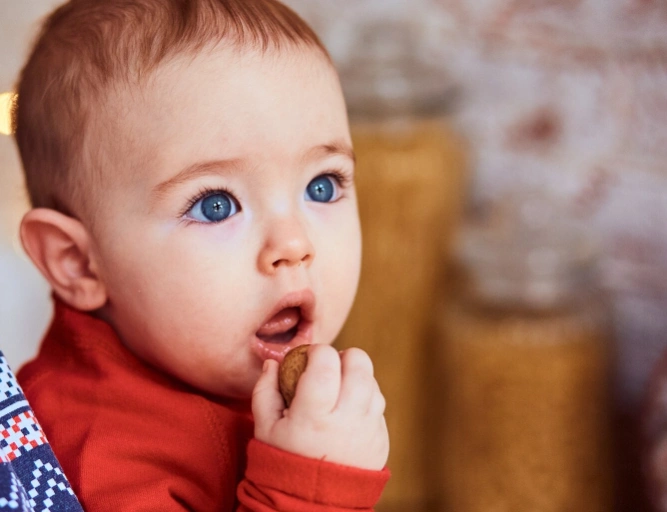
In case of a great deal of pain onset, consider the following steps to help your baby overcome the uncomfortable teething phases:
Approved by the Medical Profession Options:
💊 Infant Pain Relievers: Acetaminophen or ibuprofen (only with your doctor’s permission) can be used in the most intense teething incidents, particularly at nighttime.
🌙 Calming Night Routines: Nighttime is when the pain that comes with teething can be particularly intense. Thus, it would be most advisable to develop a schedule, which includes peeling, the most cozy songs, and rocking.
👩⚕️ Consult a Pediatric Dentist: It would be wise when the gums are obviously very swollen and/or the symptoms of the infection are recognized, that you give the doctor’s office a call to make an appointment with him.
🦷 Start Early Dental Care: It is the first period of visiting the dentist that starts our journey of preventing any problem from growing, along with better monitoring of the dental development, which makes those visits very beneficial.
FAQ: Teething Pain in Babies
The most common early signs are drooling, gum swelling, irritability, and a strong urge to bite or chew everything in sight.
Each tooth can cause discomfort for 3 to 5 days, and since teeth erupt one after another, the full process can last up to two years.
Cold teethers, gum massages, and (if necessary) infant acetaminophen or ibuprofen — but always check with your pediatrician first.
Mild temperature rise is possible, but true fever (over 38°C / 100.4°F) or diarrhea are usually signs of something else, not teething.
The first dental visit should happen by your baby’s first birthday or within 6 months after the first tooth erupts — whichever comes first.