Besides teeth polishing that is usually seen as a part of the beautification of the teeth and the finishing touch of the cleaning the dentist has done to you, it is still the most essential step in the whole process of the preservation of the teeth’ health and the smile’s beauty. The teeth polishing procedure will significantly change your situation whether you have surface stains or you like the ultra-smooth and fresh feeling from the dentist.
Polishing teeth might be that one thing that you are missing and can make all the difference. It is the aim of this blog to acquaint you with all the facets of teeth polishing, such as the procedure, the effects, and the frequency necessary to get it done.
What Is Teeth Polishing and What Does It Involve?
Polishing of teeth is a dental procedure done without any damage to the soft tissues where superficial stains are removed and dental enamel is left with a shiny surface after a dental cleaning. Teeth polishing, unlike deep cleaning or scaling, is a final stage of the treatment that does not go deep in the treatment of any type of gum disease but on the other hand, it leaves your teeth clean and with that attractive gloss that you can see and feel.
A rotating rubber cup and a mildly gritty polishing paste are usually the instruments used by dentists for this procedure. Essentially, these are the instruments the dentist uses to gently polish the surfaces of the teeth. In some cases, an air-polishing system is used to achieve a faster and more efficient polishing result.
This system works by spraying a mixture of water and powder on the area being treated. Teeth polishing is a quick, agreeable, and high-quality hygiene practice when it is done regularly.
Benefits of Teeth Polishing for Your Oral Health and Appearance
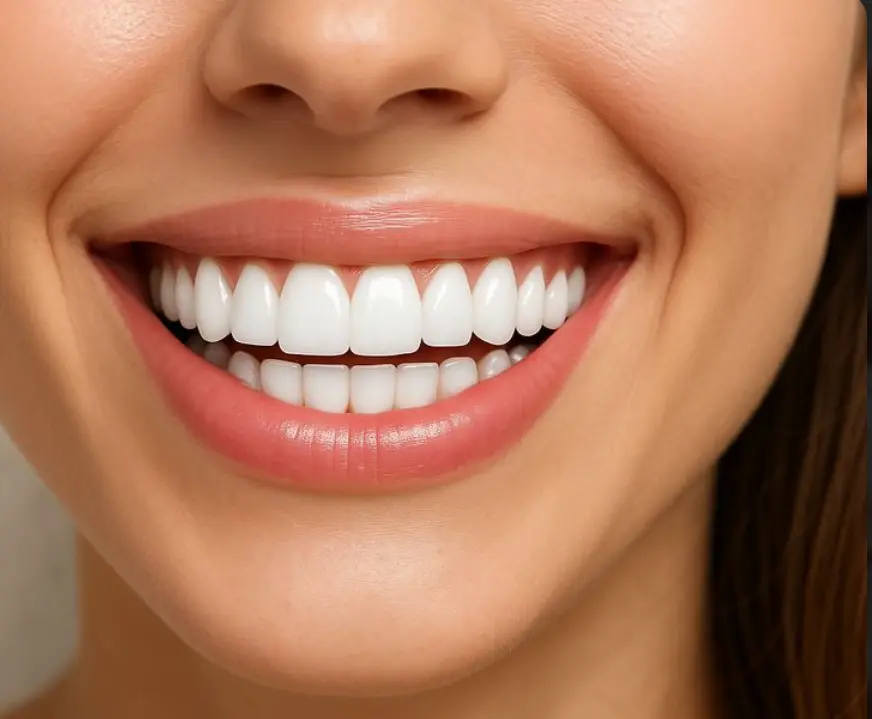
There are some advantages that teeth polishing can give over and above the improvement of one’s aesthetic aspect. The main thing that teeth polishing does is lightening the surface stains that are caused by foods, drinks, or smoking and thus the teeth get whitened and look more even. Albeit it does not bleach the teeth as a whitening procedure does, it can be a significant factor toward the smile’s brightness.
Secondly, teeth polishing by removing the rough spots on the enamel makes it less likely that plaque and tartar will build up, thus ensuring gum health over time. The polished surfaces also make brushing and flossing more effective for patients at home. Moreover, a lot of patients also like the fresh, minty taste and the cool, ultra-clean feeling after the treatment.
How Often Should You Get Teeth Polishing Done?
Normally the recommendation of most dentists is that teeth polishing should be performed twice a year, in connection with the routine dental check-up and cleaning. Such timing allows the dental team to disengage the minor stains and the buildup of the deposits before they get a serious nature.
The truth is, however, the best timing of teeth polishing may be different depending on the habits of the individual. For instance, if you are a heavy coffee, red wine drinker, and smoker, the dentist may recommend that you undergo a teeth polishing procedure more frequently so you keep the smile bright and fresh.
Teeth Polishing vs. Teeth Whitening: What’s the Difference?
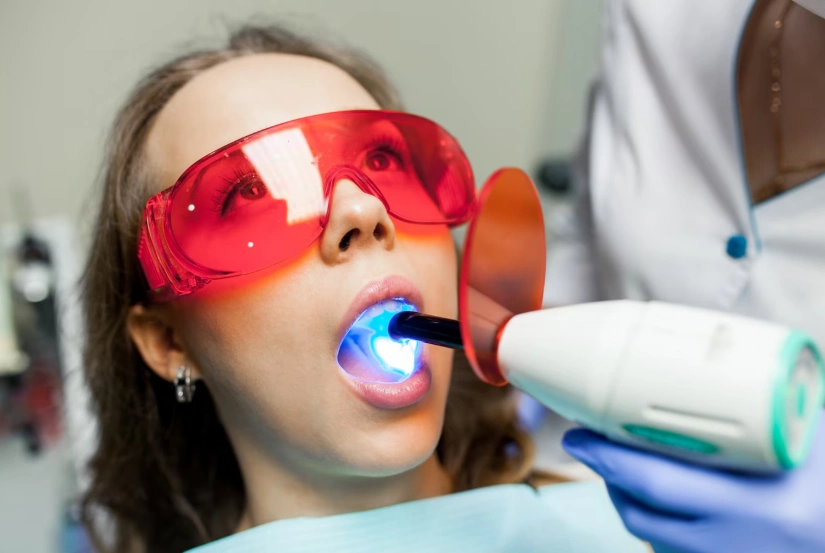
The typical error that people make is that they see the procedure of teeth polishing as the same one as teeth whitening. The truth is that these are separate treatments. Teeth polishing is a treatment through which the staining that has been formed on the teeth is removed and the teeth are made smoother and cleaner, however, the color of the teeth is not changed.
At the same time, teeth whitening is a method in which the application of bleaching agents to the teeth is done to reach a lighter shade of the teeth. If you just want to refresh your look, for example, before a big day or as a part of your daily oral hygiene routine, then teeth polishing might be the appropriate solution for you.
However, if you want to brighten your teeth by a few shades, then professional and home teeth whitening along with other cosmetic dental procedures might be more suitable for you. Usually, dentists perform the polishing procedure first as a preparation for the easy and effective whitening procedure later on.
Does Teeth Polishing Have Any Side Effects?
Teeth polishing is a very safe procedure when a professional dentist or hygienist does it. But, over-polishing, mainly with abrasive pastes or high-speed tools, has been a cause of enamel being worn down gradually if the treatment has been repeated too often or done too harshly.
This is the reason why new dental offices opt for a more gentle polishing method using low-abrasion materials so that they can still get a nice shine and at the same time protect the enamel. In case you suffer from sensitive teeth and enamel thinning, your dentist will likely suggest that you use a gentle paste for polishing and also protect your oral health by reducing the frequency of the procedure.
FAQs About Teeth Polishing
Yes, brushing is the main part of daily hygiene and cleaning routine and it’s teeth polishing that takes away surface stains and makes enamel shiny even if it is brushing that’s already done.
It can be a great tool, especially if it is used together with the process of scaling as the plaque and bacteria that cause bad breath are eliminated.
Of course, if done professionally, teeth polishing is absolutely safe and it does not damage the enamel.
Teeth polishing eliminates superficial stains, consequently it may give the teeth a brighter appearance, however such a procedure is not a bleaching of the teeth as the whitening treatments are.
The smooth, clean feeling can stay several weeks, but it is your oral hygiene and way of life that determine the duration of the time.