


Make denture adhesive stick better by using clean, dry dentures and only a small amount.
This is a scene that unfolds in our clinic nearly every day. A patient, worn out and disheartened, is quietly sitting in the dental chair. They clutch a tube of adhesive and wonder why their teeth do not stay put no matter what. They talk about how they have stopped eating apples and how family dinners make them feel embarrassed. They mention that they deeply dislike the bad, metallic flavor of the leaking paste.
If you have landed on this page, you are undoubtedly in a struggle with the same issue. You long for a solution on how to make your denture adhesive hold stronger and last throughout the day. While we can certainly help you solve this problem, it is also a good idea to peek at the other side – your mouth. Let’s understand what is going on with you and why the paste keeps disappointing you.
The fact is that we are a group of dental professionals dedicated to the field of advanced dentistry. It is our mission and commitment to provide you with immediate comfort and relaxation. But we also want to accompany you on a way of living that will be sustainable and offer you a solution for good.
Clinical Recommendations: Turn Your Denture Adhesive Into a Power Tool
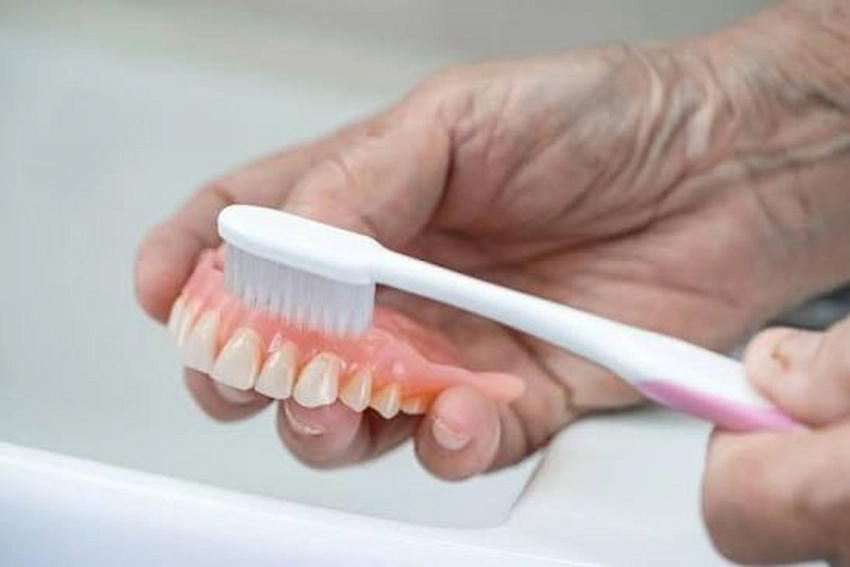
In the event that you don’t have an alternative and have to use the adhesives, then the way you use them and your commitment to the method of application is what will make the biggest difference. The great majority of patients simply use way too much paste and put it in the wrong places as well. As if that is not enough, many of them completely forget to do the surface preparation.
- 1. Dry Surfaces are Required: If the surfaces are wet, the adhesive will not be able to do its job at that moment. Both your gums and the denture must be cleaned and dried thoroughly before you put on the adhesive that is still fresh and sticky. For example, when sticking a poster on the wall, if the wall is wet and shiny, the poster will fall off. In the same way, a wet denture will not stick well. Use a clean towel to dry the denture.
- 2. Use Small Dots, Not Long Strips: A typical mistake is to squeeze a long, thick line of paste. This will not only make a mess but also break the suction seal. The more effective method is to use three to four small, approximately pea-sized dots instead. As you bring your teeth together, the small dots of paste will get pushed out and create a thin, tough layer.
- 3. Use Warm Water: When the paste is warm, it adheres better. Hold your denture in place and gently press your teeth together for 30 seconds. After that, have a little warm water. Swish the water in the mouth. The warmth will help the adhesive to set more quickly.
Looking into the Effects of Bone Loss and the Perils of Zinc
Still the question: is it really a good idea to keep piling on the glue?
What’s Common is that most denture adhesives available in the market resort to zinc to ensure their extra-strong grasp. Obviously, small quantities of zinc are harmless. However, long-term overexposure can develop health issues such as zinc poisoning that can induce nerve damage, numbness, and joint pain.
Besides possible chemical damage, there is a simple physical factor that comes into play here. A person’s jawbone can be compared to the solid concrete foundation of a house. When natural teeth are lost, the body realizes that the “building supports” have disappeared. It then starts to resorb the bone. This phenomenon is termed bone loss. While your jawbone is continually diminishing, that hard plastic denture you wear remains the same size. The gap is getting bigger. No matter how much glue you use, it will never be able to solve the problem of a gap that gets bigger every month.
Escape the Glue and Get Permanent Relief at Lema Dental Clinic
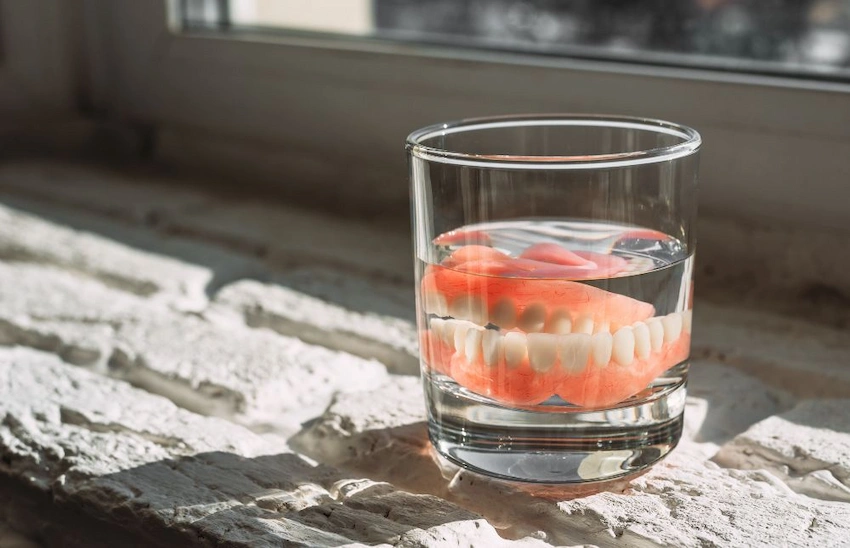
Till today, in our practice at Lema Dental Clinic in Istanbul, Turkey, dentures and paste are for us no more than a temporary cover-up, a band-aid.
Professor Doctor Coşkun Yıldız is one of the leaders of the clinic. He says, “Most of the time, we cannot rely on paste alone to fight human biology. Instead, we have to restore original anatomy.” So our clinic mainly deals with advanced implants. Among those implant systems, we have All-on-4, All-on-6, and Zygomatic. Our titanium roots are directly inserted into the jaw. The first day already shows the long bone loss.”
Dentist Polen Akkılıç and her team support and instruct patients in the transition from messy adhesives to permanent, screw-in Zirconium implants – basically a Zirconium bridge.
Comparing clinical outcomes: Paste vs. Permanent Implants
| Point of Comparison | Dentures + Adhesive | Permanent Zirconium Implants |
| Daily Care | Take out, soak, clean paste. | Brush and floss as with regular teeth. |
| Chewing Power | Only 20 – 30% of your natural bite. | Up to 100% of your natural bite. |
| Jawbone Health | Deteriorates jawbone. | Preserves and supports jawbone. |
| Health Risks | Zinc poisoning risk with excessive paste use. | Biocompatible titanium and Zirconium. |
| Food Restrictions | Tough meats, sticky candies, and hard foods are off limits. | Eat anything you want, even steak and crisp apples. |
Frequently Asked Questions
Why does my lower denture always move?
There is a big difference between the lower and the upper jaw. The upper denture is supported by a large surface area – the palate and upper teeth are covered, creating a big suction cup effect. The lower alveolar ridge is very narrow,w and in addition to this, the tongue is a powerful muscle that can easily push the plastic out of the way. This is why we very often recommend two implants for the lower jaw to firmly hold the denture in place.
Can I just apply more adhesive to make it tighter?
No! Please don’t do it, as I already understand your wish for a tighter fit. Extra paste will not only cause the suction seal to be broken but at the same time lead to a higher risk of being poisoned by zinc. In case that more than three small dots of paste are required, this means your dentures no longer match your gums and that you are the one who needs a quick clinic visit or will be scheduled for an implant check.
How can I understand when the best time to switch to implants is?
Think of what gives you happiness in your daily life. Are you eating soft soups while dreaming of a steak? Are you afraid to laugh loudly with friends? When your teeth are controlling your life and diet, then a new life is needed. We rebuild your smile right here in Turkey.
What does the All-on-4 treatment in Turkey entail?
You will have a life-changing experience during your stay with us. We will do everything so that you are totally numb and completely relaxed. You will have 4 implants and fixed, temporary teeth installed on the same day. Also,the day when you can have teeth that do not move will be the day you leave. After your jawbone has healed,d a few months later you will come for your final, beautiful Zirconium teeth.
Is there any chance that these new Zirconium teeth will not feel right?
Certainly not. A conventional denture, as you probably know, is a huge sheet of plastic that covers your mouth. On the other hand, Zirconium bridges look like real teeth, and they also function in the same way. We don’t cover the roof of your mouth with the bridge. You will be able to taste the food and feel what is hot or cold again.
Academic References
- Albrektsson, T., & Donos, N. (2012). Implant survival and complications. The International Journal of Oral & Maxillofacial Implants, 27(Suppl), 11-25.
- Carlsson, G. E. (2014). Responses of jawbone to changing functional forces: clinical implications. Journal of the American Dental Association, 145(5), 441-447.
- Felton, D. A. (2009). Edentulism and comorbid factors. Journal of Prosthodontics, 18(2), 88-96.
- Hedegård, B. (1982). Bone resorption and the use of denture adhesives. Journal of Prosthetic Dentistry, 48(6), 637-640.
- Singh, S., & Sharma, A. (2015). Zinc toxicity from chronic overuse of denture adhesives: A clinical review. Journal of Clinical Toxicology, 5(2), 1-6.

