

Adesivo protesi: migliore aderenza, stop scivolamento
Fai aderire meglio l'adesivo per protesi utilizzando protesi pulite e asciutte e solo una piccola quantità.
Questa è una scena che si svolge nella nostra clinica quasi ogni giorno. Un paziente, esausto e scoraggiato, è seduto in silenzio sulla poltrona del dentista. Stringe un tubetto di adesivo e si chiede perché i suoi denti non rimangano fermi a prescindere da tutto. Parla di come abbia smesso di mangiare mele e di come le cene in famiglia lo facciano sentire in imbarazzo. Menziona di detestare profondamente il sapore cattivo e metallico della pasta che fuoriesce. Se sei approdato su questa pagina, sei senza dubbio alle prese con lo stesso problema. Desideri ardentemente una soluzione su come far sì che la tua adesivo per protesi dentarie aderisca più saldamente e duri tutto il giorno. Anche se possiamo certamente aiutarti a risolvere questo problema, è anche una buona idea dare un'occhiata all'altro lato: la tua bocca. Cerchiamo di capire cosa ti sta succedendo e perché la pasta continua a deluderti. Il fatto è che siamo un gruppo di professionisti del settore dentale dedicati al campo dell'odontoiatria avanzata. È nostra missione e impegno fornirti comfort e relax immediati. Ma vogliamo anche accompagnarti verso uno stile di vita sostenibile e offrirti una soluzione definitiva.Raccomandazioni Cliniche: Trasforma il Tuo Adesivo per Protesi in uno Strumento Potente
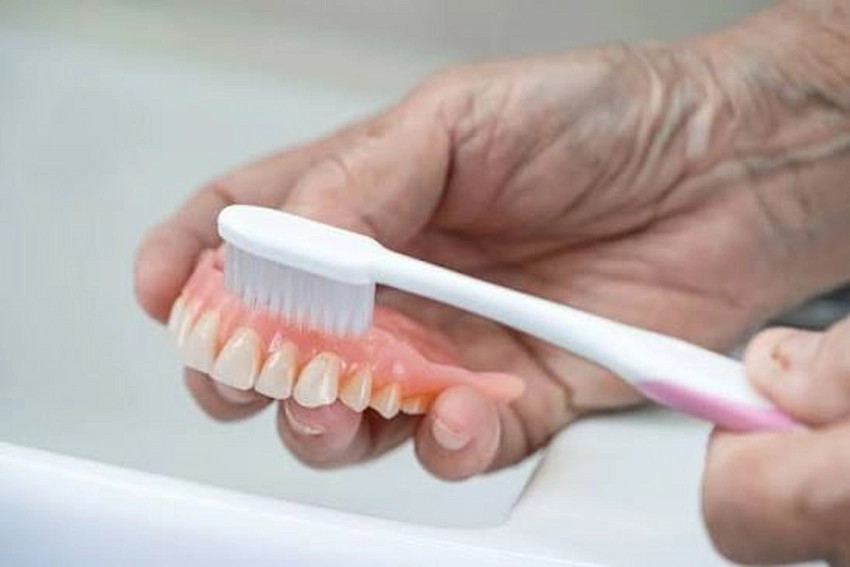
- 1. Superfici Asciutte Sono Necessarie: Se le superfici sono bagnate, l'adesivo non sarà in grado di svolgere il suo lavoro in quel momento. Sia le gengive che la protesi devono essere pulite e asciugate accuratamente prima di applicare l'adesivo ancora fresco e appiccicoso. Ad esempio, quando si attacca un poster al muro, se il muro è bagnato e lucido, il poster cadrà. Allo stesso modo, una protesi bagnata non aderirà bene. Usa un asciugamano pulito per asciugare la protesi.
- 2. Usa Piccoli Punti, Non Lunghe Strisce: Un errore tipico è spremere una linea lunga e spessa di pasta. Questo non solo creerà disordine, ma romperà anche il sigillo di aspirazione. Il metodo più efficace è usare invece tre o quattro piccoli punti, delle dimensioni di un pisello. Quando stringerai i denti, i piccoli punti di pasta verranno spinti fuori e creeranno uno strato sottile e resistente.
- 3. Usa Acqua Tiepida: Quando la pasta è tiepida, aderisce meglio. Tieni la protesi in posizione e premi delicatamente i denti insieme per 30 secondi. Dopodiché, bevi un po' d'acqua tiepida. Sciacqua la bocca con l'acqua. Il calore aiuterà l'adesivo a fissarsi più rapidamente.
Analisi degli Effetti della Perdita Ossea e dei Pericoli dello Zinco
Resta la domanda: è davvero una buona idea continuare ad accumulare colla? È comune che la maggior parte degli adesivi per protesi disponibili sul mercato ricorrano allo zinco per garantire una presa extra-forte. Ovviamente, piccole quantità di zinco sono innocue. Tuttavia, una sovraesposizione a lungo termine può sviluppare problemi di salute come l'intossicazione da zinco che può indurre danni ai nervi, intorpidimento e dolori articolari. Oltre a possibili danni chimici, qui entra in gioco un semplice fattore fisico. L'osso mascellare di una persona può essere paragonato alle solide fondamenta in cemento di una casa. Quando i denti naturali vengono persi, il corpo si rende conto che i "supporti dell'edificio" sono scomparsi. Inizia quindi a riassorbire l'osso. Questo fenomeno è chiamato perdita ossea. Mentre il tuo osso mascellare diminuisce continuamente, quella protesi in plastica dura che indossi rimane della stessa dimensione. Lo spazio si sta allargando. Non importa quanta colla tu usi, non sarà mai in grado di risolvere il problema di uno spazio che si allarga ogni mese.Liberati dalla Colla e Ottieni un Sollievo Permanente presso la Lema Dental Clinic
Confronto dei risultati clinici: Pasta vs. Impianti Permanenti
| Punto di Confronto | Protesi + Adesivo | Impianti Permanenti in Zirconio |
| Cura Quotidiana | Rimuovere, immergere, pulire la pasta. | Spazzolare e usare il filo interdentale come con i denti naturali. |
| Potere Masticatorio | Solo il 20 - 30% della tua masticazione naturale. | Fino al 100% della tua masticazione naturale. |
| Salute dell'Osso Mascellare | Deteriora l'osso mascellare. | Preserva e supporta l'osso mascellare. |
| Rischi per la Salute | Rischio di intossicazione da zinco con uso eccessivo di pasta. | Titanio e Zirconio biocompatibili. |
| Restrizioni Alimentari | Carni dure, caramelle appiccicose e cibi duri sono vietati. | Mangia tutto quello che vuoi, anche bistecche e mele croccanti. |
Domande Frequenti
Riferimenti Accademici
- Albrektsson, T., & Donos, N. (2012). Implant survival and complications. The International Journal of Oral & Maxillofacial Implants, 27(Suppl), 11-25.
- Carlsson, G. E. (2014). Responses of jawbone to changing functional forces: clinical implications. Journal of the American Dental Association, 145(5), 441-447.
- Felton, D. A. (2009). Edentulism and comorbid factors. Journal of Prosthodontics, 18(2), 88-96.
- Hedegård, B. (1982). Bone resorption and the use of denture adhesives. Journal of Prosthetic Dentistry, 48(6), 637-640.
- Singh, S., & Sharma, A. (2015). Zinc toxicity from chronic overuse of denture adhesives: A clinical review. Journal of Clinical Toxicology, 5(2), 1-6.
Domande frequenti
Why does my lower denture always move?
There is a big difference between the lower and the upper jaw. The upper denture is supported by a large surface area - the palate and upper teeth are covered, creating a big suction cup effect. The lower alveolar ridge is very narrow,w and in addition to this, the tongue is a powerful muscle that can easily push the plastic out of the way. This is why we very often recommend two implants for the lower jaw to firmly hold the denture in place.
Can I just apply more adhesive to make it tighter?
No! Please don't do it, as I already understand your wish for a tighter fit. Extra paste will not only cause the suction seal to be broken but at the same time lead to a higher risk of being poisoned by zinc. In case that more than three small dots of paste are required, this means your dentures no longer match your gums and that you are the one who needs a quick clinic visit or will be scheduled for an implant check.
How can I understand when the best time to switch to implants is?
Think of what gives you happiness in your daily life. Are you eating soft soups while dreaming of a steak? Are you afraid to laugh loudly with friends? When your teeth are controlling your life and diet, then a new life is needed. We rebuild your smile right here in Turkey.
What does the All-on-4 treatment in Turkey entail?
You will have a life-changing experience during your stay with us. We will do everything so that you are totally numb and completely relaxed. You will have 4 implants and fixed, temporary teeth installed on the same day. Also,the day when you can have teeth that do not move will be the day you leave. After your jawbone has healed,d a few months later you will come for your final, beautiful Zirconium teeth.
Is there any chance that these new Zirconium teeth will not feel right?
Certainly not. A conventional denture, as you probably know, is a huge sheet of plastic that covers your mouth. On the other hand, Zirconium bridges look like real teeth, and they also function in the same way. We don't cover the roof of your mouth with the bridge. You will be able to taste the food and feel what is hot or cold again.