


How to Improve Gum Health Quickly?
If that is what you seriously want, supporting gum health requires you to treat the area properly as well as be cautious of gingivitis that is a disease caused by plaque bacteria. The fastest method to gain such a beneficial effect is brushing your teeth with fluoride toothpaste twice daily and using soft and circular motions for brushing. Moreover, bleeding and swelling should stop the use of brushes with hard bristles. Proper cleaning will remove plaque, a bacteria film from which the gum inflammation is developed as a result, to thus prevent gingivae to become inflamed once again. For example, persons with both conditions, i.e., bleeding, and swelling of the gums, should neither use a hard toothbrush nor exert force while brushing because abrasions may happen; thus, the symptoms become unfolded. Fluoride in the toothpaste will bring remineralization of the enamel and decays will be prevented, hence, gum health will be supported indirectly through fewer possible complications.
Flossing should unquestionably be the other indispensable factor in one’s oral hygiene routine that has to be integrated if one is looking for the quickest way to improve gum health since only it can get to all the food particles and plaque that have mingled in between the teeth and along the gum line, which is a zone where the toothbrush is not able to reach. The majority of people only emphasize the necessity of the flossing step and at the same time they completely ignore its carrying out; however, flossing is a vital means of keeping clean those places that are difficult to reach for both the brush and the fingers.
Over time tartar, a source of gingival inflammations, will be formed on the teeth, and this can be removed only through dental cleaning. If you have made flossing your daily routine, the place for tartar deposits will be eliminated since you are supplying the gums with the best condition possible. Besides, an antimicrobial mouthwash like chlorhexidine or other essential oil might be used as a supportive barrier against oral bacteria; thus, the mouth is less susceptible to gum diseases, and the healing process is quicker. The situation can be improved only through prevention and treatment in the early stages.
For getting the chances fixed, it is really necessary to have the dentist’s appointment not only for the continuance of your treatment but mainly so as to diagnose cases that are still in their first stage and can become worse.
Key Practices for Gum Health Improvement:
- Brushing: Brushing of teeth has to be done twice a day with fluoride toothpaste and a toothbrush with soft bristles. Moreover, brushing should be done in a gentle manner and the brushes should be rotated in circular movements.
- Flossing: Flossing has to be done daily and the floss should be moved gently back and forth and the part of the teeth in the area should be cleaned.
- Mouthwash: Put a measure of an antimicrobial mouthwash in your mouth to help reduce the bacteria that exist in your mouth, and so that the gums can be at ease.
- Diet that Keeps the Gums Healthy: Eat foods that are rich in vitamin C, calcium, and antioxidants
The Negative Effects of Malnutrition on Gum Health

One of the worst aspects of malnutrition is its influence on the oral cavity or, to be more precise, the gums. Vitamin C is one of the first things the gums should get. The production of collagen, which is the main factor that gives structure and strength to gum tissue, depends on that vitamin. Collagen is one of the components of the connective tissue that supports your gums, and in case you lack Vitamin C, this tissue gets less strong and can have more swelling and bleeding.
Shortage of vitamin C can end up with scurvy that is defined as swelling of the gums, bleeding from there, loosening of teeth, and lowered resistance of the body’s defense system. Scurvy is a stage of very long Vitamin C deficiency and is quite easily prevented by eating fruits and vegetables like oranges, strawberries, and peppers.
Apart from vitamin C, calcium is necessary for the health of the both teeth and the gums. Calcium is responsible for the bones that hold the roots of our teeth to be strong and if it is missing, these bones may lose their strength and cause both the recession of gums and the loss of teeth. Mostly dairy products, vegetables like kale, and non-dairy products that have been fortified with minerals and vitamins are the best sources of calcium.
Moreover, vitamin D is quite essential, and the body cannot absorb calcium without it. Protein is also the most necessary, without which the performance of tissue repair is impossible because it is the major factor of regeneration of injured gum tissue. Lack of proper protein intake will make the body unable to repair gum tissue after the injury or infection, thus causing the gums to be not healed properly. This combination of nutrients, vitamins, and minerals from a well-balanced and nutrient-rich diet is the basis of healthy gums and the stopping of gum diseases.
Essential nutrients for healthy gums:
- Vitamin C: Supports the processes of the gum tissues, serves as the primary source of support through the healing process
- Calcium: Necessary not only for healthy gums but also for strong bones, it impedes gum recession
- Vitamin D: Facilitates calcium absorption and keeps the health of the skeletal system
- Protein: The rebuilding of the tissue becomes more efficient and the damaged gums restore their growth with the help of protein
Can Gum Health Be Restored?
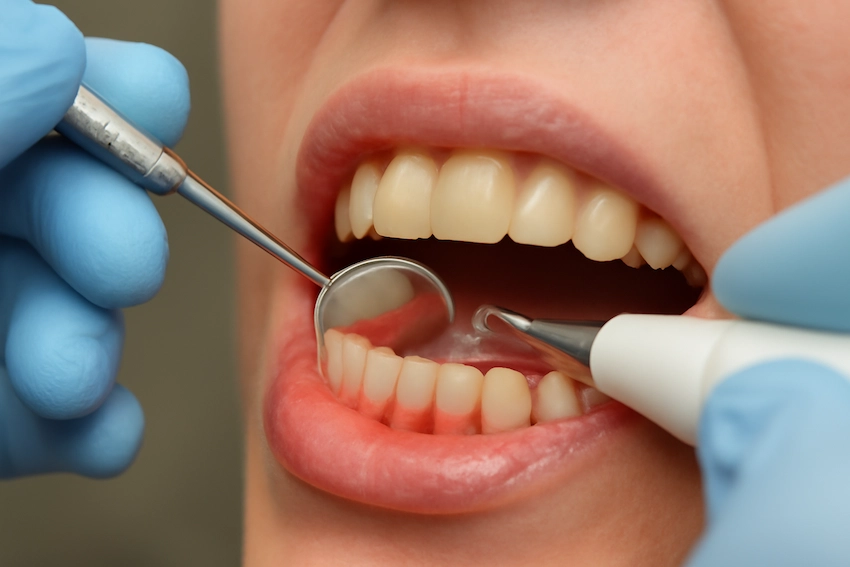
Definitely, the health of gums may be rescued, but the revival journey is subject to the extent and stage of the gum disease. Gums not only bleed but become red and swollen when gingivitis or the early stages of gum disease occur. Luckily, the earlier treatment for gingivitis is the correction of oral hygiene that should include brushing twice daily, dental floss, and using an antimicrobial mouthwash. It can thus be cured before turning into a more severe form of gum disease, such as periodontitis. The cleanings done by a dentist are also important as they help get rid of the plaque and tartar which may be accumulated below the gumline without considering home care.
But if the situation is such that gum disease has progressed to periodontitis, a condition in which the infection has spread to the deep tissues and the bone that supports the teeth has been affected, then the restoration would be more complicated. In these situations, scaling and root planing (deep cleaning) are usually done to eliminate bacteria and tartar from the root surfaces of the teeth. In some instances, surgery like gum grafts or flap surgery might be the only way to recover destroyed gum tissue and bone. These treatments not just aid in the restoration of gum health but also stop the program of damage or loss of teeth. The most important step in getting back gum health is early treatment. By correct care, the suitable professional treatments, and good at-home oral hygiene, gums can repair and work normally once more.
Steps for Restoring Gum Health:
- Mild Gingivitis: Basically you have to do brushing and flossing daily, professional cleanings every 3-6 months.
- Periodontitis: The treatment of this disease includes deep cleaning (scaling and root planing) and if the condition is severe enough, surgery.
- Healthy Habits: The importance of the patient’s role in the continuation of good oral care and the intake of nutritional supplements for the maintenance of recovery cannot be ignored.
- Ongoing Maintenance: Regular dental visits for monitoring gum health and early detection of recurrence
What Foods Improve Gum Health?
Gums that are healthy need to be nurtured through feeding, what is more, can be ingested through the foods we consume. They must be rich in essential nutrients and not only should they strengthen the gum tissue but also prevent the inflammation process to occur. Some foods contain lots of vitamin C such as oranges, strawberries, and broccoli; those foods are very important for the health of the gums because vitamin C elevates collagen synthesis, which leads to the production of collagen for soft and elastic gum tissue. Collagen are what give the tissue of gum its structural integrity, and without enough amounts of Vitamin C, gums become more prone to bleeding and getting infections.
Calcium is one more very important nutrient that not only supports the health of gums but also keeps the stability of the bones that are around the teeth. Cheese, calcium-fortified milk, and dark green vegetables like spinach and kale are some of the powerful sources of Calcium. The nutrients work to maintain both the strength and the density of the bones around the teeth and gums roots. Furthermore, Omega-3 fatty acids that come from fatty fish like salmon, mackerel as well as plant sources like flaxseeds and walnuts are also one of the main nutrients that contribute to a decrease in gum inflammation. Omega-3s are armed with anti-inflammatory properties, which aid in the elimination of the swelling and for kitten bleeding of the gums.
Gingivitis Fixing Foods, Healthy Gums:
Vitamin C is one of the vitamins that might make miracles in your gums. Various types of food, which are fortified with this vitamin such as oranges, strawberries, bell pepper, and kale, can offer a lot of assistance in that matter.
Calcium is just a single mineral among the required ones, which, if provided in the appropriate amount, would contribute to the healthy gums keeping. The best sources of this mineral are milk and cheese as well as other dairy products, vegetables, and calcium-fortified soy milk.
Foods That Should Not Be Eaten If One Desires Healthy Gums:
- Sugary foods and drinks: Along with plaque, they also induce the inflammation of the gums.
- Acidic foods: They can remove enamel and at the same time cause the gums to become irritated.
- Sticky foods: Due to their ability to stick to teeth and gums, they allow for plaque to be grown
What Are Bleeding Gums and What Causes Them?
Bleeding gums are a symptom and among the signs that in some cases may refer to gum disease. Usually, this is the result of plaque buildup at the gum line. Plaque is bacteria film that develops on teeth and gums. In case that plaque is not properly removed by brushing and flossing, the bacteria in plaque will lead to an inflammation of the gums called gingivitis. At this point, when one tries to get rid of the disease, bleeding from the infected gums during brushing and flossing can be felt. Gingivitis is the first stage of gum infection, which is mainly regressive with the improvement of oral hygiene. The matter will become worse if the infection is allowed to progress, then gingivitis will turn into periodontitis, which is more severe than the initial one and includes infection in the gum tissues and bone that holds the teeth farther.
Moreover, bleeding gums may be the aftermath of different conditions that comprise of hormonal changes such as pregnancy, menstrual period, or menopause that make the gums more sensitive and therefore an easier bleeding. The use of certain drugs like blood thinners is another cause of bleeding gums. Additionally, along with that, smoking, bad eating habits, and certain health problems like diabetes are the causes that lead to bleeding gums. Oral-hygiene is the main condition that is responsible for keeping the risk at the lowest level; nevertheless, a person should also consider smoking and any health issue in order that the bleeding gums do not occur as a problem later on.
The Daily Care Routine You Should Follow to Prevent Bleeding Gums
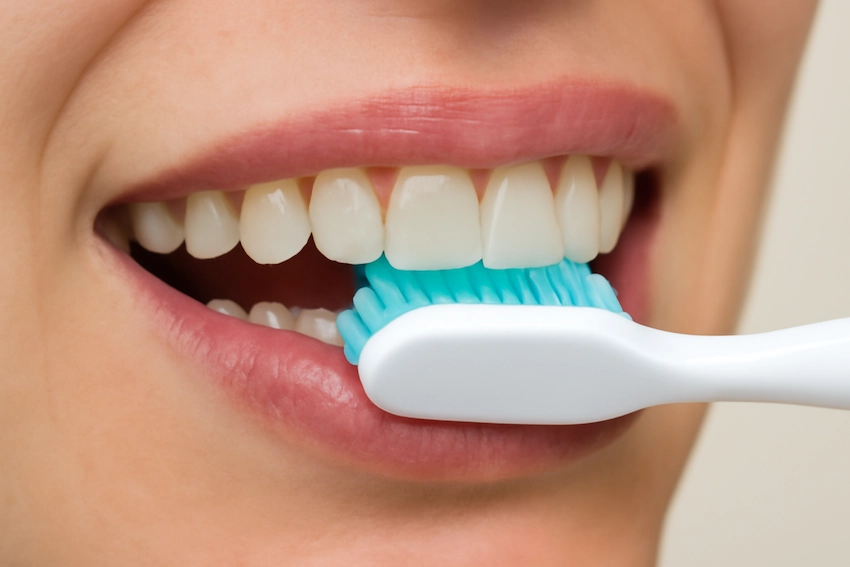
Resistance to bleeding gums will happen if you daily establish an oral care regime that you will surely not allow not only the brushing but also the use of a proper mouthwash and the gentle flossing, all of which must be done gently. Twice a day every day, use fluoride toothpaste to brush your teeth. Besides that, dental floss will be necessary to get rid of plaque and food leftovers from the teeth as well as the gums.
In brushing, the most proper tool to use is a soft-bristled toothbrush, which will not injure your gums, which, if they are swollen or sensitive, should still be protected. Do the brushing of the front, back, and the part that you chew as well as the area next to the gums where your teeth are. One is allowed to get rid of plaque, which is along the gumline and is one of the main causes of inflammation and bleeding of the gums.
Daily flossing is as necessary and it is the most important procedure in the treatment of bleeding gums.Flossing is a method that gets rid of bacteria and food residues that have been caught in between teeth and under gums, the area where a toothbrush has no access.When you floss, do it gently so that your gums will not be harmed.
If you have a hard time flossing, a floss pick or interdental brushes might be a better choice for you. These products are more manageable and gentler for your gums.Furthermore, a step if you want to go further in breaking the bacteria that are the source of infection in the oral cavity is the use of an antimicrobial mouth rinse after brushing and flossing, thus, you can have a better chance of keeping your gums healthy, and preventing infection.Remember to drink enough water regularly, and stay away from smoking because tobacco is not only a factor of gum diseases but also a cause of slow healing process.
The Effects of Mouthwash on Gum Health
Adding mouthwash to your regular oral care routine is certainly beneficial, particularly when you are a bacterium and plaque producer. It is through the use of such powerful actions as in antimicrobial mouthwashes (e.g., chlorhexidine, cetylpyridinium chloride, essential oils) that the number of the bacteria responsible for periodontitis decrease. Using mouthwash regularly may make the gum and the period of inflammation disappear and also the swelling. Moreover, it will impede bacteria from reproducing there. Some formulations of mouthwash are combining fluorides that help the remineralization of dental enamel and prevent dental caries, in addition, the primary source of oral health.
For sure, the potency of mouthwash is the very first thing from a product that will fit you and your requirements. There are instances where alcohol-based mouthwashes may lead to a dry mouth and thus cause a minor burning sensation which is one of the reasons that users of sensitive gums are getting irritated when they try to use them. In this case, it is mainly advised that those with inflamed and swollen gums use a mouthwash without alcohol.We should all understand that mouthwash is to be used along with brushing and flossing, as part of the oral hygiene routine, not a replacement. The combination of mouthwashing, brushing, and flossing is very effective in making the gums strong and protecting from gingivitis and periodontitis.
Comparison of Common Mouthwashes and Their Benefits
| Mouthwash Type | Active Ingredient | Key Benefits | Recommended For |
| Antibacterial | Chlorhexidine | Reduces plaque and bacteria, prevents gum disease | Gum disease prevention |
| Fluoride Mouthwash | Sodium Fluoride | Helps remineralize teeth, reduces tooth decay | Preventing cavities and tooth decay |
| Herbal Mouthwash | Essential Oils (e.g., Tea Tree, Eucalyptus) | Natural anti-inflammatory, reduces gum swelling and bleeding | Sensitive gums and inflammation |
| Alcohol-free Mouthwash | Essential Oils, Zinc | Reduces bacteria without drying out the mouth | Daily oral hygiene for sensitive mouths |
References:
- American Dental Association. (2021). Gum disease: The basics. Retrieved from https://www.ada.org/en/member-center/oral-health-topics/gum-disease
- Centers for Disease Control and Prevention. (2020). Preventing gum disease. Retrieved from https://www.cdc.gov/oralhealth/conditions/gum-disease/index.html
- Mann, J. (2021). The importance of nutrition for gum health. Journal of Clinical Dentistry, 15(2), 22-25. https://doi.org/10.1002/jcd.10567
- National Institutes of Health. (2020). Vitamin C and oral health. National Institute of Dental and Craniofacial Research. Retrieved from https://www.nidcr.nih.gov/health-info/vitamin-c
- Sahota, K., & Doodnauth, M. (2019). Understanding the role of calcium and vitamin D in oral health. Journal of Dental Research, 48(4), 1-10. https://doi.org/10.1177/0022034519852187
- World Health Organization. (2021). Oral health. Retrieved from https://www.who.int/news-room/fact-sheets/detail/oral-health
FAQ: Maintaining Gum Health
Bleeding gums can be prevented by maintaining proper oral hygiene through brushing twice a day with fluoride toothpaste and flossing daily. Additionally, using an antimicrobial mouthwash and visiting your dentist regularly for professional cleanings are essential to prevent plaque buildup and gum disease.
To prevent swollen gums, it is crucial to brush gently with a soft-bristle toothbrush, floss daily, and use a mouthwash that targets bacteria. Avoiding smoking, consuming a balanced diet, and drinking plenty of water also play a role in maintaining gum health.
Protect your gums by practicing good oral hygiene, including regular brushing and flossing. Regular dental checkups, a healthy diet, and avoiding tobacco are also essential for maintaining optimal gum health.
Yes, you can brush swollen gums, but it’s important to be gentle. Use a soft-bristled toothbrush and avoid harsh scrubbing to prevent further irritation.
Vitamins like Vitamin C, Vitamin D, and calcium are essential for maintaining healthy gums. These nutrients support collagen production, strengthen gum tissue, and enhance bone health.
To prevent visible gums, it’s essential to practice good oral hygiene, including regular brushing and flossing. If gum recession occurs, professional treatments like gum grafts may be necessary to restore gum tissue.
Herbal remedies such as aloe vera gel, chamomile tea, and diluted tea tree oil can help soothe swollen gums. However, it’s important to consult with a dentist before using herbal treatments for persistent gum issues.
Gum disease can cause symptoms such as bleeding gums, swollen or tender gums, persistent bad breath, and gum recession. If left untreated, it can lead to tooth loss and other oral health complications.
Flossing helps remove plaque and food particles from between teeth and along the gumline, where a toothbrush can’t reach. Regular flossing prevents gum disease, reduces inflammation, and improves overall gum health.

