

La Verità sulle Nuove Protesi Dentarie e l'Adesivo: Una Guida Clinica
Le nuove protesi potrebbero inizialmente richiedere adesivo, ma l'adattamento e le regolazioni corrette sono fondamentali.
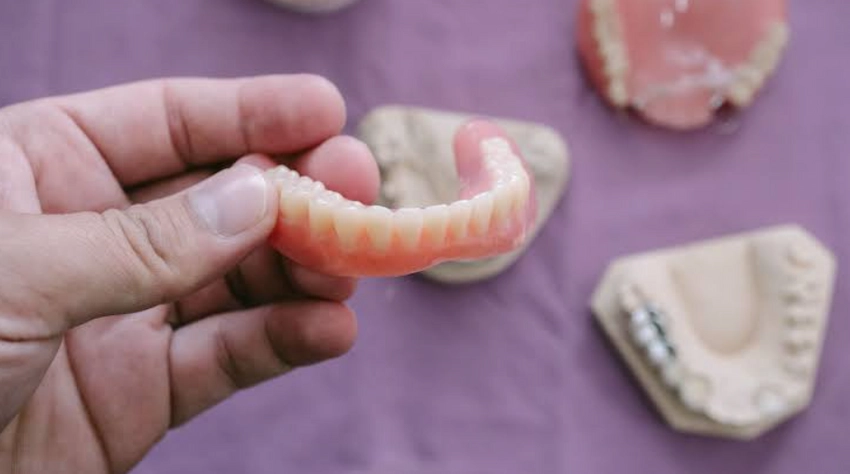
Ricevere le vostre prime protesi dentarie può essere un'esperienza piuttosto emozionante. Vi guardate allo specchio: un set completo di denti sani vi sorride. Ma quasi subito, un'ondata di ansia vi assale. Questi denti continueranno a cadere? Dovrei comprare una polvere adesiva per protesi?La risposta, in breve, è no. Le protesi nuove e perfettamente progettate generalmente non richiedono l'uso di adesivo per rimanere in posizione.
Considerate un abito su misura. Quando le misure sono esattamente quelle giuste, non avete bisogno di indossare una cintura per tenere su i pantaloni. Il vostro nuovo set di denti funziona esattamente allo stesso modo. Di seguito è riportato uno degli scenari tipici che osserviamo nella nostra clinica. Molti pazienti considerano l'adesivo per protesi una parte normale e inevitabile dell'indossare denti finti. In realtà, realizziamo le vostre protesi in modo che si mantengano naturalmente senza l'uso di alcuna colla.L'anatomia di un adattamento perfetto
Le prime settimane: la fase di guarigione
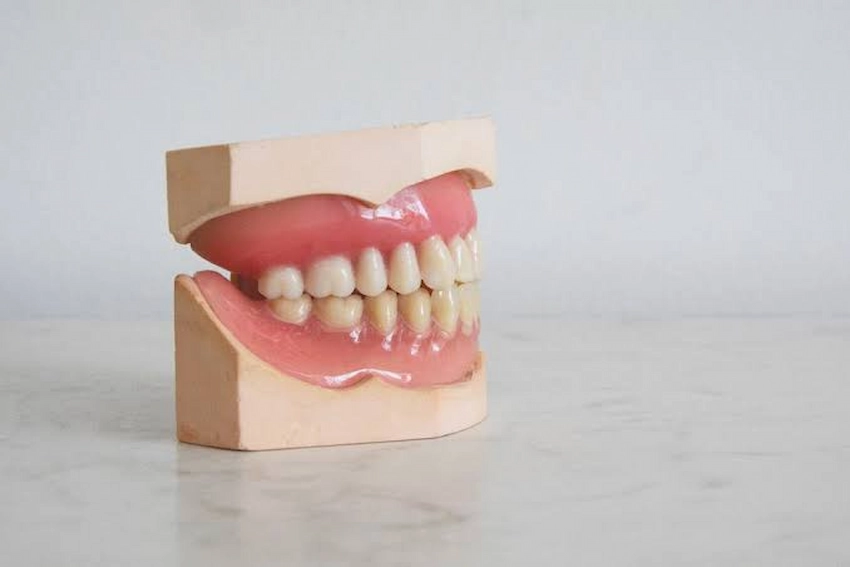
Non dimentichiamo di considerare i primi giorni che trascorrete indossando le vostre protesi a casa. Le gengive sono resistenti ma possono essere facilmente irritate. Tenete presente che il gonfiore gengivale dura solo per un breve periodo. Gli adesivi per protesi non sono una soluzione, ma un modo per aiutarvi a prendere confidenza mentre vi abituate ai vostri nuovi denti. D'altra parte, esagerare con l'uso di adesivi è un errore, poiché potrebbe fare più male che bene. È meglio far regolare le protesi piuttosto che continuare a usare paste per compensare una scarsa aderenza.Quando la colla nasconde un problema più grande
Confronto della stabilità delle protesi
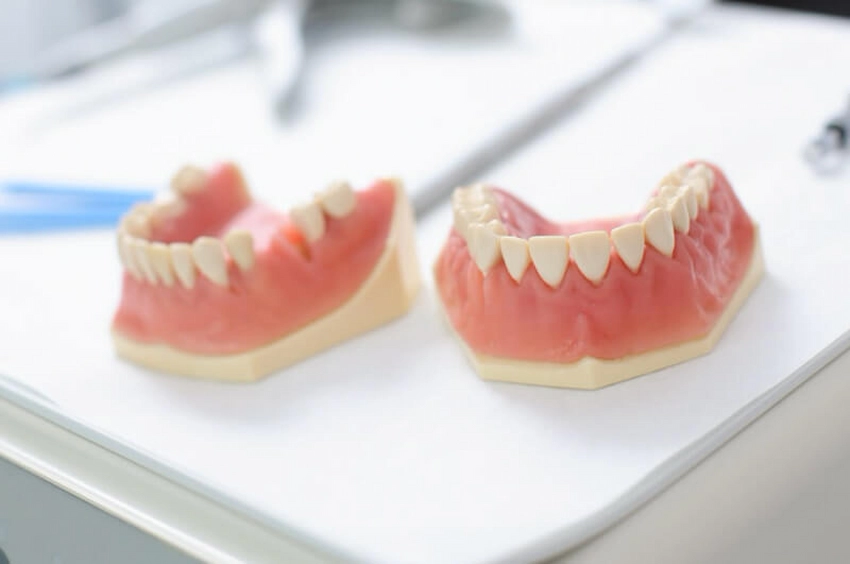
| La vostra situazione attuale | Cosa la causa? | Avete bisogno di adesivo? | Cosa dovreste fare dopo |
| Protesi nuova di zecca (Giorni 1-14) | Apprendimento muscolare, lieve gonfiore gengivale o gengive in guarigione. | Opzionale (solo per una prima sicurezza). | Venite per le visite di controllo per piccole regolazioni dell'adattamento, ecc. |
| Protesi matura ben adattata | Cresta ossea sana e fresatura acrilica precisa. | No. | Continuate con i vostri controlli annuali di routine. |
| Protesi di 5+ anni | Ritiro naturale dell'osso mascellare che cambia la forma della vostra bocca. | Sì, ma è un segnale di allarme. | Richiedete una ribasatura clinica o una nuova protesi. |
| Grave perdita ossea inferiore | Anni di denti mancanti che portano a una cresta mascellare inferiore piatta. | Sì, per lo più ci si affida ad esso. | Esplorate le protesi supportate da impianti (All-on-4). |
Domande Frequenti
Riferimenti Accademici
- Carlsson, G. E. (2014). Responses of jawbone to pressure. Gerodontology, 31(2), 79-85.
- Felton, D. A. (2009). Edentulism and comorbid factors. Journal of Prosthodontics, 18(2), 88-96.
- Grasso, J. E. (2004). Denture adhesives: changing attitudes. Journal of the American Dental Association, 135(1), 81-86.
- Polat, N. T., & Boke, F. (2018). The effect of denture adhesives on the retention of maxillary complete dentures. Journal of Advanced Prosthodontics, 10(4), 273-278.
- Zarb, G. A., Hobkirk, J. A., Eckert, S. E., & Jacob, R. F. (2013). Prosthodontic Treatment for Edentulous Patients: Complete Dentures and Implant-Supported Prostheses (13th ed.). Elsevier Mosby.
Domande frequenti
Is it normal for my new dentures to feel loose when I eat?
Doctor's Answer: Actually, it is very normal. Your mouth and muscles are learning to balance the plate during eating. Start with soft food that requires less chewing and eat on both sides of your mouth. It may not happen at all that the denture lifts. But if it does, you can always come and consult the doctor for modifying and fitting the denture.
Can I use adhesive on the very first day?
Doctor's Answer: I would prefer you not to use adhesive. It is really helpful for you to feel the bare fit of the prosthetic. If the glue covers the thing, you might not be able to locate the pressure or sore points of the plate properly.
Why does my bottom denture float more than the top one?
Doctor's Answer: The top jaw has a wide palate, which serves as a huge suction cup. The bottom jaw, on the other hand, is a narrow ridge, and the tongue keeps fighting against it. Hence, it takes time and effort to work on muscle memory for holding the lower plate.
How much adhesive should I actually use?
Doctor's Answer: Use far less than you can imagine. Place only three small spots—the size of a pea—on the ridge. If you are putting a whole line, and if it comes out from the sides when you push your teeth, then you are using too much.
Will I eventually need implants if I hate using paste?
Doctor's Answer: If your bone keeps shrinking, then traditional dentures will not be able to hold on. Many of our patients in Turkey decide to go for implant-supported dentures to get rid of messy pastes completely and regain full natural biting force.