


Yes, it is safe when performed by trained pediatric professionals.
Medical dental treatment done under general anesthesia for kids is basically safe if a trained pediatric dental and anesthesia team thoroughly plans, performs, and watches over the dental treatment. Nowadays, such medical care in the hospital is carried out according to very strict global standards that primarily emphasize the safety of the respiratory system, the cardiovascular system, effective analgesia, and psychological well-being. Dentist Polen Akkılıç and her team create highly individualized plans to not only reduce the stress of the little patients but also to preserve long-term oral health.
General anesthesia is essentially a technique by which dentists are allowed to perform the most complex or extensive dental procedures in a single visit without the patient experiencing pain or becoming scared. This approach is very suitable for toddlers, children with special health needs, or children who have an extreme fear of the dentist. The safety of the procedure is kept at a very high level as long as the anesthesia is administered by a well-qualified doctor such as Professor Doctor Coşkun Yıldız because the patient is continuously monitored; the medicines are evidence-based; and the recovery procedure is well-organized.
How Safe Is Anesthesia or Sedation in Dental Treatments for Children?
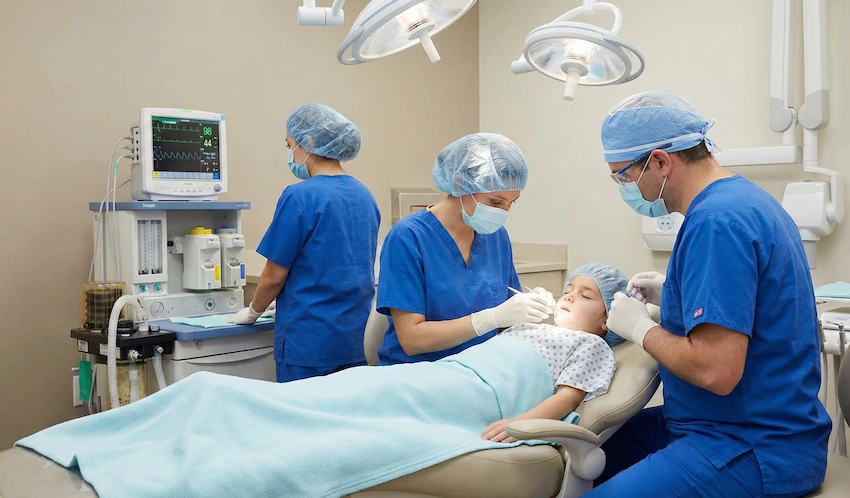
In the case of pediatric dental anesthesia, the procedure is accompanied by modern monitoring systems that keep track of the patient’s heart rate, oxygen saturation, blood pressure, respiratory rate, and end-tidal carbon dioxide level continuously. These values give the anesthesiologist team a chance to quickly identify changes in the patient’s physiology and manage them.
Before the administration of anesthesia, a thorough preoperative assessment is done for each child. The assessment includes a detailed medical history, allergy screening, physical examination, and risk classification according to pediatric anesthesia standards.
According to scientific works, children without health problems are very capable of withstanding general anesthesia if the practitioners follow the right protocols. Dentist Polen Akkılıç and her team actively choose dental treatment options that are medically justified rather than being based on what is comfortable or convenient. This well-thought-out method not only lessens the likelihood of complications but also ensures that dental care is complete and that the child is not subjected to stress, frustration, and fear due to frequent dental visits that are necessary because of the lack of treatment.
Types of Sedation and Anesthesia Used in Children
Several anesthesia and sedation techniques are used in pediatric dental care, and the kids’ age, behavior, and the treatment’s intricacy determine the most appropriate one. A minimal sedation method using nitrous oxide enables kids to be in a conscious state yet feel relaxed and calm. Such an option is perfect for short treatments and when a child is mildly anxious and cooperative.
Deep sedation or general anesthesia are better choices if the needs are vastly more complicated. Sevoflurane, propofol, midazolam, and fentanyl are mostly selected for their reliable effects and quick recovery time. These drugs are given to the kids carefully depending on their weight and health condition to maintain stable anesthesia and fast awakening with the attendance of Professor Doctor Coşkun Yıldız.
How Can I Prepare My Child for General Anesthesia?
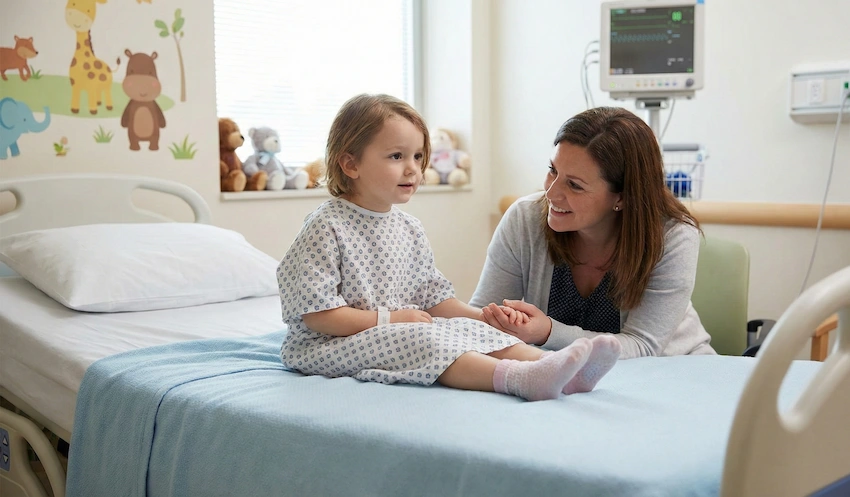
Prefacing the whole preparation process is, first of all, an in-depth consultation which involves the dentist, anesthesiologist, and the parents. The party members will review the medical history, aside from that, they will also look at the ongoing medicines and anesthesia that might have been used previously. Parents receive clear instructions regarding fasting which generally means no solid foods for six hours and no clear fluids for two hours before anesthesia thus drastically lowering the risk of aspiration.
The emotional readiness of kids is an aspect that needs to be equally emphasized. This is one kind of communication wherein the parents tell their children what will happen during the procedure in a very calm manner and using language that is suitable for the child’s age but without showing them any scary pictures. Children should wear comfortable clothes and be well-rested when going to the treatment. Such preparation not only carves a smooth way for anesthesia induction but, in fact, is also good for the overall treatment process.
What to Expect After General Anesthesia?
Once the dental procedure is over, children are moved to a recovery area where the staff keeps an eye on their vital signs until the kids are fully awake. Sleeping, feeling a bit dizzy, or getting a little sick may happen and these are considered normal. Usually, there is very little pain as dental treatment is done without trauma under anesthesia.
At home, parents are advised to promote rest, drinking water, and eating soft foods during the first hours. Parents receive clear written aftercare information, including the timing of medicines if analgesics like paracetamol are required. The majority of children are back to their routine within a day and there are no after-effects from anesthesia.
Medical Safety Measures Used in Pediatric Dental Anesthesia
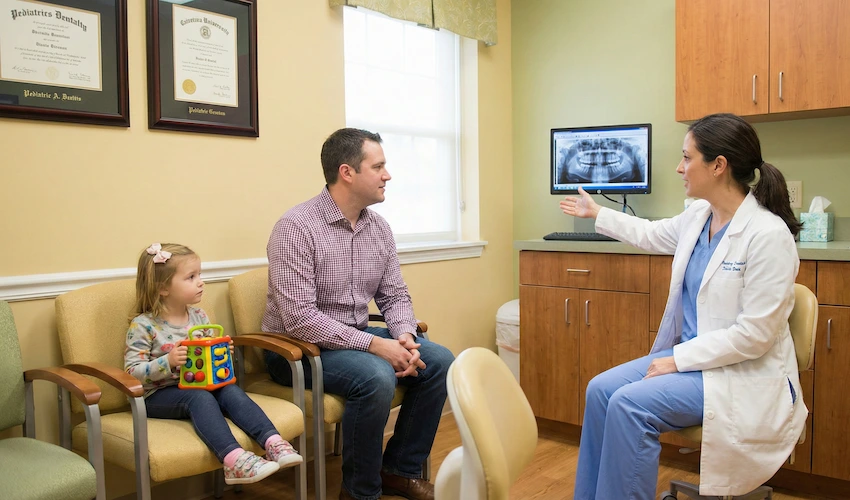
Clinical safety is achieved through the systematic combination of protocols and skilled personnel. Among the measures taken there are:
- Thorough pre-anesthetic medical assessment
- Medication dosing based on body weight
- Constant monitoring of vital signs
- Ensuring full focus on pediatric recovery supervision
- Providing thorough and unambiguous discharge and after-care instructions
These measures guarantee that anesthesia is safe for children besides being effective.
Common Medications Used in Pediatric Dental Anesthesia
| Medication Name | Purpose in Treatment | Safety Profile |
| Sevoflurane | Inhalation anesthesia induction | Rapid onset, fast recovery |
| Propofol | Maintenance of general anesthesia | Short-acting, well-tolerated |
| Midazolam | Anxiety reduction and sedation | Predictable, pediatric-safe |
| Fentanyl | Pain control during the procedure | Controlled dosing, effective |
This medication selection reflects international pediatric anesthesia standards and is adjusted individually for each patient.
Frequently Asked Questions About Dental Treatment Under General Anesthesia for Children
Yes, of course. It is mostly safe as per the general anesthesia guidelines/policies for children if administered by professionally trained personnel.
Anyway, a doctor with knowledge and skill in anesthesiology, for instance, Prof. Dr. Coşkun Yıldız working in tandem with a skilled pediatric dental team who put children to sleep safely – that would be the best and least risky option.
As per present-day clinical studies, it is suggested that if anesthesiologists strictly adhere to the protocols, then no healthy child is expected to get any lasting developmental defects even if anesthesia is administered to them.
The vast majority of children wake up completely just in a few hours and on the next day, they’re all set to go on with their normal daily activities.
General anesthesia enables the complete treatment to be done on a single visit to the clinic, thus the child’s fear, discomfort, and emotional trauma due to reappearance are all lowered to minimum levels.
- American Academy of Pediatric Dentistry. (2023). Guideline on behavior guidance for the pediatric dental patient. Pediatric Dentistry, 45(6), 292–310.
- Davidson, A. J., & Sun, L. S. (2018). Clinical evidence for any effect of anesthesia on the developing brain. Anesthesiology, 128(4), 840–853.
- Cote, C. J., Wilson, S., & American Academy of Pediatrics. (2019). Guidelines for monitoring and management of pediatric patients during and after sedation for diagnostic and therapeutic procedures. Pediatrics, 143(6), e20191000.

