Removing your wisdom teeth is indeed a very common dental procedure, but like any surgery, it does not come without some risks and complications. Among the most frequently experienced consequences and complications of wisdom teeth removal is infection after the surgery. However, when one understands the signs of infection after wisdom teeth removal, as well as its causes and the right measures to take, one is more likely to experience proper healing and restoration of good health and also avoid any long-term complications.
🚨 What Causes Infection After Wisdom Teeth Removal?
Infections occur when bacteria find their way into the surgical site while it is being performed or some time after extraction. The following are the common reasons for bacteria getting into the incision site in such a condition:
- Poor oral hygiene after surgery: This leads to the accumulation of bacteria in the mouth’s environment that can get into the socket when the area is not kept clean enough.
- Food particles stuck in the socket: When a piece of food gets stuck in the tooth socket, it may create a breeding ground for bacteria, leading to an infection.
- Smoking or using straws, which can dislodge the blood clot: These habits create a sucking action around the extraction site and can dislodge a blood clot from the area that is needed for proper healing of the tooth socket.
- Touching the area with fingers or tongue: Bringing foreign substances like bacteria into the incision site can cause an infection after wisdom teeth removal.
- Dry socket turning into an infected site: A dry socket happens when the blood clot at the incision site is either dislodged or is never formed. Lack of clot makes the area sensitive to infection.
- Compromised immune system or preexisting health conditions: If you have a weak immune system (e.g., HIV and diabetes) or certain conditions like cancer or are on immunosuppressive therapy, you may be at increased risk of an infection.
The moist and dark environment of the healing gums creates an inviting space for bacteria if proper hygienic condition is not maintained. Failure to adhere to aftercare instructions can expose the wounds to bacteria and complicate healing.
🧠 Symptoms of Infection After Wisdom Teeth Removal
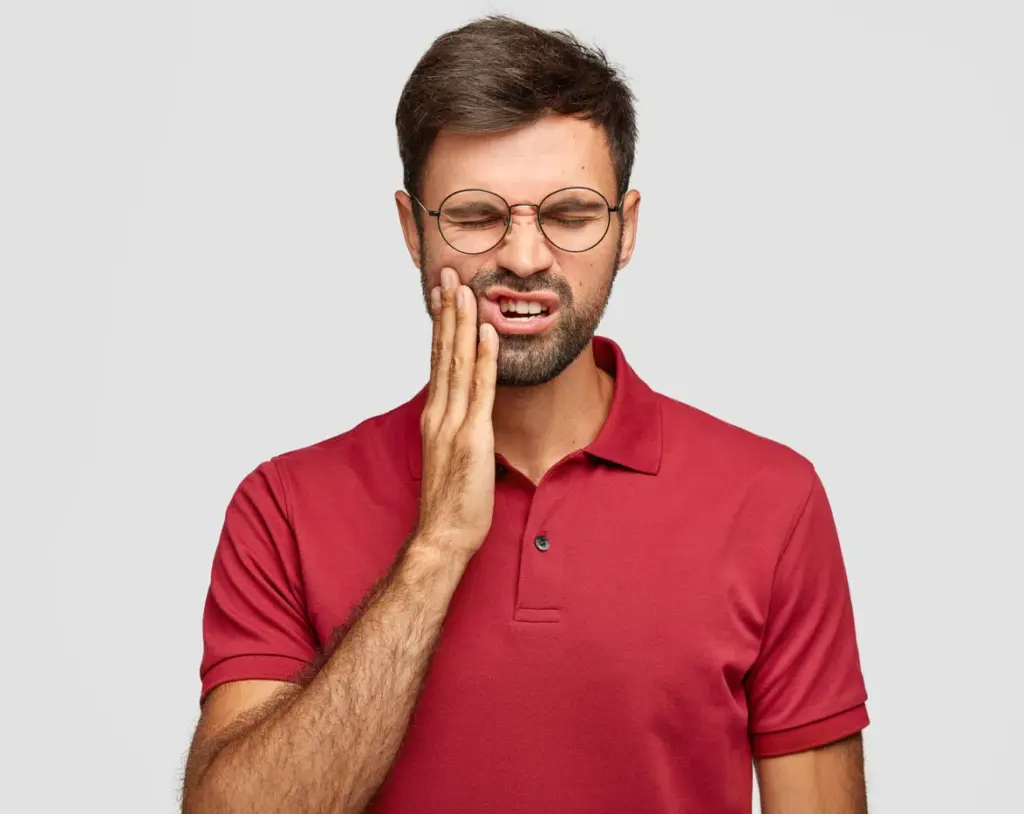
In most cases, it is normal for the gums to be a bit sensitive and sore after surgery but it is best to be careful about watching out for these abnormal signs of infection that may accompany a wisdom teeth removal. If you have just undergone the procedure, be on the lookout for these signs of infection:
- If you are still unable to get out of bed with unbearable pain after 3 – 5 days, please take anticipatory action, as there must be a complication that needs to be solved.
- If you notice that your mouth smells like something rotting or you have an unpleasant taste in your mouth, your gum might be infected.
- If the swelling gets severe and does not go away, make sure to inform your dentist that this could be a problem and ask him or her for anything that needs to be done.
- Should you observe anything yellowish around the extraction site, such as mayonnaise or another fluid, please see your dentist so that you can be examined.
- If you observe a strange or painful stiffness in the opening of the mouth where normal movements are impossible and you are not able to talk, it may be trismus, meaning it lasts for more than 3 days. You may need care because something could be wrong with you.
- If while inside your body if the temperature is greater than 100.4 degrees Fahrenheit (38 degrees Celsius) or below, in addition to the chills, it may be good to go to the dentist and have yourself checked and examined.
- If the redness increases on your face and below your jaw, and this symptom is accompanied by pain, then it might be a problem that is going up higher. Consult the dentist about the possibility of infection to avoid something bad.
If you need to go through any of these symptoms, it is highly recommended that you contact your dentist or oral surgeon as soon as possible, since the earlier the problem is detected, the greater the chances are that the treatment will be successful.
🦷 How to Prevent Infection After Wisdom Teeth Removal
First off, prevention is the best way to get rid of trouble. To lower your risk of infection after wisdom teeth removal, you should definitely follow these tips:
- ✅ Follow post-op instructions from your dentist carefully.
- ✅ Do not do any of these activities: spitting, smoking, and using straws for at least 48 hours.
- ✅ Rinse gently with warm salt water starting a day after the surgery.
- ✅ Brush your teeth gently with special care not to touch the extraction site.
- ✅ If you are given antibiotics, take them exactly as directed by your doctor.
- ✅ Eat soft foods that will not get stuck in the socket.
- ✅ When lying down, keep your head elevated to reduce the swelling.
Obviously, the risk can be minimized a lot by taking proper precautions in the first few days after the operation.
💊 Treatment Options for Infection After Wisdom Teeth Removal
First of all, if you believe an infection after wisdom teeth removal has occurred, here is how it is treated in the majority of cases:
- The dentist will check the wound for indications of an infection or a dry socket.
- Most probably, a course of antibiotics will be prescribed to you so that the infection is completely eradicated.
- The situation, however, is that the dentist may perform a thorough cleaning of the area and also a procedure to extract any pus if present.
- Besides that, the doctor may suggest the intake of painkillers or drugs for inflammation if the pain is severe.
- In the case of a very bad infection, it may be necessary to do surgery again or take pictures of the place to make sure that it is healed sufficiently.
If handled without delay, the patient usually recovers completely and does not suffer from any complications in the long run.
🛬 Are You Traveling to Turkey for Wisdom Teeth Removal?
Lema Dental Clinic in Istanbul offers great, cheap, and high-quality services with an English-speaking staff and thoroughly trained oral surgeons. So if you are a patient who is looking forward to the wisdom teeth removal overseas, then your first step must be to:
- Keep a day off after your flight to rest and recover
- Have a virtual consultation with your surgeon for follow-up
- Receive clear post-op instructions in your language
- Pick a clinic that is convenient for you, with the option of aftercare and emergency contact
✈️ Why Lema Dental Clinic Is a Speaker’s Choice
Situated right in the middle of Istanbul, Lema Dental Clinic provides:
- 🦷 The most qualified oral surgeons
- 💉 The best care in terms of sedation and pain management
- 🌐 Staff speaking your language
- 🔍 The most detailed care after the treatment and support
Whether you are a local or a health tourist, you will find the professionalism and the care you need to heal safely and beautifully at Lema Dental Clinic.
❓ FAQ: Infection After Wisdom Teeth Removal
It’s relatively uncommon if post-op instructions are followed, but it can occur in up to 5–10% of cases.
Yes, some infections may cause swelling, bad taste, or fever without intense pain.
Infections typically show up 3–5 days after surgery, but can occur up to 2 weeks later.
Avoid smoking, straws, hard food, and touching the surgical site.
If you have a high fever, spreading swelling, or difficulty breathing, seek emergency care immediately.