


Clean denture adhesive from gums with warm water, gentle rinsing, and a soft brush.
Do you wear traditional dentures? Then you are aware of the nightly unpleasantness. First, you remove your teeth. Then you find a sticky paste adhering to your gums. It is a real struggle to scrub it off. Leaving it there makes you feel unclean.
Actually, it shouldn’t hurt when removing denture adhesive. We’ve been seeing quite a few patients with this issue at Lema Dental Clinic, as their talks disclose. Many people go so far as to scrape their gums, which gets quite painful. The truth is, harsh brushing is the main culprit behind damage to soft oral tissues.
Besides, think of your gums as a very delicate kind of silk fabric. So, if you use a hard toothbrush to get the paste off, it’s like using a wire brush on silk. The result would be little tears and swelling, along with sharp pain.
Here is the detailed step-by-step guide to cleaning your mouth without any risks or harm.
3 Easy Steps to Remove Denture Glue
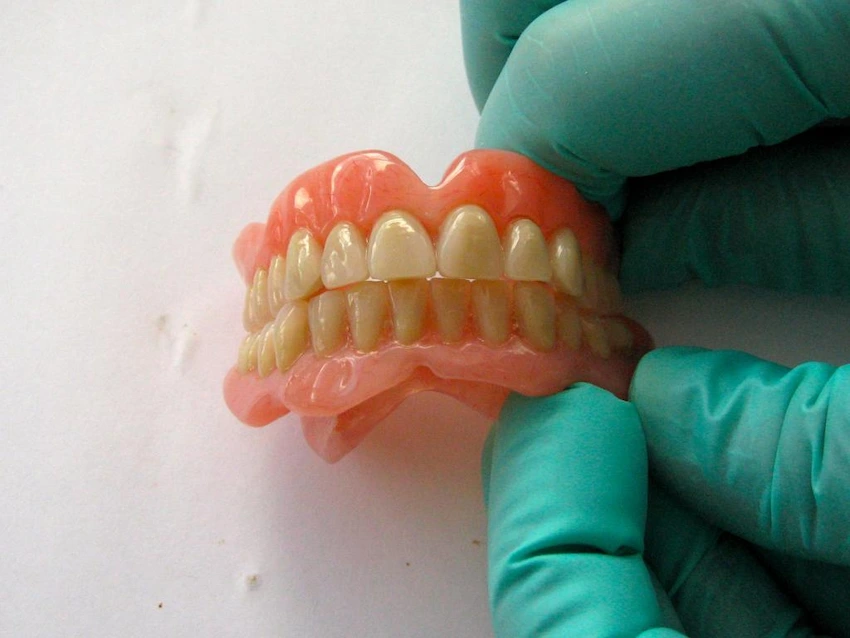
Denture pastes leverage the presence of water to manufacture a very strong adhesive. To undo that adherence, we have to be clever rather than brutal.
Step 1: Rinse with Warm Water
Your first step is to swish some warm water around your oral cavity. Hot water is not recommended. Swish actively for 60 seconds. It is this warm water that will make the glue easier to remove. The rapid movement will cause the glue to break apart. If you want, you can do it twice.
Step 2: Use a Soft Brush
Right after softening of the paste, it’s time to stop! Do not take the risk of using your regular toothbrush.
Generally, the best choice for a baby toothbrush is one that has two or three bristles per tuft. When washing, use only a tablespoon of warm water for wiping. Absolutely do not use toothpaste. Toothpaste contains abrasives, which are not only harsh but also undesirable for the exposed gums. Very gently wipe your baby’s gums with small circular
motions. In this manner, the paste gets removed without the scratches.
Step 3: Try Oil Pulling
On the contrary, let us consider the example of stubborn pastes. Zinc-based cements are hard. Maybe water isn’t able to loosen them from the gums. As a result, you should eat a spoonful of olive oil or coconut oil instead. Just one minute of mouthwash with the oil will suffice. Types of fats occurring naturally will readily dissolve the adhesive. Do not spit oil into the sink, but into the trash can . Clean the gums with a warm wet cloth.
Why Do You Need So Much Glue?
Do you need more and more glue just to be able to eat your dinner? Then, the problem is that we are only superficially treating it.
Professor Doctor Coşkun Yıldız claims that a properly fitted denture hardly ever needs any glue. Your jawbone diminishes whenever you lose your teeth. You can compare your jawbone to a house foundation. The roots of teeth are the structural pillars. If the pillars are not there, the foundation sinks gradually.
Therefore, your dentures become looser as your bones shrink. You keep on adding more thick paste to fill the gap.
But what’s your plan? Are you going to keep using temporary glue to conceal a shrinking jawbone?
Temporary Glue vs. Permanent Teeth
Patients who transition from daily denture glue to fixed implants report that their lifestyles have been completely transformed.
| Type of Treatment | Cleaning Regimen | Tooth Stability | Can it Stop Bone Loss? |
| Normal Dentures | Hard (Scrape glue daily) | Low (Moves around) | No (Bone shrinks) |
| All-on-4 Implants | Easy (Normal brushing) | Very High (Fixed tight) | Yes |
| Zygomatic Implants | Easy (Normal brushing) | Maximum (Anchored deep) | Yes |
The Glue-Free Future at Lema Dental Clinic
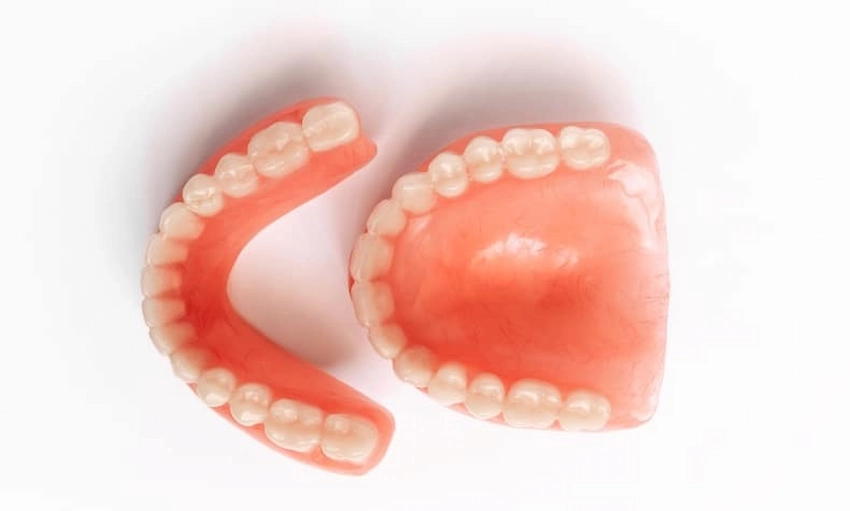
This messy and sticky dental glue does not have to be a permanent part of your life. Dentist Polen Akkılıç and her team at Lema Dental Clinic in Turkey provide state-of-the-art treatment. We are experts in All-on-4, All-on-6, and complex Zygomatic implant systems.
Rather than allowing a large plastic piece covering the roof of your mouth, we’ll design a stunning Zirconium bridge that will be fixed straight to your bone. You won’t have to worry about new teeth falling out, as they’ll stay with you permanently. However, you won’t have to worry about any glue either, as you won’t have to scrape it off your gums at night. It’s a big plus!
Frequently Asked Questions
Why is denture glue so hard to clean?
Glue is a bit like wet cement. So bonds quite strongly to the micro-crevices in your soft gums. Unlike hard brushing, melting glue with warm water and oil is much more effective.
Can I use toothpaste to clean my bare gums?
No. The rough particles that are in toothpaste are really meant for teeth, not gums. They will most likely cause scratching and pain. Warm water only will do.
Is swallowing dental glue safe?
A very small amount is okay. However, zinc is among the main ingredients of many commercial pastes. Intake of zinc daily by swallowing for years might result in nerve damage. This is actually the major factor that we recommend permanent fixed implants.
Why did my dentures stop fitting well?
Your dentures have kept the very same size, but your gums have shrunk. Over time, jawbones without tooth roots become smaller.
Can I get implants if my bone is very thin?
Certainly! For cases of serious bone loss, we resort to Zygomatic implants. They are anchored to the cheekbone, while the weak jaw is ignored. These advanced surgeries that we conduct in Turkey are performed daily.
Academic References
- Felton, D., Cooper, L., Duqum, I., Minsley, G., Guckes, A., Hage, S., … & American College of Prosthodontists. (2011). Evidence-based guidelines for the care and maintenance of complete dentures: a publication of the American College of Prosthodontists. Journal of Prosthodontics, 20(s1), S1-S12.
- Coates, A. J. (2000). Usage of denture adhesives. Journal of Dentistry, 28(2), 137-140.
- Kulkarni, R. S., Halle, M. L., & Kulkarni, S. R. (2014). Denture adhesives in prosthodontics: An overview. Journal of International Oral Health, 6(1), 118-119.
- Bartlett, D. W., & Carter, N. E. (2013). The impact of denture adhesives on the quality of life of complete denture wearers. Gerodontology, 30(2), 127-133.
- Slaughter, A., & Flaitz, C. (1999). Zinc toxicity associated with chronic over-usage of denture adhesives: A clinical review. Special Care in Dentistry, 19(4), 163-167.

