Brushing assists in preventing tooth decay. You need to start cleaning your little one’s gums. This should happen before any teeth have come through. Use a clean, moist cloth or gauze. Clean your child’s teeth. When observing the first tooth, begin brushing. Use a small, soft toothbrush and a tiny smear of fluoride toothpaste.
Lema Dental Clinic is a trusted place for your child to begin their journey towards a Hollywood Smile. Here at Lema Dental Clinic, we provide high-quality dental care to make sure that your child has the beautiful smile they desire.
When to Start Brushing Your Baby’s Teeth
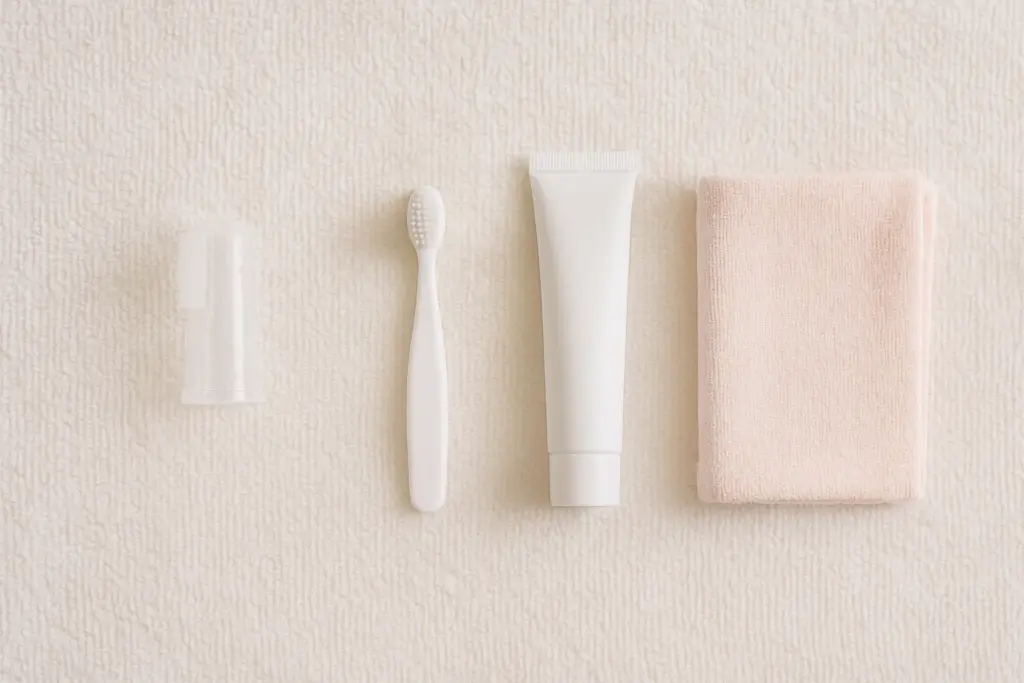
As soon as the first tooth appears in your baby’s mouth, brushing should start. Milk, along with juices, may remain in the mouth after bottle feeding. This can lead to the decay of the baby’s teeth. Therefore, cleaning the gums prevents the decay of the baby’s teeth. Cleaning that takes place when the back teeth begin appearing is very important.
Also, at bedtime, don’t allow the baby to sleep with a bottle. The mouth should be cleaned after the baby is fed. It will help to ensure there is no plaque build-up and also prepare the baby’s teeth for brushing.
Start to brush the baby’s teeth as soon as they appear. You will begin having good oral hygiene when you start brushing early. By practicing good dental care habits, your younger ones will have healthy teeth as adults.
Choosing the Right Toothbrush and Toothpaste for Babies
To brush your baby’s tiny teeth, you need special tools. Adult and older kids’ brushes are too big. Get a very soft, small, gentle brush for babies.
Choose one with soft bristles and a round head. Silicone finger brushes are good for younger babies. As they grow, use a regular baby brush with a chunky handle that’s easy to hold.
For toothpaste, use fluoride-free or training toothpaste until they’re 2. Just a pea-sized smear is enough. The aim is to clean teeth gently without too much fluoride.
Pick the right brush and paste. Make brushing easy, so your child isn’t scared. They will like teeth cleaning for a long time.
How to Properly Brush a Toddler’s Teeth Without Fuss
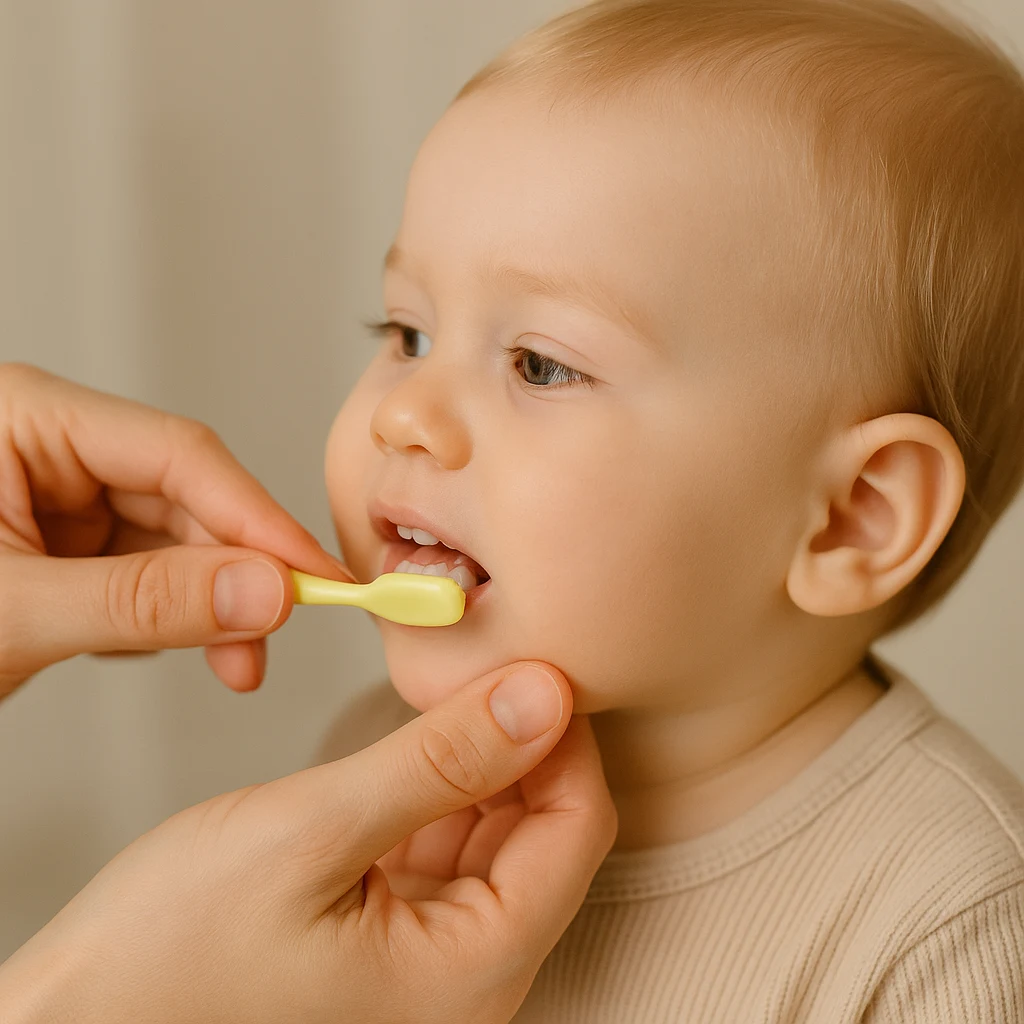
Toddlers love to move and explore. They often don’t want to stop for brushing time. So brushing teeth at this age needs a lot of fun and patience. Use these clever tips to make it easy and nice for them.
Sit your child on your lap. Their head should rest on your chest. This lets you see their mouth well. It makes them feel safe. You can also lie them on a mat. Support their head in that case.
Use tiny circles on every tooth and along the gums. Get front, back, and chewing sides. Babies with just a few teeth will take less than a minute. Brush for two minutes twice a day as more teeth come in — one in the morning and one at bedtime.
If the baby shuts their mouth tight or turns away, don’t worry. Try a song or let them hold a brush themselves. You can also brush while they watch. You need to keep this same routine going. A few seconds of brushing is better than none at all. They will get used to it over time.
Ways to Make Tooth Brushing Fun
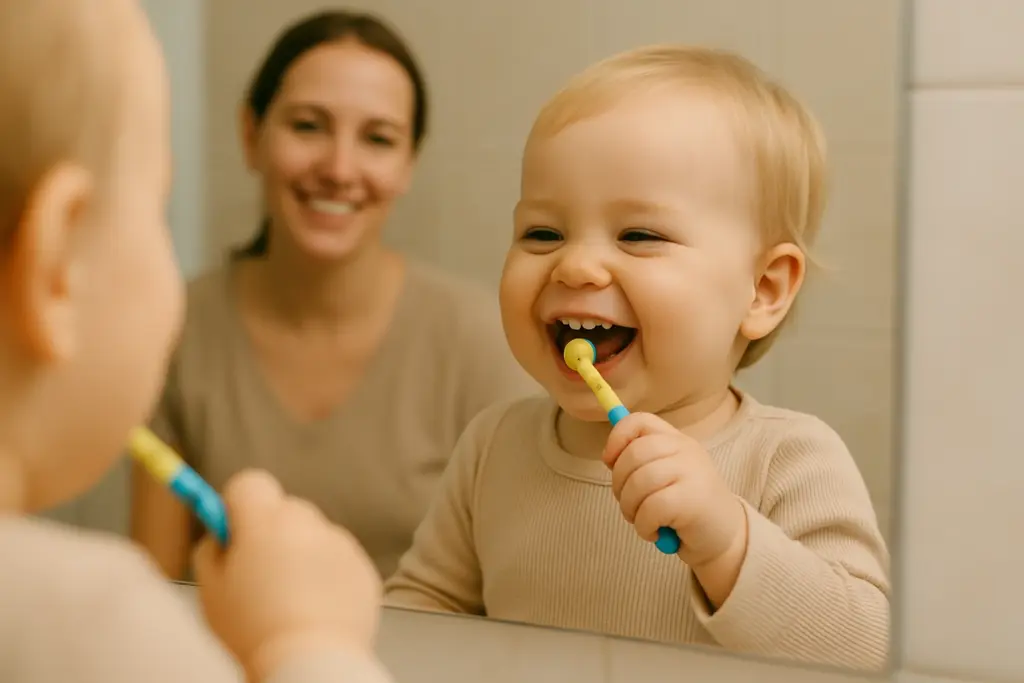
Brushing teeth is not always easy for babies and toddlers. But it can be fun! Make it a positive experience, which helps out a lot!
First, let them pick the toothbrush color or character they like best. Pretty designs can catch their eye too. Also, there are musical brushes that play songs during two minutes of brushing time, so it feels like playing music together!
Make up a fun song that you can sing together with your child when it is time to brush their teeth. This can help your child know that you are going to brush your teeth soon. Some parents even try to have fun together when brushing their teeth, like looking in the mirror and making silly faces, or showing off their teeth after brushing.
Let your toddler brush a toy’s teeth or brush yours. This will make him feel like he has control. Giving him power in this way makes him trust and agree to an activity like tooth brushing.
Think positively about brushing teeth, no matter how bad it becomes sometimes. When you fail to do so, take a break, then try some other time. But try every time anyway because just missing a few times does not mean having decay afterward, whereas developing good habits now goes far later.
Advice from Dentists for Babies
Pediatric dentists recommend a visit for any baby within their first year or before their first tooth comes out. This is just to detect any tooth problems from the very beginning and teach good ways of cleaning one’s teeth.
Some parents do not know about fruit juices causing cavities and dipping pacifiers in sweet water, leading to tooth decay.
Check your child for tongue-tie, alignment problems, or other conditions affecting speech, and feeding. Takeaway that early raises concerns to avoid further issues.
Even small ones need a cleaning. It removes plaque from hidden areas. Regular care is important. The earlier children come to the doctor, the less anxious they feel about appointments.
FAQ: How to Brush the Teeth of Children Under 2 Years Old
You should start brushing as soon as the first tooth comes in—usually around 6 months old. Before that, you can clean the gums with a damp cloth.
Yes, but only a tiny smear of fluoride-free toothpaste is recommended. Use a rice-sized amount and avoid strong flavors.
Try singing, giving them a toy, or brushing together in front of a mirror. Turning brushing into a game helps reduce stress.
Use a soft-bristled infant toothbrush with a small head or a silicone finger brush. Make sure it’s comfortable for both you and the baby.
Yes, it’s normal at this age. That’s why it’s important to use fluoride-free toothpaste in small amounts.